
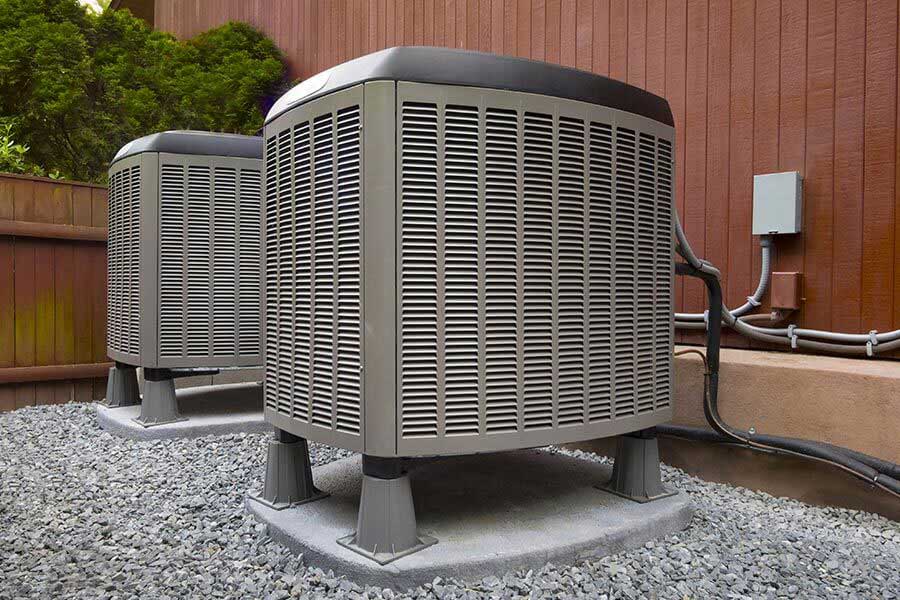
The AC compressor pressurizes refrigerant so it can absorb and release heat, and it is the most expensive component in a residential air conditioning system. When a compressor fails in a Warrendale home, an accurate diagnosis determines whether repair or full system replacement is the more practical and cost effective path forward.
The compressor is the heart of your air conditioning system. It pressurizes the refrigerant that flows through the system, making the heat exchange process that produces cool air possible. When the compressor begins to fail or stops working entirely, the rest of the system cannot function regardless of how well every other component is performing. For Warrendale homeowners facing a compressor repair issue, understanding what the process involves, what the diagnostic findings typically mean, and what the realistic outcomes look like helps make a difficult situation considerably easier to navigate.
In our service calls throughout Warrendale and the communities along the I-79 corridor, compressor related calls are among the more serious HVAC situations we respond to. The combination of hot, humid western Pennsylvania summers and systems running at or near capacity for extended periods puts real stress on compressor components. When a compressor shows signs of trouble, getting a qualified technician involved quickly is the most important step a homeowner can take.
What Does the AC Compressor Actually Do?
Before walking through what compressor repair involves, it helps to understand the role the compressor plays in the system. The compressor sits inside the outdoor condenser unit and is responsible for compressing low pressure refrigerant vapor into high pressure, high temperature vapor that then moves through the condenser coil. As that vapor releases heat to the outdoor air and condenses into a liquid, it cycles back indoors to the evaporator coil, where it absorbs heat from the indoor air and produces the cooling effect you feel inside the home.
Without a functioning compressor, refrigerant does not move through the system, and no cooling takes place. The compressor runs on high voltage electricity, operates under significant mechanical and thermal stress every time the system cycles, and is by far the most expensive individual component in a residential air conditioning system. All of this is why a compressor problem is treated as a significant finding rather than a routine repair.
What Are the Common Signs of a Failing AC Compressor?
Recognizing the symptoms of a failing compressor allows homeowners to get a professional involved before the situation reaches complete failure. Based on what we see in homes across Warrendale and the surrounding North Hills communities, the following signs are the most common indicators of compressor trouble.
The system runs but produces little or no cooling. If the air conditioner is running and the outdoor unit appears to be operating, but the air coming from the supply registers is warm or only slightly cooler than room temperature, the compressor may not be functioning properly. This symptom can also indicate a refrigerant leak, which is closely related to compressor health and frequently assessed at the same time.
The outdoor unit hums but does not start. A compressor struggling to start will often produce a humming sound as it attempts to reach operating speed but fails to do so. This condition, sometimes called hard starting, places significant electrical and mechanical stress on the compressor with each attempt and can accelerate the timeline to complete failure if left unaddressed.
Loud noises from the outdoor unit. Banging, clanking, rattling, or grinding sounds coming from the outdoor condenser cabinet during operation can indicate that internal compressor components have become damaged or displaced. These sounds warrant immediate attention, and in some cases the system should be shut off to prevent further damage while awaiting a diagnostic visit.
Tripped circuit breakers. A compressor drawing excessive current due to electrical winding damage or mechanical failure will trip the circuit breaker that protects it. A breaker that repeatedly trips when the air conditioner attempts to run is a strong indicator that something is wrong with the compressor or another high draw component in the outdoor unit.
Visible oil staining near the outdoor unit. Compressor oil that escapes the sealed refrigerant circuit leaves visible oily residue on refrigerant lines or on the surface of the condenser unit. This is typically associated with a refrigerant leak and indicates a breach in the sealed system that requires professional evaluation.
The Diagnostic Process
When a technician arrives to evaluate a suspected compressor problem, the diagnostic process involves a series of tests that assess both the electrical and mechanical condition of the component. This step matters because compressor symptoms can overlap with other system failures, and a thorough diagnosis ensures the correct problem is identified before any repair decisions are made.
Electrical testing measures the resistance across the compressor motor windings using a multimeter. Readings that fall outside the manufacturer’s specified range indicate winding damage, typically a sign that the compressor itself has failed internally rather than having an external cause that can be corrected.
Capacitor testing is performed at the same time, since a failed run or start capacitor can mimic compressor failure symptoms, particularly the hard starting behavior described above. A capacitor is a far less expensive component to replace than a compressor, and confirming its condition first rules out a simpler and more affordable resolution. Our team handles AC capacitor replacement as a routine service and checks capacitor condition as a standard part of any compressor diagnostic.
Refrigerant pressure testing measures the high side and low side pressures in the refrigerant circuit, which shows whether the system is properly charged and whether the compressor is generating the pressure differential it should be. Abnormal pressure readings can point to compressor failure, refrigerant loss, or both.
Amp draw testing measures the electrical current the compressor is actually drawing during operation and compares it to the rated load on the nameplate. A compressor drawing significantly more current than rated is working harder than it should, which indicates mechanical resistance or electrical deterioration inside the component.
The Repair vs. Replacement Decision
Once a thorough diagnosis confirms that the compressor itself has failed, the homeowner faces a decision involving several factors: whether to repair or replace the compressor, or whether the age and overall condition of the system make full AC installation and replacement the more practical and economical path forward.
Compressor replacement involves sourcing a compatible compressor, recovering and properly disposing of the existing refrigerant charge, replacing the compressor, recharging the system with the correct refrigerant type and quantity, and verifying system performance after the repair. It is a labor intensive process, and the compressor itself is a costly component. When a compressor is replaced under an active manufacturer’s warranty, the parts cost is covered, which changes the economics of the decision significantly.
Full system replacement is often the more sensible recommendation when the system is older than 10 to 12 years, when the refrigerant type is R-22, which is no longer manufactured and has become expensive to source, when other major components are also showing signs of wear, or when the cost of compressor replacement approaches or exceeds 50 percent of the cost of a new system. A new system also comes with a fresh manufacturer’s warranty and the efficiency improvements that have come with advances in equipment technology over the past decade.
A qualified technician can walk through the specific diagnostic findings, the age and service history of the system, the warranty status of the compressor, and the cost comparison between repair and replacement clearly enough that the homeowner can make an informed decision rather than one driven by the pressure of being without cooling during a hot Warrendale summer.
What Does AC Compressor Repair Involve?
For homeowners whose diagnostic findings and system age make compressor repair the right choice, understanding what the process involves sets appropriate expectations for the timeline and scope of the work.
The technician begins by recovering all refrigerant from the system using certified equipment, required by EPA regulations before any component in the sealed refrigerant circuit is opened. The failed compressor is then disconnected from the electrical supply and the refrigerant lines and removed from the condenser cabinet.
Before the new compressor is installed, a technician inspects the condenser coil, the contactor, the capacitor, and the refrigerant lines for any signs of damage or contamination the compressor failure may have caused. Compressor failures involving internal mechanical damage can release metal particles and compressor oil into the refrigerant circuit, and if those contaminants aren’t addressed before the new compressor goes in, they can damage the replacement unit. A filter drier is typically installed in the refrigerant circuit to capture any remaining contaminants after the compressor swap.
Once the new compressor is in place and the refrigerant circuit is sealed, the technician evacuates the system to the required vacuum level to remove air and moisture before recharging with the correct refrigerant type and quantity. The system is then started and tested across its operating range to confirm that pressures, temperatures, and electrical readings are all within specification.
How Do You Protect Your Investment After a Compressor Repair?
A compressor replacement is a significant investment, and a few habits in the months and years following the repair go a long way toward protecting it.
Annual professional maintenance is the most important of these. A professional AC tune-up gives a technician the opportunity to verify refrigerant charge, test capacitors and contactors, clean the condenser coil, and confirm the system is operating within the parameters that support compressor longevity. Compressors that run on an undercharged refrigerant circuit or that operate with a failing capacitor experience accelerated wear, and catching those conditions annually is far less expensive than addressing the consequences.
Keeping the area around the outdoor condenser unit clear of vegetation, debris, and obstructions ensures adequate airflow across the condenser coil. A condenser working against restricted airflow forces the compressor to operate at higher discharge pressures, which increases wear and energy consumption simultaneously.
Addressing any refrigerant leaks promptly, rather than recharging the system without finding and repairing the source, protects the compressor from the damage that results from running on an insufficient refrigerant charge. A properly sealed refrigerant circuit is one of the most important conditions for long compressor life.

Getting the Right Answer for Your Warrendale Home
A compressor problem is one of the more stressful HVAC situations a homeowner can face, particularly when it surfaces during the warmest stretch of a western Pennsylvania summer. The most important thing to understand is that the right outcome depends entirely on the accuracy of the diagnosis and the honesty of the options presented. A thorough evaluation that identifies the specific failure, accounts for the age and condition of the full system, and presents a clear comparison of repair and replacement costs gives homeowners the information they need to make a confident decision.
Spurk AC, Furnace & Boiler Repair has been diagnosing and repairing air conditioning systems in Warrendale and across the North Hills for over 20 years. Our licensed technicians approach every compressor call with a complete diagnostic process and a straightforward conversation about what the findings mean and what your options are. Contact our team today to schedule a diagnostic visit, and we’ll get a technician to your home promptly.
Frequently Asked Questions
How do I know if my AC compressor is failing?
Common signs include the system running without producing cooling, a humming outdoor unit that won’t start, loud banging or grinding noises, a circuit breaker that repeatedly trips, or oil staining near the outdoor unit. Any of these warrants a professional diagnostic visit.
Can a bad capacitor be mistaken for a failing compressor?
Yes, a failed run or start capacitor can produce symptoms similar to compressor failure, especially hard starting behavior. Capacitor testing is a standard part of any compressor diagnostic since it’s a much less expensive fix if that turns out to be the actual cause.
Is it worth repairing an AC compressor or should I replace the whole system?
It depends on the system’s age, warranty status, and overall condition. Replacement is often the more practical choice for systems over 10 to 12 years old, systems using R-22 refrigerant, or when compressor repair costs approach half the price of a new system.
How much does AC compressor repair cost?
Cost depends on whether the compressor is still under manufacturer warranty, the type of refrigerant involved, and the extent of any contamination in the refrigerant circuit. A technician can provide an accurate estimate after completing a full diagnostic.
How can I help my compressor last longer?
Scheduling annual professional maintenance, keeping the outdoor unit clear of debris and vegetation, and addressing refrigerant leaks promptly are the most effective ways to protect compressor longevity. Each of these prevents the kind of added strain that accelerates compressor wear.