


Furnace Maintenance in Warrendale, PA
- Last Updated: September 28, 2026
- Workmanship Guarantee
- Fully Licensed & Insured
- Professional Service
- Workmanship Guarantee
- Fully Licensed & Insured
- Professional Service
Your furnace works harder in Southwestern Pennsylvania than it would in almost any warmer place. The heating season stretches from October into April, and between the damp cold, the freeze-and-thaw cycles, and the nights that drop into the single digits, the system barely gets a break for half the year.
All those run hours build up dust on the blower, wear down the ignitor, and pull combustion settings out of range. A yearly tune-up catches that while it is still a small fix, rather than a no-heat call in January. Spurk AC, Furnace & Boiler Repair has been handling furnace maintenance in Warrendale, PA since 2018, and we do not rush the visit.
We service gas, electric, and high-efficiency condensing furnaces for both homes and commercial buildings, and our 100% guarantee backs every visit.
Our Services
- Boiler Installation
- Boiler Maintenance
- Boiler Repair
- Furnace Installation & Replacement
- Furnace Maintenance
- Furnace Repair
- Freon Recharge
- Geothermal Heat Pump Installation & Repair
- Heat Pump Installation & Replacement
- Heat Pump Maintenance
- Heat Pump Repair
- HVAC Duct Work Repair
- HVAC Ductwork Installation
- Oil Furnace Repair & Maintenance
Contact Us
What Your Neighbors Are Saying About Us
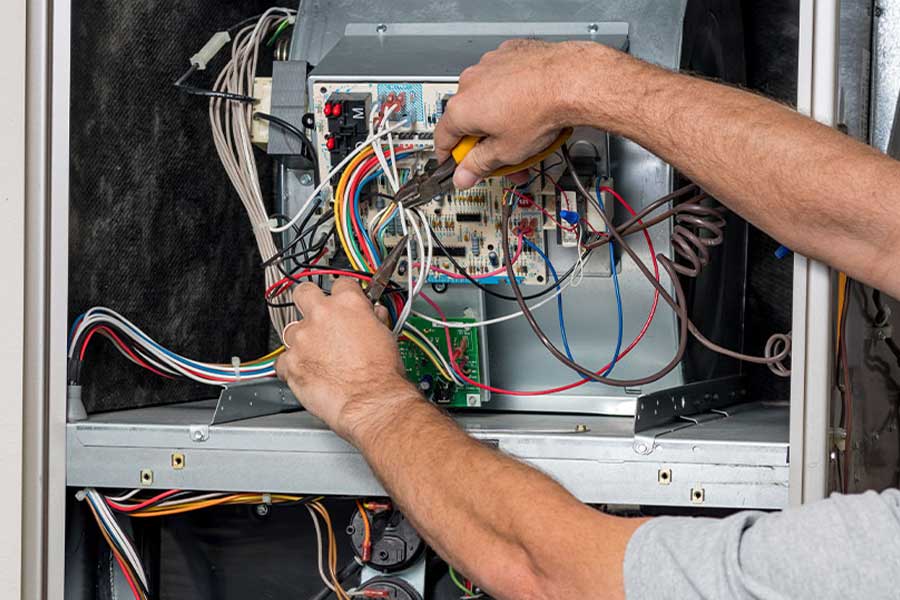
Benefits of Scheduling Annual Furnace Maintenance
Fewer breakdowns is the big one. Most of the no-heat calls we take in the dead of winter trace back to something a fall tune-up would have caught, like a cracked ignitor, a clogged condensate line, or a dirty flame sensor. Fixing it in October costs a fraction of what it costs at eleven at night when the house is dropping below 60.
Efficiency is the second payoff. A furnace with a dirty burner, a clogged filter, or combustion that has drifted out of spec burns more fuel to produce the same heat. Get it cleaned and dialed in, and the difference shows up on your gas bill, which matters more here than it would in a place with a two-month winter.
Maintenance also stretches the life of the equipment. Furnaces that are serviced every year commonly last 18 to 20 years, while neglected ones often fail around year 12. Our basements stay damp much of the year, and that moisture constantly attacks metal, so annual service catches rust and corrosion before it reaches the parts that cost real money.
Then there is safety. We check the heat exchanger, venting, draft, and carbon monoxide levels on every visit, because a crack or a blocked flue is not something you want to discover on your own. Most manufacturers also require documented annual service to keep the warranty in force, so skipping it can cost you twice.
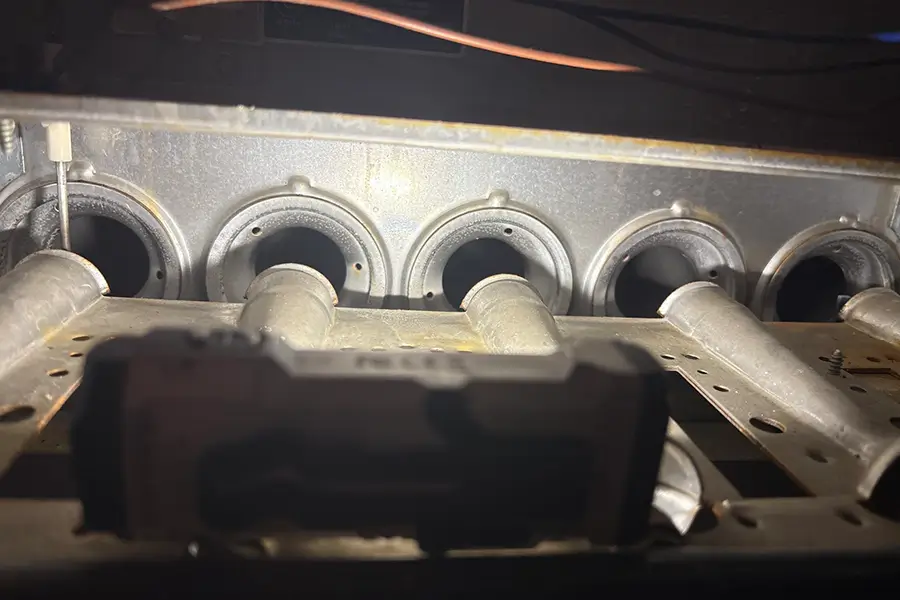
Our Furnace Tune-Up Checklist
We start by running the system before touching anything. Watching how it fires, how long it runs, how the blower responds, and what the temperature rise looks like tells us where the actual problems are, rather than guessing.
Then we clean. That means the burners, the flame sensor, the ignitor area, the blower wheel and housing, and the condensate line and trap on high-efficiency units. A dirty flame sensor is one of the most common reasons a furnace short-cycles or locks out around here, and it takes minutes to clean.
From there, we move through the mechanical and safety checks. We inspect the heat exchanger for cracks, test gas pressure and combustion, check the draft and inspect the flue and venting, test all safety controls and limit switches, check electrical connections and amp draw on the blower motor, and verify the thermostat is calling and responding correctly. We measure the temperature rise across the unit to confirm the airflow is where it should be, and we check or replace the filter.
We finish by walking you through what we found. If a part is wearing out but still working, we let you know and provide a realistic timeline rather than pushing an immediate repair. You get the information, and the decision stays yours.
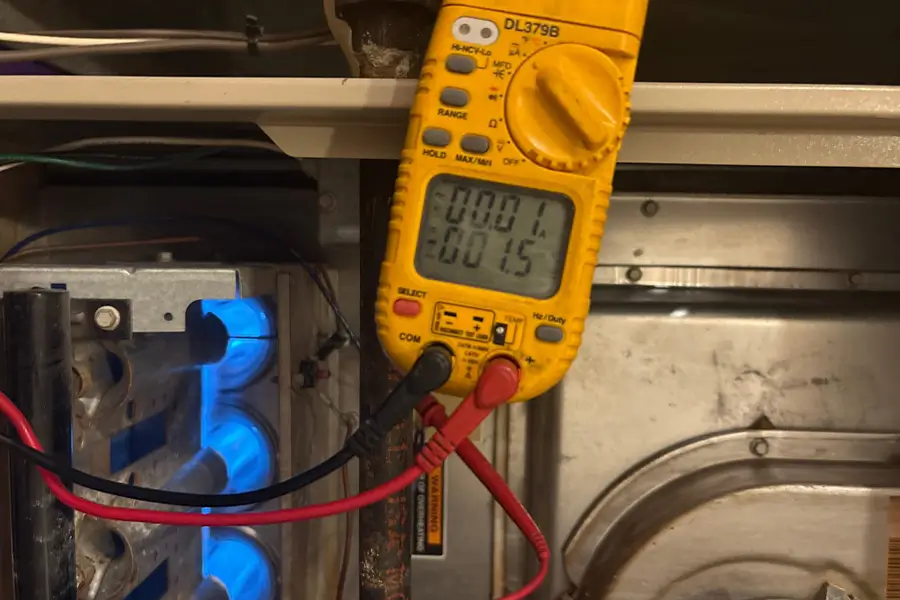
Signs Your Furnace Needs Service
If it has been more than a year since your last tune-up, keep an eye out for these.
- Heating bills are climbing without explanation
- Banging, squealing, or rattling
- The furnace is short-cycling repeatedly
- Weak airflow from vents
- Rooms heating unevenly
- Yellow flame instead of blue
- Burning or musty smell
- The furnace is slow to start
- Excess dust throughout the house
Any one of these is worth a call. A yellow flame or a burning smell should be checked right away, since both can point to combustion problems.
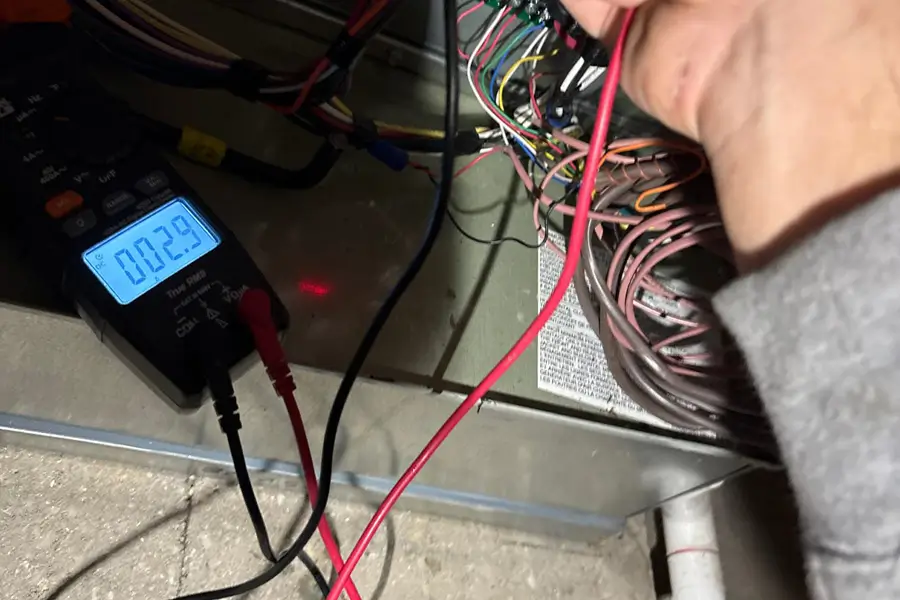
Common Problems Found During Maintenance Visits
Dirty flame sensors top the list. When soot builds up on the sensor, the furnace cannot confirm that the burner is lit, so it shuts down as a safety measure. Homeowners see it as the furnace firing for a few seconds and then quitting over and over, and a quick cleaning solves it.
Clogged filters are almost as common, and they cause more damage than people expect. Restricted airflow makes the furnace run hotter, trips the limit switch, and puts strain on the blower motor and heat exchanger. We also regularly find blower wheels caked with dust, which quietly cuts airflow to every room in the house.
Cracked or failing ignitors show up frequently, especially on units past the ten-year mark. They usually fail on the coldest night of the year because that is when the furnace is cycling the most. Catching a hairline crack during a tune-up is a cheap fix compared to an emergency call.
Condensate line clogs cause many midwinter lockouts on high-efficiency furnaces, particularly when the line runs through a cold basement or crawlspace. Venting problems are worth their own mention in this region, since ice, nests, and debris all collect at the termination point, and a restricted flue is a safety issue rather than an efficient one. Beyond that, we regularly find loose electrical connections, worn blower belts on older units, failing capacitors, drifting gas pressure, and early corrosion on heat exchangers.
Why Choose Spurk AC, Furnace & Boiler Repair
Folks around Warrendale and Southwestern Pennsylvania stick with us for a few simple reasons.
- Local since 2018
- Licensed and fully insured
- Hundreds of five-star reviews
- 100% guarantee on work
- Emergency service available
- Thorough, unrushed tune-ups
- Straight answers, no upselling
- Residential and commercial service
We built this company on word of mouth, and that only holds up when people trust what you tell them. We would rather explain what your furnace actually needs than sell you something it does not.
Frequently Asked Questions
1. How often should a furnace be serviced?
Once a year, ideally before the heating season starts. In Southwestern Pennsylvania, your furnace runs from October into April through damp cold and single-digit nights, so an annual tune-up keeps it ready for months of heavy use. Yearly service also keeps most manufacturer warranties valid, since many require documented annual maintenance.
2. When is the best time to schedule furnace maintenance in Warrendale, PA?
Late summer through early fall is ideal. Scheduling is easier before the heating season rush, and any needed repairs can be handled before the first cold snap. Waiting until January often means dealing with a no-heat call on a freezing night instead of a simple fix in October.
3. How long does a furnace tune-up take?
Most visits take about an hour. Older units or systems that have gone several years without service can take longer, especially if there’s heavy dust buildup on the blower or burners. We don’t rush the visit, so we take the time needed to test, clean, and inspect everything properly.
4. How often should I change my furnace filter?
Every one to three months for standard filters. Homes with pets or heavy dust usually need the shorter interval, and running your furnace nearly nonstop through a long Warrendale winter can clog filters faster than you’d expect. A clogged filter restricts airflow and strains the blower motor and heat exchanger.
5. Will maintenance lower my heating bill?
In most cases, yes. A clean, properly tuned furnace burns less fuel to deliver the same amount of heat. Cleaning the burners and dialing in combustion makes a real difference on your gas bill, especially over a heating season as long as ours in Southwestern Pennsylvania.
6. What's included in your furnace tune-up?
We start by running your system to see how it fires, how the blower responds, and what the temperature rise looks like. Then we clean the burners, flame sensor, ignitor area, blower wheel, and condensate line on high-efficiency units. We also inspect the heat exchanger for cracks, test gas pressure, combustion, draft, and safety controls, check electrical connections, verify thermostat operation, and check or replace the filter. We finish by walking you through everything we found.
7. Do you offer a furnace maintenance plan?
Yes. Our maintenance plans make it easy to stay on schedule with yearly furnace service, so you don’t have to remember to book it before each heating season. It’s a simple way to protect your system through Warrendale’s long, damp winters. Be sure to check our current specials as well.
8. What happens if you find a problem during maintenance?
We explain what we found in plain language and let you decide how to proceed. If a part is wearing out but still working, we’ll give you a realistic timeline instead of pushing an immediate repair. If your furnace needs repair or is nearing the point where replacement makes more sense, our financing options can help you manage the cost.