
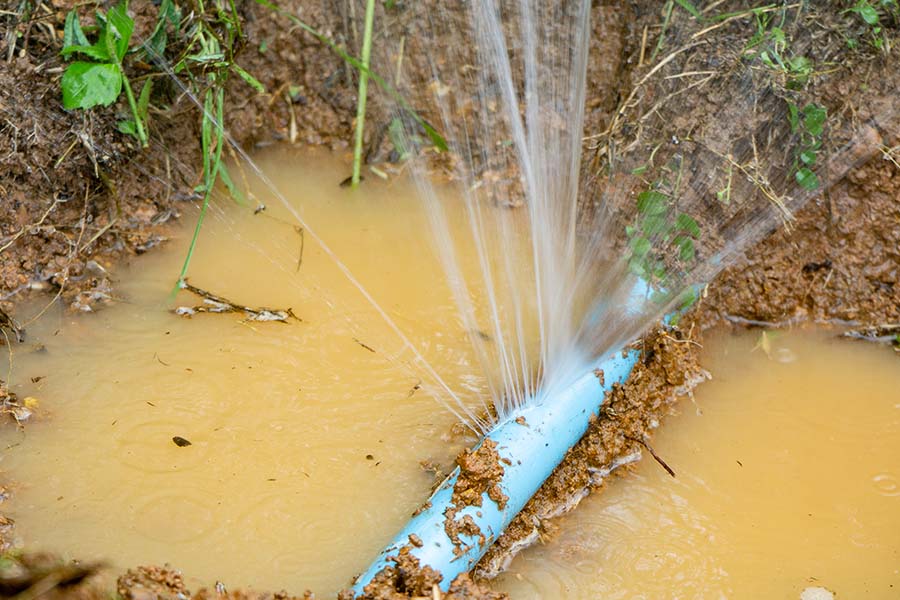
Summer is peak season for water leaks in residential properties, and Allison Park homeowners are not immune to that pattern. While cold-weather pipe bursts get most of the attention, the warmer months bring their own distinct set of conditions that put plumbing systems, HVAC equipment, and building materials under stress in ways that frequently result in water damage. Some of these leaks develop quickly and announce themselves with an obvious wet spot or puddle. Others build slowly and quietly behind walls, under slabs, or inside mechanical systems before any visible sign appears.
In our service calls throughout Allison Park and the surrounding communities along Route 8 and through the Duncan Manor and Ingomar neighborhoods, summer water leak calls are a consistent part of what we respond to between June and September. Understanding what causes them and what the warning signs look like gives homeowners a meaningful opportunity to intervene before a manageable situation becomes a costly repair.
- Air Conditioner Condensate Drain Clogs
When an air conditioning system operates, it removes moisture from the indoor air as part of the cooling process. That moisture collects on the evaporator coil as condensation and drains away through a condensate drain line that typically empties into a floor drain, utility sink, or exterior drain point. Under normal operating conditions, this process happens continuously and without issue throughout the cooling season.
The problem arises when that drain line becomes clogged. Algae, mold, dust, and debris accumulate inside the drain line over time, and during the humid Allison Park summers when the system is running heavily, that buildup can reach the point where the line becomes fully blocked. When the drain line is obstructed, condensate water backs up into the drain pan beneath the air handler. If the pan fills and overflows, the result is water damage to whatever surface or structure is directly below the unit, which in many homes is a finished ceiling, a closet floor, or a utility room.
This is one of the most preventable summer water leak causes we encounter. A qualified technician performing AC maintenance will inspect and flush the condensate drain line as part of a routine service visit, clearing buildup before it becomes a blockage. Homeowners who notice water pooling beneath the indoor unit or visible staining on the ceiling below an upstairs air handler should treat those signs as a prompt to have the system inspected immediately.
- Refrigerant Line Condensation
This cause surprises many homeowners because it involves water appearing in a location that seems unrelated to any plumbing. The refrigerant lines that connect the indoor and outdoor components of a split air conditioning system are cold when the system is running. In the humid summer air common throughout western Pennsylvania, warm moist air contacts those cold surfaces and condensation forms on the exterior of the lines.
Under normal conditions, refrigerant lines are insulated to prevent this from happening. But when that insulation deteriorates, develops gaps, or was never properly installed in the first place, the exposed line surfaces become condensation points. Over time, the dripping moisture saturates surrounding materials, creates water stains on walls and ceilings, and can promote mold growth in the areas it contacts.
In Allison Park homes where the refrigerant line set runs through attic spaces, crawl spaces, or unconditioned utility areas, insulation degradation is particularly common because those environments expose the insulation to temperature extremes, UV light in the case of exterior runs, and physical disturbance over the years. A technician can assess the condition of the line set insulation and restore it where deterioration has occurred, eliminating the condensation source.
- Outdoor Hose Bib and Irrigation System Failures
Summer is the season when exterior plumbing sees the most use. Garden hoses, sprinkler systems, and irrigation lines that may have sat idle through the winter and spring are put back into regular service, and that return to use frequently reveals connections and components that did not survive the cold months intact.
Hose bibs can develop cracks in the body of the fixture or at the connection point where the supply line meets the valve. Irrigation system fittings and solenoid valves that froze during the winter may appear intact from the outside while having developed internal fractures that only leak under the pressure of active use. In both cases, the leak may be slow enough that it is not immediately obvious, particularly if it is occurring underground or inside a wall where the irrigation supply line runs.
For Allison Park homeowners with in-ground irrigation systems, a pressure check of the system at the start of the season is one of the most effective ways to identify leaks in underground lines before they have the opportunity to saturate the surrounding soil for weeks or months undetected. Unexplained soft or wet patches in the lawn during dry periods are one of the more reliable signs that an underground irrigation line is leaking.
- Water Heater Pressure Relief Valve Discharge
Water heaters expand in volume as the water inside them heats up. The thermal expansion valve and pressure relief valve on a water heater are safety components designed to manage that pressure and prevent it from reaching dangerous levels. When a water heater’s pressure relief valve begins to discharge water, it is doing its job, but it is also signaling that the pressure inside the system has reached a level the valve is designed to respond to.
Summer temperature increases affect this process in ways that homeowners may not anticipate. Hot water sitting in supply lines that run through sun-exposed crawl spaces or attic spaces can heat significantly, increasing system pressure and triggering relief valve discharges more frequently than during cooler months. A pressure relief valve that discharges occasionally may not produce an obvious pool of water if the discharge line drains properly, but a valve that is cycling frequently is a sign that the system needs professional evaluation.
Persistent moisture around the base of a water heater, rust staining near the relief valve discharge pipe, or visible corrosion at fittings and connections are all signs that warrant prompt attention. In some cases, a leaking water heater is approaching the end of its service life and water heater replacement is the most practical and cost-effective resolution. In others, a valve replacement or pressure adjustment addresses the issue without requiring a full unit replacement.
- Condensation on Cold Water Supply Lines
In the same way that a cold glass sweats on a humid summer day, cold water supply lines can develop surface condensation during periods of high indoor humidity. This is most common on uninsulated copper or PEX supply lines running through basements, crawl spaces, and utility areas where warm, humid summer air circulates freely around them.
In most cases, this condensation is a nuisance rather than a structural threat, but in homes where condensation drips consistently onto wood framing, insulation, or stored materials, the cumulative moisture exposure can cause deterioration over time. It can also be mistaken for an active pipe leak, leading homeowners to pursue plumbing repairs for a problem that is actually a humidity management issue.
The distinction matters because the solution is different in each case. An actual pipe leak requires plumbing repair. Condensation on supply lines is addressed through insulating the lines to prevent the cold surface from contacting warm air, improving ventilation in the affected area, or addressing the humidity level in the space directly. Whole-home or targeted dehumidifier installation in chronically humid basement or crawl space environments can eliminate condensation on supply lines while also protecting the broader structure from moisture-related damage.
- Roof and Gutter-Related Water Intrusion
Summer storm activity in western Pennsylvania is significant. The afternoon thunderstorms that move through the Allison Park area between June and August, often intensified by the region’s topography and humidity levels, subject roofs, gutters, and exterior building envelopes to repeated heavy rainfall events. When those systems are not functioning as intended, water finds pathways into the structure that can be mistaken for plumbing leaks.
A roof with deteriorating shingles, failed flashing around chimneys or skylights, or compromised valley seals allows water to enter the attic or wall cavities during heavy rain. Gutters that are blocked with debris or pulling away from the fascia allow water to overflow and run down the exterior wall rather than away from the foundation. In either case, the water that appears inside the home during or after a storm is entering from the exterior envelope rather than from a plumbing system failure.
Distinguishing between a plumbing leak and a roof or gutter intrusion issue requires careful observation of when the water appears and where it is entering. Water that is present only during or shortly after rainfall, or that appears in areas directly below roof penetrations or at the junction of walls and ceilings in upper-floor rooms, is more likely a building envelope issue. A professional inspection can confirm the source and direct the appropriate response.
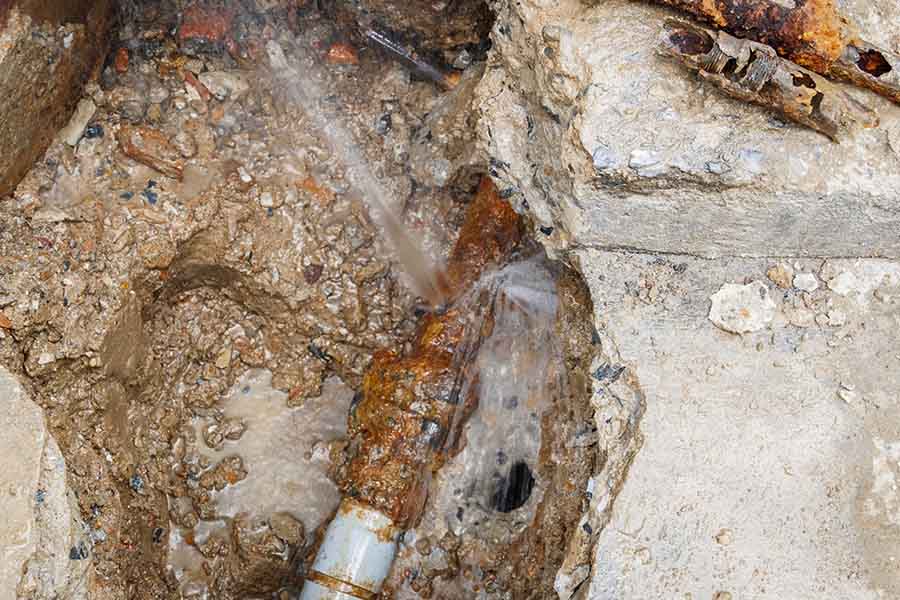
Taking Summer Water Leaks Seriously in Allison Park
The six causes covered in this article share a common thread: each one produces water damage that ranges from minor and correctable to significant and expensive depending on how quickly it is identified and addressed. Summer conditions, specifically the combination of heavy HVAC system use, high humidity, storm activity, and increased outdoor water consumption, create a set of circumstances that elevate leak risk across multiple systems simultaneously.
At Spurk HVAC, we serve Allison Park and the surrounding North Hills communities with professional diagnostics and repair for HVAC-related water issues, including condensate system failures, refrigerant line insulation, and humidity management. If you have noticed water where it should not be or want a professional assessment of your system before a problem develops, contact our team today and schedule a visit from one of our experienced technicians.