
High indoor humidity is one of those problems that tends to make itself known in layers. First comes the sticky, heavy feeling in the air. Then the musty odors. Then the condensation on windows, the warping wood, and eventually the mold. For homeowners in Butler, PA, where summers bring persistent heat and moisture across the Connoquenessing Creek valley, managing indoor humidity is a real and recurring challenge.
The good news is that most humidity problems have identifiable causes, and once those causes are understood, the right solutions follow naturally. This guide covers what drives high indoor humidity in Butler homes, what can be done about it, and when a professional assessment is the right next step.
Understanding the Causes of High Indoor Humidity in Butler, PA
Indoor humidity rarely has a single source. In most homes, it is the combined result of several contributing factors. The most common ones we encounter in Butler-area service calls include:
- Seasonal outdoor humidity: During summer months, warm, humid air from outside enters through doors, windows, and gaps in the building envelope, raising interior moisture levels
- Everyday household activity: Cooking, showering, running the dishwasher, and even breathing all introduce water vapor into the air
- Inadequate ventilation: When kitchens, bathrooms, and laundry areas do not have proper exhaust ventilation, moisture generated in those spaces spreads throughout the home
- Plumbing leaks: Slow leaks under sinks, behind walls, or in crawl spaces create persistent damp conditions that elevate ambient humidity.
- Basement and crawl space seepage: Groundwater and soil moisture migrate through foundation walls and floors, particularly after rain
- HVAC performance issues: A system that is undersized, poorly maintained, or running with a clogged coil may fail to remove adequate moisture from the air during normal operation
Identifying which of these factors is most significant in a specific home is the starting point for any effective solution.
Effective Solutions to Reduce Humidity Levels
Addressing high humidity typically requires more than one approach. The right combination depends on where the moisture is coming from and how the home is constructed, but these are the solutions that consistently make a meaningful difference:
- Improve bathroom and kitchen ventilation: Exhaust fans should vent directly to the outside and run continuously during and after any moisture-generating activity. Fans that recirculate air internally or vent into the attic space are not doing their job.
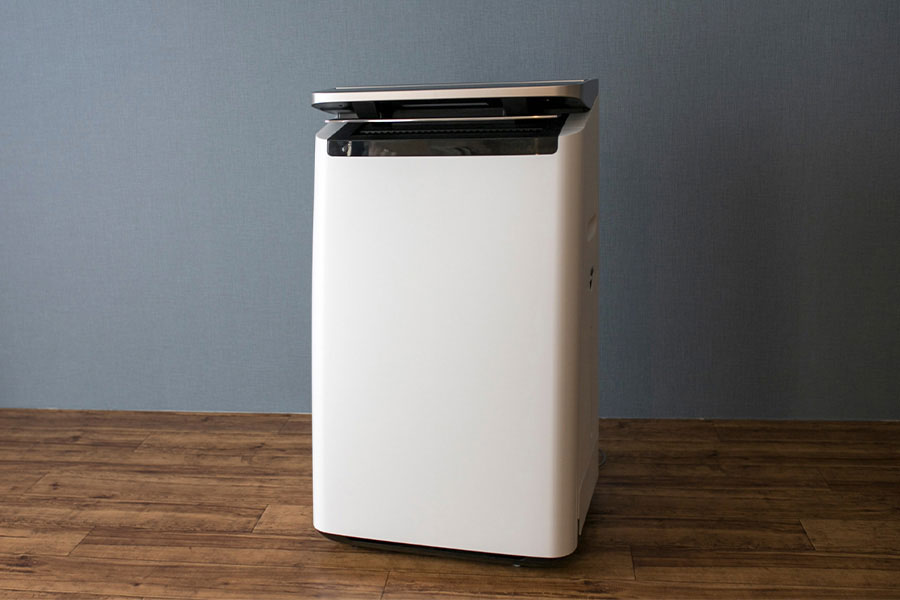
- Install or upgrade a dehumidifier: Portable units work for isolated problem areas, but whole-home dehumidifier installation integrated with the HVAC system provides more consistent and comprehensive control.
- Seal the building envelope: Gaps around windows, doors, and penetrations allow humid outdoor air to enter freely. Caulking and weatherstripping these areas reduces that infiltration.
- Address leaks promptly: Any active plumbing or roof leak should be repaired without delay. The moisture they introduce compounds quickly into larger humidity and mold problems.
- Manage indoor plants: Plants contribute to humidity through transpiration. In already-damp spaces, overwatering or a high concentration of large plants can significantly increase moisture levels.
- Keep windows closed on humid days: On days when outdoor humidity is high, open windows let in more moisture than they let out.
None of these steps is complicated on its own, but they need to be matched to the actual conditions in the home to be effective.
The Role of Your HVAC System in Humidity Control
A well-functioning HVAC system does more than regulate temperature. It is one of the primary tools for managing indoor moisture. When the system is operating correctly, it pulls warm, humid air across the evaporator coil, where the moisture is condensed out of the air before distributing the cooled, drier air throughout the home.
When the system is not performing well, humidity control suffers. Several HVAC-related factors affect moisture management directly:
- Oversized equipment: A unit that is too large for the space cools it too quickly, shutting off before it has run long enough to dehumidify the air adequately
- Dirty evaporator coils: Buildup on the coil reduces its ability to condense moisture efficiently
- Clogged filters: Restricted airflow reduces the volume of air passing over the coil, limiting dehumidification capacity
- Refrigerant issues: Low refrigerant affects both cooling and moisture removal
Keeping the HVAC system properly maintained is one of the most effective ongoing strategies for humidity control. AC coil cleaning is a straightforward maintenance step that directly affects how well the system manages moisture, and it is often overlooked until performance has already declined noticeably.
Tips for Maintaining Optimal Indoor Humidity Year-Round
Keeping humidity within a healthy range of 30 to 50 percent requires consistent attention rather than a single fix. These habits support stable indoor conditions across Butler’s full range of seasonal conditions:
- Run exhaust fans every time you cook or shower, and leave them running for 15 to 20 minutes after you finish
- Schedule annual HVAC maintenance before the cooling season to confirm the system is ready to handle summer humidity loads.
- Check basement and crawl space conditions periodically, especially after heavy rain or snowmelt.
- Replace HVAC filters on schedule to maintain proper airflow through the system.
- Monitor indoor humidity with an inexpensive hygrometer, so you know when conditions are drifting out of range before symptoms appear.
Pairing these habits with properly functioning equipment keeps humidity manageable through even Butler’s most humid stretches. HVAC UV light installation is an additional option worth considering for homes where moisture and air quality concerns overlap, as UV systems address biological contaminants that thrive in humid conditions.
When to Call a Professional for Humidity Issues
There is a point at which DIY measures are not enough, and recognizing that threshold early saves time, money, and potential health consequences. Professional help is warranted when:
- Mold or mildew is visible on walls, ceilings, HVAC components, or in bathrooms despite regular cleaning
- Musty odors persist throughout the home without an identifiable source
- Humidity levels remain elevated even with a dehumidifier running continuously
- Household members are experiencing increased allergy or respiratory symptoms
- There is visible condensation on interior windows or walls regularly
- The HVAC system appears to be running normally, but the home still feels consistently damp
These signs suggest the problem has grown beyond what surface-level adjustments can address. A qualified technician can assess the ventilation, inspect the HVAC system, identify leak sources, and recommend the combination of solutions that fits the specific conditions in the home.
Protecting Your Butler Home from the Effects of Excess Moisture
High indoor humidity is not just a comfort issue. Over time, persistent moisture damages building materials, creates conditions for mold growth, and contributes to declining indoor air quality. For Butler homeowners, staying ahead of humidity by maintaining proper ventilation, keeping equipment in good condition, and promptly addressing leaks is the most effective long-term strategy.
At Spurk HVAC, our team brings more than 20 years of experience to residential comfort and air quality challenges across Butler County and the surrounding region. We are licensed, insured, and committed to diagnosing problems accurately before recommending any course of action.
If your home has been struggling with persistent humidity issues, contact our team today to schedule an assessment and find out what it will take to bring conditions back to a comfortable, healthy range.
