
Ductless mini-split systems have become one of the most practical heating and cooling solutions available to homeowners across western Pennsylvania, and for good reason. They deliver precise, efficient comfort without requiring the extensive ductwork that traditional forced-air systems depend on. For Ross Township homeowners in particular, where the housing stock ranges from mid-century ranches and split-levels along Babcock Boulevard to newer construction closer to the Ross Park Mall corridor, ductless systems offer a level of flexibility that conventional equipment simply cannot match.
That said, choosing the right ductless system is not a one-size-fits-all decision. The size of the space, the number of zones needed, the layout of the home, the existing heating source, and the performance expectations of the household all factor into which system and configuration will deliver the best long-term results. Making the wrong choice leads to a system that either underperforms or operates less efficiently than it should, neither of which serves the homeowner well.
In our service calls throughout Ross Township and the surrounding North Hills communities, we have helped homeowners navigate this decision across a wide range of home types and comfort goals. This guide covers what you need to know before committing to a ductless system so that the investment you make delivers the performance and efficiency you are expecting.
Understanding How Ductless Systems Work
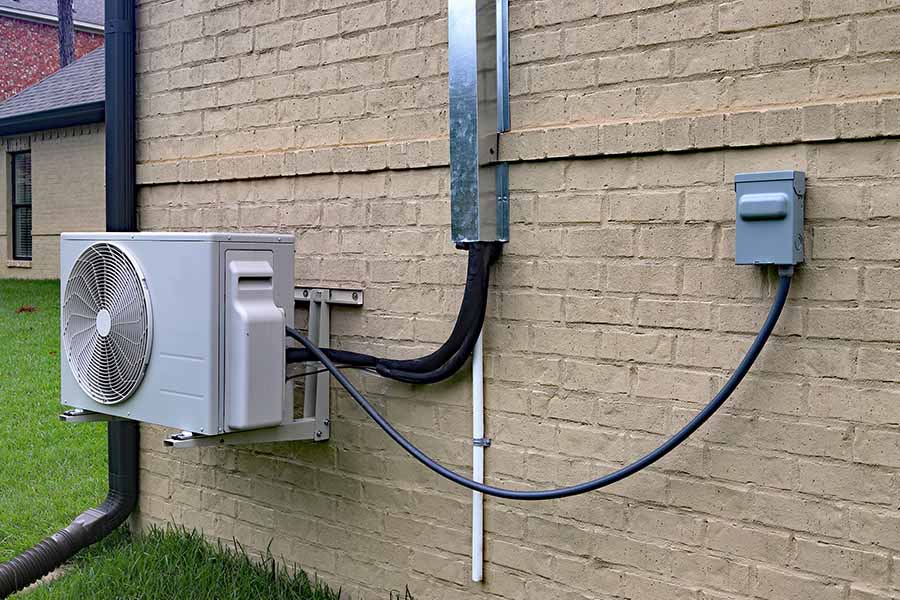
A ductless mini-split system consists of two primary components: an outdoor compressor unit and one or more indoor air handling units, commonly called heads or cassettes. The two components are connected by a conduit that carries refrigerant lines, a power cable, and a condensate drain line. Because there is no ductwork involved, installation is significantly less invasive than a traditional system, typically requiring only a small penetration through an exterior wall.
The indoor units mount on walls, ceilings, or floors depending on the configuration selected, and each unit can be controlled independently. This means different rooms or zones in the home can be set to different temperatures simultaneously, which is one of the most significant practical advantages ductless systems offer over conventional forced-air systems with a single thermostat.
Modern ductless systems also function as heat pumps, meaning they provide both cooling in the summer and heating in the winter by reversing the refrigerant cycle. Many of today’s cold-climate heat pump models are rated to operate efficiently well below freezing, which makes them a genuinely viable year-round heating and cooling solution in western Pennsylvania’s climate rather than just a supplemental option.
Single-Zone vs. Multi-Zone Systems
The first and most foundational decision in choosing a ductless system is determining how many zones the installation needs to serve.
A single-zone system pairs one outdoor unit with one indoor unit. This configuration is well suited for a specific room or addition that is not adequately served by the existing HVAC system, such as a finished basement, a sunroom, a garage conversion, or a room addition where extending ductwork would be impractical or expensive. Single-zone systems are straightforward to install and typically represent a lower upfront investment.
A multi-zone system connects one outdoor unit to multiple indoor units, each serving a different area of the home. This configuration is appropriate when the goal is to condition several rooms or the entire home without a traditional duct system. Multi-zone systems offer the greatest flexibility in terms of independent temperature control, but they require more careful planning to ensure that the outdoor unit is properly sized to support the total load of all connected indoor units simultaneously.
Working in homes across Ross Township, we frequently encounter situations where a homeowner initially installs a single-zone system to solve an immediate problem and later wishes they had planned for multi-zone capability from the start. Having a licensed technician assess the full scope of your comfort needs before installation allows for a system design that meets both current requirements and anticipated future ones.
Sizing the System Correctly
Proper sizing is one of the most critical factors in ductless system performance, and it is also one of the areas where errors are most commonly made when installation is not approached with a thorough load calculation.
An undersized system will run continuously during peak heating and cooling demand without reaching the setpoint, which is both uncomfortable and hard on the equipment. An oversized system will short-cycle, reaching the setpoint too quickly and shutting off before it has adequately managed humidity or distributed temperature evenly throughout the space. Both scenarios result in higher operating costs and shorter equipment life than a correctly sized system would produce.
Sizing a ductless system properly requires evaluating the square footage and ceiling height of each zone, the insulation levels in the walls, ceiling, and floor, the number and size of windows and their orientation, the local climate data for the Ross Township area, and the internal heat loads generated by occupants and appliances. This is not a calculation that can be reliably performed with a simple square footage estimate. It requires a Manual J load calculation or equivalent methodology performed by a qualified professional.
Our team completes full load assessments before recommending any ductless mini-split installation to ensure the system we install is matched precisely to the demands of the space it will serve.
Choosing the Right Indoor Unit Type
Ductless systems offer several indoor unit configurations, and the right choice depends on the layout and construction of the space being conditioned.
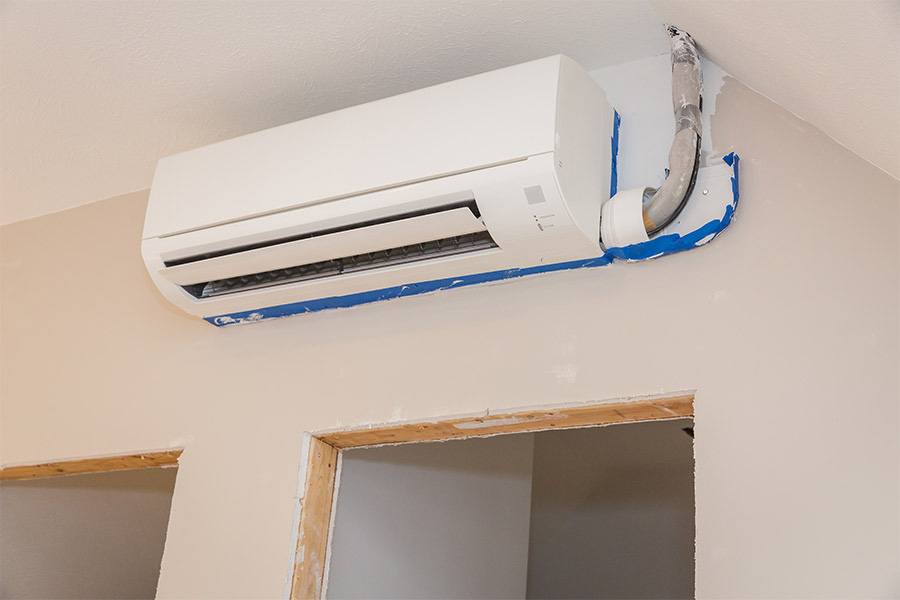
Wall-mounted units are the most common configuration in residential installations. They mount high on an interior wall, distribute air horizontally across the room, and are available in a wide range of capacities. They are also the most affordable indoor unit option and the easiest to install in most home layouts.
Ceiling cassette units recess into the ceiling and distribute air in four directions simultaneously, which makes them well suited for open-plan spaces where a wall-mounted unit might not distribute air evenly to all corners of the room. They offer a cleaner aesthetic in finished living spaces but require adequate ceiling depth and more involved installation.
Floor-mounted units are installed near the floor on an interior wall and direct airflow upward. They are a practical choice in rooms with limited wall space above furniture height, in spaces with large amounts of glass, or in situations where ceiling or high-wall mounting is not structurally feasible.
Ducted mini-split air handlers are a lesser-known option that allows a ductless outdoor unit to connect to a small, concealed air handler that serves multiple rooms through short duct runs. This configuration is useful in spaces where multiple rooms need conditioning but individual wall or ceiling units in each room are not preferred.
A technician familiar with ductless system design can assess the specific characteristics of each space and recommend the indoor unit type that will deliver the best comfort and air distribution for that configuration.
Evaluating Heating Performance in Western Pennsylvania’s Climate
One of the most important questions Ross Township homeowners should ask when considering a ductless system is how well it performs as a heating source during Pennsylvania winters. The answer has changed significantly over the past decade as cold-climate heat pump technology has advanced.
Older and lower-grade ductless systems experience meaningful capacity loss as outdoor temperatures drop below freezing, which historically limited their usefulness as primary heating sources in climates like western Pennsylvania’s. Today’s cold-climate mini-split models from leading manufacturers maintain substantial heating capacity at outdoor temperatures as low as minus five to minus thirteen degrees Fahrenheit, making them a credible primary heating source in most western Pennsylvania winters.
That said, not all ductless systems on the market offer the same cold-weather performance. The heating capacity ratings, the rated minimum operating temperature, and the efficiency ratings at low ambient temperatures vary considerably between models and brands. When evaluating systems for year-round use in Ross Township, these specifications deserve careful attention rather than assuming that all ductless systems perform equally in cold weather.
For homes where a ductless system will serve as a supplement to an existing furnace or boiler rather than replacing it entirely, cold-weather heating performance is a less critical factor. In that scenario, the ductless system handles cooling and mild-weather heating while the existing heating system takes over during the coldest periods.
Efficiency Ratings and Operating Costs
Ductless systems are marketed heavily on the basis of energy efficiency, and the claims are generally well founded. Because they avoid the duct losses that reduce the delivered efficiency of forced-air systems, and because heat pump technology moves heat rather than generating it, ductless systems typically operate more efficiently than resistance electric heating and often more efficiently than gas systems in moderate weather conditions.
The efficiency of a ductless system is expressed through two primary ratings: the SEER2 rating, which measures cooling efficiency, and the HSPF2 rating, which measures heating efficiency. Higher numbers in both categories indicate greater efficiency. Systems with higher efficiency ratings carry a higher upfront cost but deliver lower monthly operating costs over the life of the equipment, and the payback period depends on local utility rates and how heavily the system is used.
For Ross Township homeowners evaluating the economics of a ductless investment, a licensed technician can help model the expected operating costs based on the specific system, the local utility rates, and the anticipated usage pattern for the home.
What to Expect from Professional Installation
The quality of a ductless system installation has a direct and significant impact on how well the system performs and how long it lasts. Improper refrigerant charging, inadequate line set sizing, poor drainage planning, or incorrect placement of indoor units can all reduce system efficiency and create maintenance problems that accumulate over time.
Professional installation includes selecting the correct mounting locations for both indoor and outdoor units, properly sizing and routing the refrigerant line set, evacuating the system to the required vacuum level before charging, verifying refrigerant charge against manufacturer specifications, and confirming that drainage is correctly configured and functional. It also includes commissioning the system and testing it across its full range of operating modes to confirm that performance matches expectations before the technician leaves the site.
If an existing ductless system has developed operational problems, prompt attention from a qualified technician prevents minor issues from becoming larger failures. Our ductless mini-split repair services address performance issues, refrigerant concerns, drainage problems, and component failures in systems of all brands and configurations.
Questions to Ask Before Making a Decision
Before committing to a specific ductless system, the following questions are worth working through with a qualified HVAC professional:
How many zones does the home genuinely need, and is the outdoor unit being proposed sized to support them all simultaneously at peak demand? Is the system being recommended for cold-climate performance if it will serve as a primary heat source? What is the warranty coverage on the equipment, and what does it require in terms of registered installation and annual maintenance? Are the efficiency ratings quoted based on the new SEER2 and HSPF2 standards, which more accurately reflect real-world performance than the older rating scales?
These questions help ensure that the system selected is the right fit for the home and that the installation meets the standards required to protect both the warranty and the long-term performance of the equipment.
Making the Right Choice for Your Ross Township Home
A ductless mini-split system is a significant investment, and the right system installed correctly will deliver years of efficient, comfortable, and flexible heating and cooling. Getting there requires more than selecting a brand or a capacity rating. It requires a thorough assessment of the home, a properly executed load calculation, thoughtful system design, and professional installation by technicians who understand both the equipment and the conditions specific to western Pennsylvania.
At Spurk HVAC, we have been helping Ross Township homeowners evaluate, select, and install ductless systems since 2018. Our licensed technicians take the time to understand your comfort goals and the specific characteristics of your home before making any recommendations. To discuss whether a ductless system is the right fit for your property and get a professional assessment, contact our team today and schedule a visit at your convenience.