
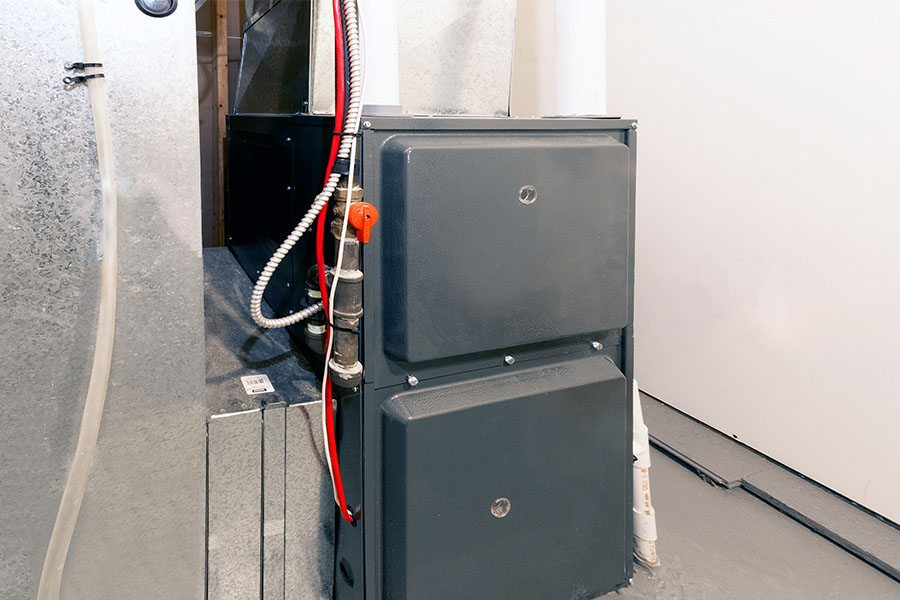
The first heating startup of the season is one of the more consequential moments in a commercial building’s annual maintenance cycle. After months of dormancy during the cooling season, a commercial heating system is asked to resume full operation on a timeline driven by outdoor temperatures and occupant comfort rather than the readiness of the equipment. In Warrendale, where the commercial corridor along Route 910 and the business parks near the I-79 interchange house a diverse range of light industrial, office, and retail properties, that first startup often reveals issues that accumulated silently through the summer months when heating was not needed.
In our service calls throughout Warrendale’s commercial districts, the pattern is consistent: the facilities that experience the smoothest seasonal heating transitions are the ones where a qualified HVAC contractor completed a systematic pre-season inspection before the first cold snap of the fall. The ones that generate emergency calls are, almost without exception, the ones that attempted to start the system for the first time in response to occupant complaints rather than in advance of them.
Understanding what a commercial heating startup involves, what the inspection and commissioning process looks like, and what the most common findings are at this time of year gives facilities managers and building owners the context they need to approach the season transition with the right priorities.
Why Commercial Heating Startups Require Deliberate Preparation
Commercial heating systems operate at a scale and complexity that residential equipment does not approach. Rooftop units, boilers, large air handlers, variable air volume systems, zone controls, building automation interfaces, and the ductwork and piping networks that connect them all require systematic evaluation before and during a seasonal startup. A missed step at one point in the sequence can produce consequences at another point in the system that are not immediately apparent, and in a commercial setting those consequences affect multiple occupants and potentially the productive capacity of the business.
The dormancy period itself introduces risks. Seals and gaskets in boiler and piping systems dry out and shrink slightly when they are not kept at operating temperature and pressure. Condensate drain systems in rooftop and air handler units accumulate biological growth during warm months when moisture is present but flow is intermittent. Gas train components in boiler systems need to be tested and proven operational before a seasonal startup, not discovered to be faulty during one. Ignition systems, flame sensors, and heat exchangers all warrant direct inspection at the start of each heating season.
For Warrendale commercial properties, where the fall temperature transition can move from moderate to genuinely cold in a matter of weeks, waiting until the first occupant complaint to evaluate the heating system leaves very little margin for identifying and correcting problems before comfort and operations are affected.
The Pre-Season Inspection Process
A thorough commercial heating pre-season inspection is the foundation of a reliable seasonal startup. For most Warrendale commercial properties, this work should be completed in September or early October, before sustained heating demand begins. What that inspection involves depends on the type of heating equipment the property uses, but several components are common across most commercial heating systems.
Gas-fired equipment testing. Every gas-fired component in the system, including furnaces, boilers, rooftop units, and unit heaters, requires a gas train inspection and operational test before the heating season begins. The gas valve, pressure regulator, ignition system, and flame proving controls all need to be confirmed operational. Gas train components that have deteriorated over the summer, or that were marginal at the end of the previous heating season, are far better identified during a planned pre-season inspection than during an emergency call on a cold morning.
Heat exchanger inspection. In gas-fired forced-air heating equipment, the heat exchanger is the component that separates the combustion gases from the conditioned air supply. A cracked or compromised heat exchanger allows combustion byproducts, including carbon monoxide, to enter the air stream distributed to occupied spaces. Heat exchanger inspection is a non-negotiable step in any commercial heating startup that involves gas-fired forced-air equipment, and it requires a qualified technician with the appropriate tools and training to perform it reliably.
Controls and thermostat calibration. Commercial buildings typically use zone controls, programmable thermostats, or building automation system integrations to manage heating across multiple spaces with different occupancy and comfort requirements. Verifying that each control point is calibrated accurately, communicating correctly with the equipment it commands, and maintaining its programmed schedule is a startup task that directly affects both comfort and energy efficiency throughout the season.
Ductwork and air distribution assessment. Commercial duct systems accumulate debris, may develop leakage at joints over the course of the year, and may have experienced physical disturbance in spaces that were renovated or reconfigured during the summer. A visual inspection of accessible duct sections and an airflow check at representative registers confirms that the distribution system is intact and delivering conditioned air where it is designed to go.
Flue and venting system inspection. Combustion appliances depend on properly functioning flue and venting systems to exhaust byproducts safely. Bird nests, debris accumulation, and physical damage to flue sections can develop over the summer months when these systems are not in use. Confirming that every vent and flue pathway is clear and intact before the heating season begins is a safety requirement, not an optional step.
Commercial Boiler Startup in Warrendale
For Warrendale commercial properties that use hydronic heating systems with boilers, the seasonal startup process is more involved than forced-air system commissioning and deserves specific attention. Boilers that have been off for an extended period need to be brought back to operating temperature and pressure gradually, with monitoring at each stage to confirm that system components are responding correctly.
Our team handles commercial heating repair in Warrendale for properties across the commercial corridor, and boiler-related startup findings are among the most consistent issues we document in the fall. Pressure relief valves that have not been tested in multiple seasons, expansion tank pre-charge pressures that have dropped below operating parameters, circulator pump bearings that have dried out during the off season, and zone valve actuators that have seized in one position are all findings that surface regularly during boiler system startup inspections.
The water chemistry in a closed-loop hydronic system also deserves evaluation at the start of each heating season. Inhibitor concentrations in the system water protect ferrous and non-ferrous metals from corrosion and should be tested and adjusted before the system is brought to operating temperature and pressure. A system running with depleted inhibitor protection accumulates corrosion products that affect circulator pump and valve performance over time and can produce deposits that affect heat exchanger efficiency.
Rooftop Unit Startup and Inspection
Warrendale’s commercial building stock includes a significant number of properties with rooftop HVAC units that handle both cooling and heating functions. As these units transition from cooling mode to heating mode in the fall, each unit’s heating section requires inspection and operational verification independent of the cooling performance that was being monitored through the summer.
Our commercial HVAC maintenance in Warrendale program addresses rooftop unit heating startups as part of a seasonal maintenance structure that includes inspection of gas trains, heat exchangers, ignition systems, economizer controls, and the transition logic that governs how the unit moves between cooling, heating, and economizer modes as outdoor conditions change. Units that have not been maintained on a regular schedule frequently have components that were marginal through the cooling season and become failures when the heating section is first activated in the fall.
Filter replacement in rooftop units at the seasonal transition is a straightforward step with a direct impact on both heating performance and the indoor air quality of the spaces the units serve. Filters that carried the system through the summer are loaded with the airborne material of the cooling season and should be replaced before the heating season begins rather than carried into it.
What to Do When Startup Reveals a Problem
Even with thorough pre-season preparation, a commercial heating startup occasionally reveals a component failure or system condition that requires repair before the system can be placed in reliable service. The appropriate response in these situations is not to defer the repair until a more convenient time, particularly as fall temperatures in Warrendale begin to drop. Commercial occupants have comfort and health expectations that a non-functional heating system cannot meet, and in some cases business operations depend on maintaining interior temperatures within a specific range.
Our commercial HVAC repair in Warrendale team responds to startup findings with the same urgency as in-season emergency calls, because the practical impact on the building and its occupants is identical. A gas valve that fails testing during a pre-season inspection has the same consequence for occupant comfort as one that fails during a January cold snap. The advantage of finding it during a scheduled inspection rather than in response to an emergency is the additional time available to source parts and schedule the repair on a reasonable timeline before the problem affects operations.
For building owners and facilities managers who have not yet established a relationship with a qualified commercial HVAC contractor in the Warrendale area, the start of the fall season is the right time to do so. A contractor who is familiar with the specific equipment and systems in a building, and who has a service history with that property, is in a meaningfully better position to respond effectively to both planned maintenance needs and unexpected findings than a contractor who is encountering the equipment for the first time during an emergency call.
Maintenance Agreements and Planned Service
For commercial properties in Warrendale, a structured maintenance agreement that schedules both heating and cooling season inspections, tracks equipment condition over time, and provides priority service response for in-season issues is the most reliable framework for managing commercial HVAC system health proactively rather than reactively. Properties operating under a maintenance agreement consistently experience fewer emergency situations, lower repair costs over time, and longer equipment service life than those managed on a break-fix basis.
Our commercial HVAC installation and replacement services in Warrendale are available for properties where the inspection and startup process reveals equipment that has reached the end of its practical service life and requires replacement rather than another season of repair investment. In those situations, we provide a thorough assessment of replacement options, including equipment selection, installation planning, and the transition process that minimizes operational disruption to the building and its tenants.
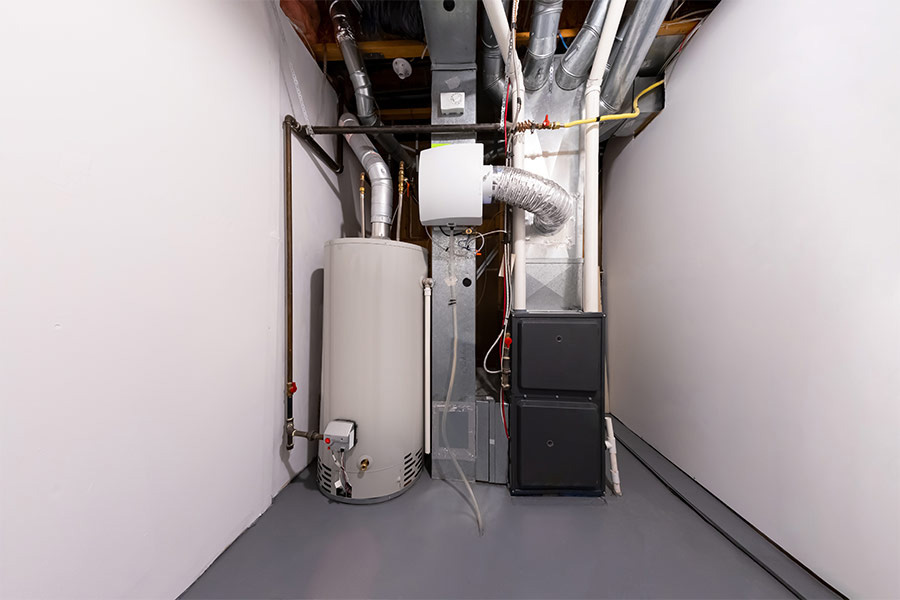
Preparing Your Warrendale Commercial Property for the Heating Season
A commercial heating startup handled systematically and professionally is the foundation of a reliable, efficient, and safe heating season. The findings that surface during a thorough pre-season inspection are almost always less expensive to address than the emergency calls and operational disruptions that result from deferring that inspection until the equipment fails under demand.
At Spurk HVAC, we have been serving commercial properties throughout the Warrendale corridor and the broader western Pennsylvania market for over 20 years. Our licensed commercial HVAC technicians approach every seasonal startup with the thoroughness and documentation that commercial building owners and facilities managers depend on. To schedule a pre-season commercial heating inspection or discuss your property’s HVAC maintenance needs, contact our team today and let us make sure your building is ready before the season demands it.