
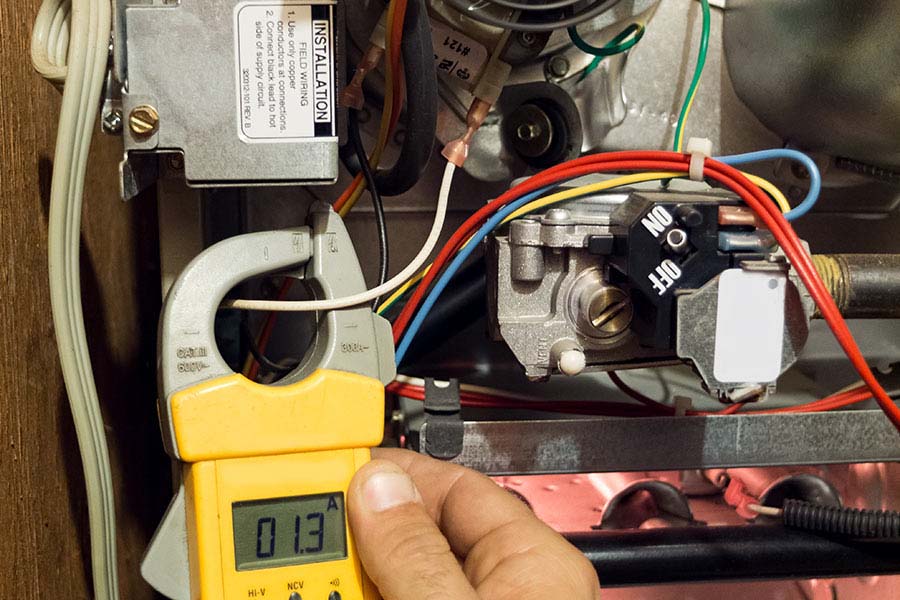
Pittsburgh winters are not forgiving. From the lake-effect cold that pushes through the Ohio Valley in December and January to the extended stretches of below-freezing temperatures that test residential heating systems through February and into March, a furnace that is not in peak condition heading into the season is a furnace that is likely to create problems at the worst possible time. The good news is that furnaces rarely fail without warning. In most cases, the signs that a furnace needs professional attention appear weeks or months before a breakdown occurs, and recognizing those signs early is what separates a manageable maintenance visit from an emergency call on the coldest night of the year.
In our service calls throughout Pittsburgh and the surrounding communities, from the South Hills neighborhoods of Bethel Park and Mt. Lebanon to the established residential areas of Squirrel Hill, Shadyside, and the North Shore, furnace problems follow consistent patterns across different equipment types and ages. The six signs described below are the ones we encounter most frequently when a furnace is overdue for professional attention, and each one deserves a prompt response rather than a wait-and-see approach.
1: The Furnace Is Running More Than It Used To
A furnace that is cycling more frequently than normal, or running in unusually long cycles without reaching the thermostat setpoint, is working harder than it should to heat the home. In Pittsburgh homes, this pattern often begins to surface in the fall when temperatures first drop and the furnace is asked to run in earnest after months of dormancy during the cooling season.
Increased runtime can indicate several underlying conditions. A dirty or clogged air filter restricts the airflow the furnace depends on to distribute heat efficiently, forcing the system to run longer to move the same volume of heated air through the home. Heat exchanger fouling from incomplete combustion or accumulated debris reduces the efficiency with which combustion heat is transferred to the air supply. A burner that is not firing cleanly produces less usable heat per unit of fuel than a properly tuned burner, and the furnace compensates by extending its run cycles.
Each of these conditions is identifiable and addressable during a professional maintenance visit. Left unaddressed, extended runtime drives up energy costs, accelerates component wear, and increases the likelihood of a mid-season failure as the system runs under sustained stress.
2: Uneven Heating Throughout the Home
A furnace that is maintaining adequate temperature in some rooms while leaving others consistently cooler is not distributing heat evenly through the system. In Pittsburgh homes, where the housing stock ranges from narrow row houses in neighborhoods like Lawrenceville and Polish Hill to sprawling multi-story properties in Mt. Lebanon and Upper St. Clair, uneven heating is a complaint we respond to consistently throughout the heating season.
Uneven heating can reflect a furnace that is operating below its designed capacity due to maintenance deficiencies, a duct system that has developed leaks or blockages since the last professional inspection, or a combination of both. A furnace that is running but producing reduced heat output because of a partially blocked heat exchanger, a dirty burner, or a failing blower motor will meet the thermostat setpoint in rooms that are close to the air handler while leaving rooms at the end of longer duct runs noticeably colder.
A furnace maintenance visit that includes a full assessment of both the furnace’s combustion and airflow performance and the condition of the distribution system gives a technician the information needed to identify whether the issue is with the furnace itself, the duct system, or both, and to address the findings before they deepen into a more significant comfort problem.
3: Unusual Noises During Operation
A furnace in good operating condition runs with a consistent, relatively quiet sound profile. The burner ignites cleanly, the blower comes up to speed smoothly, and the system runs without notable mechanical noise until the cycle ends. When that sound profile changes, the change is communicating something worth paying attention to.
Banging or popping sounds at startup often indicate delayed ignition, where gas accumulates in the combustion chamber before finally igniting in a small explosion rather than a clean, controlled flame. This is a condition that produces stress on the heat exchanger with each occurrence and, if allowed to continue, can contribute to heat exchanger cracking. A cracked heat exchanger is a serious finding because it allows combustion byproducts including carbon monoxide to enter the air supply distributed to occupied spaces.
Rattling from the furnace cabinet during operation typically indicates a loose panel, a component that has come partially free from its mounting, or a blower wheel that has accumulated an imbalancing buildup of debris. Squealing or screeching points to blower motor bearings that are failing or, in older belt-driven systems, a belt that is worn or slipping. Rumbling from the burner area after the burners have shut off can indicate combustion residue on the burner heads that is continuing to burn after the gas valve has closed.
Any of these sounds warrants a professional inspection rather than an adjustment to the thermostat and a decision to revisit the issue later. Most furnace noises that go unaddressed progress from a sign of a developing issue to confirmation of a component that has failed.
4: A Yellow or Flickering Burner Flame
On a gas furnace operating correctly, the burner flame should be a steady, blue flame with only a small amount of yellow at the tip. A flame that is predominantly yellow, orange, or flickering, or that varies in appearance from one moment to the next, indicates that combustion is not occurring cleanly. Incomplete combustion produces higher levels of carbon monoxide as a byproduct than proper combustion does, and a furnace exhibiting this symptom should be evaluated by a licensed technician before continued operation.
Yellow flame conditions are commonly caused by dirty burners that have accumulated dust or combustion residue, by an incorrect fuel-to-air ratio resulting from a restricted air supply or a burner component that is out of adjustment, or by a gas pressure issue that is causing the burner to operate outside its designed parameters. Each of these causes is addressable through professional maintenance, but each also underscores why the furnace should not continue operating in an unserviced condition when this symptom is present.
In Pittsburgh homes with older furnaces that have not been serviced in multiple seasons, yellow or flickering flames are a finding we encounter regularly during fall maintenance visits. Annual maintenance that includes cleaning and inspecting the burner assembly, verifying gas pressure at the manifold, and confirming combustion performance through flue gas analysis is the most reliable way to ensure that the furnace is burning cleanly and safely throughout the heating season.
5: Higher Than Normal Heating Bills
A furnace that is consuming more fuel to produce the same amount of heat it delivered in previous seasons is operating at reduced efficiency, and that reduction shows up directly in the monthly heating bill. Pittsburgh winters are long enough and cold enough that even a modest efficiency decline produces a meaningful dollar impact over the course of the season, particularly in homes with older equipment or duct systems that have never been professionally assessed.
The most common efficiency-reducing conditions we find in Pittsburgh homes include dirty heat exchangers and burner assemblies that reduce the combustion efficiency of the unit, air filters that are restricting return airflow and forcing the blower motor to work harder than it should, duct leakage that is sending heated air into unconditioned spaces before it reaches the living area, and blower motor performance that has degraded due to wear or lack of lubrication.
A furnace repair diagnostic that identifies which of these conditions is present in a specific system, followed by targeted service to address the findings, typically produces a measurable improvement in efficiency that is reflected in subsequent heating bills. For Pittsburgh homeowners who have noticed their heating costs climbing over the past one or two seasons without a clear explanation, a professional furnace assessment is the most direct way to identify what is driving the increase.
6: The Furnace Is More Than 10 Years Old and Has Not Been Serviced Recently
Age alone is not a reason to replace a furnace, but age combined with a lack of regular professional maintenance is a combination that consistently produces the kind of deferred deterioration that either results in a sudden failure or requires a significantly larger repair investment than annual maintenance would have. Furnaces that have been in service for a decade or more without professional attention have accumulated the effects of years of thermal cycling, combustion residue, bearing wear, and component drift that are not apparent from the outside of the unit but are producing real inefficiency and real risk on the inside.
In Pittsburgh’s established neighborhoods, where homes were built across a wide range of eras and many furnaces have been in service since before current efficiency standards were adopted, it is not unusual to encounter equipment that has been running for fifteen or more years without a professional service visit. These units may still produce heat, but they are doing so at a fraction of the efficiency they were designed to deliver and with components that are significantly more vulnerable to failure under the stress of a demanding Pittsburgh winter than a well-maintained unit of the same age would be.
Annual furnace maintenance is the most reliable investment available for extending equipment service life and preserving the efficiency and safety performance the unit was designed to deliver. For furnaces that have been without service for multiple seasons, a comprehensive inspection that documents the current condition of every major component gives the homeowner an accurate picture of what the unit is capable of and what investment it would take to keep it in reliable service, which informs a realistic conversation about the economics of continued maintenance versus planned replacement.
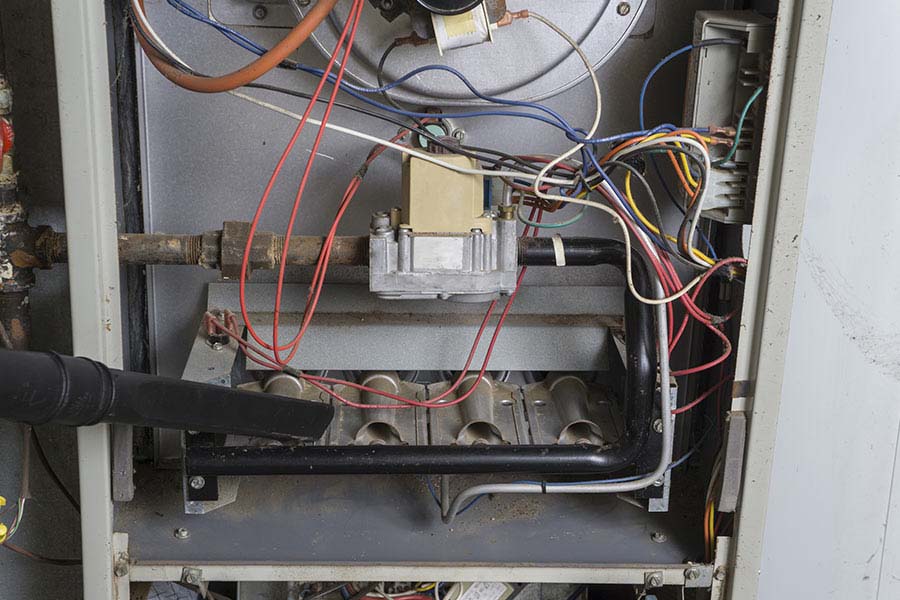
Protecting Your Pittsburgh Home’s Heating System
The six signs described in this article share a consistent pattern: each one is less expensive and less disruptive to address during a planned professional maintenance visit than after the component involved has failed entirely. Pittsburgh winters provide little margin for a heating system that is not in reliable condition, and the households that come through the season most smoothly are the ones where professional attention to the furnace happened in the fall rather than in response to a breakdown in January.
At Spurk HVAC, we have been serving Pittsburgh homeowners with professional furnace maintenance, diagnostics, and repair for over 20 years. Our licensed technicians approach every furnace service visit with a complete system assessment and a clear explanation of what we find and what we recommend before any work begins. To schedule a furnace maintenance visit or discuss a concern about your system’s current condition, contact our team today before the season demands it.