
A slow drain is one of those household problems that is easy to put off. The water drains eventually, the sink or tub clears, and the issue does not feel urgent enough to act on immediately. But in most cases, a slow drain is not a minor inconvenience that will resolve on its own. It is an early sign that something in the drain line is restricting flow, and that restriction tends to worsen progressively until the drain stops working entirely or a more serious plumbing problem surfaces.
In our service calls throughout Hampton Township and the surrounding communities along Route 8 and through the Allison Park and Wexford corridors, slow drains are one of the most common residential plumbing complaints we encounter. Hampton Township’s mix of established neighborhoods like Hampton Hills and newer developments closer to the Turnpike exchange includes homes across a wide range of ages and plumbing configurations, and slow drain causes vary considerably depending on the age of the pipe materials, the usage patterns of the household, and the specific fixture involved.
Understanding what causes drains to slow, what the warning signs of a developing problem look like, and when professional intervention is the right call helps Hampton Township homeowners make informed decisions rather than reactive ones.
Why Drains Slow Down in the First Place
Drain lines work on a straightforward principle: wastewater and the material it carries flow through a pipe with enough slope and diameter to keep solids suspended and moving toward the main sewer line or septic system. When anything disrupts that flow, water backs up and drains more slowly than it should.
The most common culprits in residential drain systems fall into a few consistent categories. Organic buildup, primarily soap residue, hair, grease, and food particles, accumulates on the interior walls of drain pipes over time and gradually narrows the passage water can flow through. In older homes with cast iron or galvanized steel drain lines, interior corrosion and scale buildup accelerate this process. In homes with PVC drain systems, grease and soap accumulation is still common, particularly in kitchen lines where cooking fats enter the drain regularly.
Tree root intrusion is another significant cause of slow drains in Hampton Township properties, particularly in homes with mature landscaping along the lot lines and in backyards adjacent to wooded areas. Roots seek moisture and enter drain lines through hairline cracks and joint gaps, then grow inside the pipe and restrict flow progressively over time. Because this happens underground and out of sight, root intrusion is often not identified until the restriction has become severe.
Venting problems can also cause drains to slow without any blockage being present in the drain line itself. Every properly functioning drain system requires adequate air supply through a vent stack to allow water to flow freely. When a vent stack becomes blocked by debris, bird nests, or structural damage, the negative pressure that builds up in the drain system causes slow draining and the gurgling sounds that often accompany it.
What Slow Drains in Different Fixtures Usually Mean
The location of the slow drain provides useful diagnostic information about where in the system the problem is likely to be found.
A single slow drain. When only one fixture is draining slowly and all others in the home are functioning normally, the restriction is almost certainly in the branch drain line serving that fixture rather than in the main line. A single slow bathroom sink points to soap and hair buildup in the P-trap or the branch line immediately downstream. A single slow shower or tub with no other symptoms points to the same cause in that fixture’s trap and branch.
Multiple slow drains on the same floor or in the same bathroom. When two or more fixtures in close proximity are draining slowly at the same time, the restriction is likely further down the line where those drains share a common branch before connecting to the main stack. This pattern suggests the problem has moved beyond a localized fixture issue and into a section of pipe that serves multiple points of use.
Slow drains throughout the home combined with gurgling at multiple fixtures. When slow drainage is widespread and gurgling sounds occur at toilets, tubs, or floor drains, the restriction is likely in the main sewer line or the main drain stack. This is the most serious slow drain presentation and the one that most commonly precedes a complete sewer line blockage. Main line issues can also produce sewage odors inside the home and, in advanced cases, sewage backup at the lowest fixtures in the house.
Slow kitchen drain with grease odors. Kitchen drain lines accumulate grease, soap, and food debris at a higher rate than bathroom drains. A slow kitchen sink accompanied by odors from the drain is a consistent pattern that points to significant organic buildup in the kitchen branch line, sometimes extending a considerable distance downstream from the sink itself.
The Limits of Store-Bought Drain Cleaners
When a drain slows, the immediate response for many homeowners is to reach for a liquid drain cleaner. These products are widely available and marketed as fast, convenient solutions, but their effectiveness in Hampton Township homes, particularly for anything beyond the mildest and most localized clogs, is limited.
Chemical drain cleaners work through a caustic reaction that generates heat and breaks down organic material. They are reasonably effective on fresh, soft soap and hair clogs directly in the trap or just downstream of it, but they do not dissolve grease accumulation reliably, have no effect on root intrusion, and cannot reach or address restrictions that are more than a short distance from the fixture opening.
More significantly, repeated use of chemical drain cleaners in older plumbing systems causes cumulative damage to pipe materials, joint seals, and the rubber components in traps and shutoff valves. In homes with cast iron drain lines, the caustic chemistry can accelerate corrosion in pipes that are already in a compromised condition. The short-term partial relief these products sometimes provide can also delay professional evaluation at a point where a simpler repair would have been sufficient, allowing the underlying problem to worsen.
The right approach to a slow drain that does not clear with basic maintenance is professional evaluation rather than repeated chemical treatment.
What a Professional Drain Service Involves
When a licensed plumber evaluates a slow drain, the goal is not just to restore flow in the immediate term but to identify what caused the restriction and address it in a way that prevents rapid recurrence.
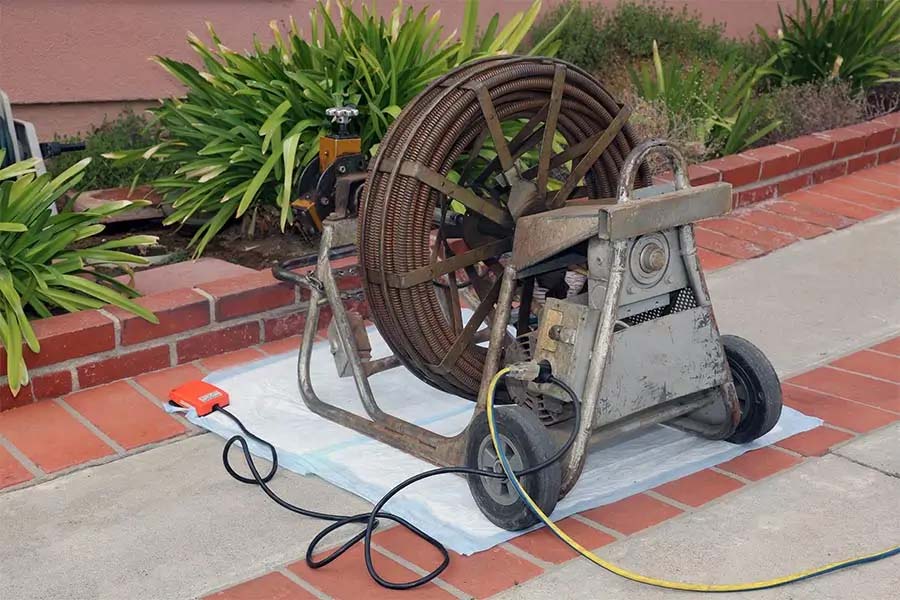
For localized clogs in branch lines, professional drain clearing using a motorized drain snake removes the physical obstruction that chemical cleaners cannot reach. A properly sized snake clears the clog mechanically and allows the technician to assess what material was causing the restriction, which informs the conversation about what preventive measures make sense going forward.
For main line issues or situations where the cause of repeated slow drains is unclear, a drain camera inspection is the most reliable diagnostic tool available. A small waterproof camera is fed through the drain line and transmits live video of the interior pipe condition to the technician. Camera inspection reveals the nature and location of any restriction, whether the pipe walls are in good condition or showing signs of corrosion and scale, whether root intrusion is present, and whether any section of pipe has sagged or collapsed in a way that allows solids to accumulate.
This information drives the repair recommendation. A grease accumulation that has built up over years responds well to hydro jetting, which uses high-pressure water to scour the pipe walls clean rather than simply punching a hole through the clog. Root intrusion that is caught relatively early can often be addressed with mechanical cutting, while roots that have caused structural damage to the pipe may require a section of pipe to be repaired or replaced.
When Slow Drains Connect to a Water Heater Problem
In homes where a slow drain in the utility area is accompanied by sediment or discolored water, the water heater may be a contributing factor worth evaluating at the same time. Sediment that accumulates in the bottom of an aging water heater tank can be disturbed and carried into the plumbing system, contributing to buildup in drain screens, aerators, and in some cases the drain lines themselves.
A water heater that is showing signs of sediment accumulation, corrosion at connections, or reduced hot water output alongside drainage issues is worth having evaluated by a technician who can assess both problems in the same visit. In some situations, water heater repair resolves the water quality issue that is contributing to drain problems. In others, the age and condition of the unit makes water heater replacement the more practical path forward.
Preventive Habits That Reduce Slow Drain Frequency
While not every drain problem can be prevented, a few consistent habits meaningfully reduce the rate at which residential drain lines accumulate the buildup that causes restrictions.
In bathrooms, using a hair catcher in shower and tub drains removes the primary source of trap and branch line buildup before it enters the system. These inexpensive devices capture hair and debris at the drain opening rather than allowing it to accumulate downstream where it is harder to reach and remove.
In kitchens, treating the drain line as a wastewater line rather than a disposal system for cooking fats and food scraps significantly slows the rate of grease accumulation. Cooking fats that are liquid when hot solidify as they cool inside the drain line and accumulate on the pipe walls with each subsequent use. Collecting fats and oils in a container and disposing of them in the trash rather than the drain keeps one of the most persistent contributors to kitchen drain restrictions out of the system entirely.
Annual professional drain maintenance in homes with a history of recurring slow drains, or in older Hampton Township properties where the drain lines have never been inspected, provides a baseline assessment of the system condition and clears developing restrictions before they become complete blockages.
Protecting Your Hampton Township Home’s Plumbing
A slow drain is worth addressing promptly and professionally rather than managing with temporary solutions that allow the underlying problem to worsen. In Hampton Township homes, where the combination of mature landscaping, aging pipe materials in established neighborhoods, and heavy household use creates real and ongoing drain system demands, staying ahead of developing restrictions is considerably less disruptive and less expensive than responding to a complete blockage or a sewage backup.
At Spurk HVAC, our licensed technicians serve Hampton Township and the surrounding communities with professional plumbing diagnostics and drain services. If your drains have been slower than usual or you want a professional assessment of your plumbing system’s condition, contact our team today to schedule a visit at a time that works for your household.