
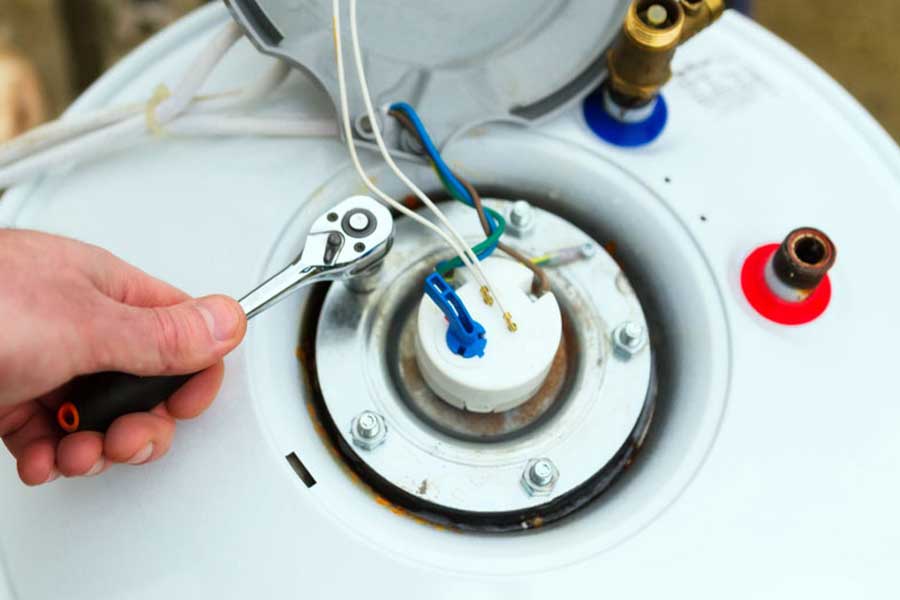
You’re most likely running out of hot water faster because of a low thermostat setting, sediment buildup, a failing heating element, higher household demand, or a water heater that’s too small for your home. Cranberry Township has grown quickly, and many homes along the Route 19 and Route 228 corridors now have more bathrooms and more appliances than their original water heaters were built to handle. In our service calls throughout Cranberry Township, these five causes explain most hot water complaints. Many local basements also house a gas furnace right beside the water heater, so our technicians often check both in a single visit. In addition to furnace repair in Cranberry Township, PA, we diagnose and repair water heaters of all types.
Key Points
- Common causes: Include low thermostat settings, sediment, failing heating elements, increased demand, and undersized tanks.
- Tank size: A water heater should match the number of people and fixtures in your home.
- Sediment: Mineral buildup takes up tank space and makes the heater work harder.
- Thermostat: Around 120°F balances comfort, safety, and energy use for most households.
- Age: Water heaters older than 10 years with recurring problems deserve a professional evaluation.
Common Causes of Hot Water Shortages
Running out of hot water is frustrating, especially on a cold winter morning. The good news is that the cause is usually one of a handful of common problems.
A thermostat set too low will not heat the water enough to last through back-to-back showers. Sediment at the bottom of the tank reduces the amount of hot water the heater can hold. In electric models, a failing heating element is another frequent cause. When either of the two elements stops working, the tank heats only partially.
Demand also plays a role. A new dishwasher, a larger washing machine, or an extra bathroom can drain the supply faster than before. Holiday guests and busy school mornings can also push an older tank past its limit. Sometimes the water heater is simply too small for the household. Finding the real cause is the key to restoring reliable hot water, and a trained technician can pinpoint it quickly.
How Your Water Heater Size Affects Supply
The right-sized water heater keeps hot water available when your household needs it most. A unit that is too small cannot keep up during busy times, such as morning showers or laundry day. An oversized unit wastes energy by heating water you never use.
Sizing depends on the number of people in your home and how much hot water you typically use. A family of four needs more capacity than a couple. The recovery rate, or how quickly the unit reheats water, matters just as much as tank size. Working in homes across Cranberry Township, we often see growing families still relying on the tank that came with the house.
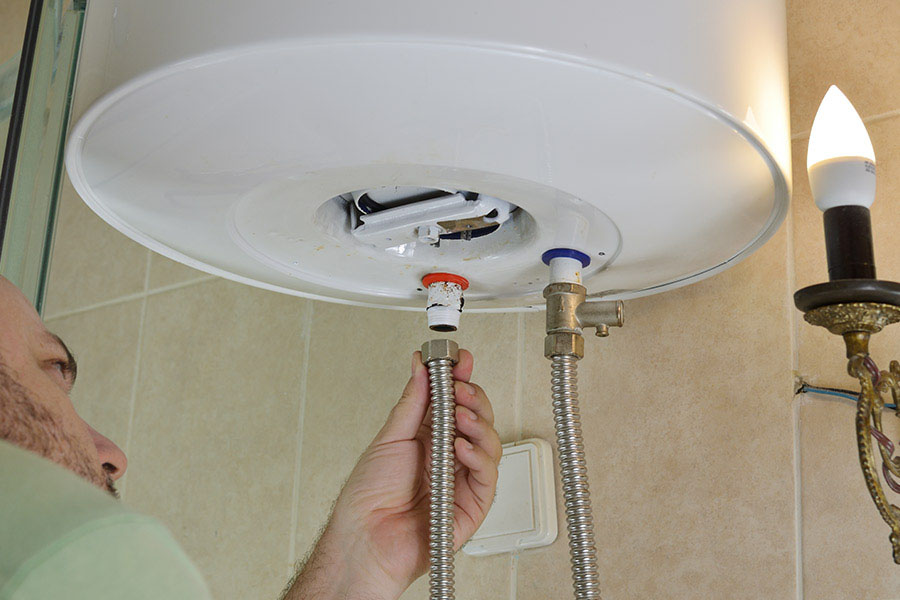
If your current unit no longer fits your needs, our professional water heater replacement and installation services ensure the new system is sized and installed correctly. The right fit improves both your hot water supply and your energy efficiency.
The Impact of Sediment Buildup on Hot Water
Sediment buildup significantly affects the hot water supply and efficiency. Over time, minerals and debris settle at the bottom of the tank. This layer takes up space that should hold hot water.
Sediment also forms a barrier between the burner or heating element and the water. The heater has to run longer to reach the set temperature, so you may run out of hot water sooner. Based on what we see in Cranberry Township properties, the mineral content in local water can speed up this process.
Sediment can also cause corrosion, which shortens the tank’s lifespan and raises energy bills. Professional tank flushing safely removes this buildup. Enrolling in one of our maintenance plans keeps flushing and inspections on a regular schedule, so your supply stays consistent.
Why Do Your Thermostat Settings Matter?
Thermostat settings play an important role in how much hot water you have. A setting that is too low can leave you short on hot water for showers, dishes, and laundry. A setting that is too high wastes energy and increases the risk of scalding.
For most households, a temperature around 120°F provides the right balance. It delivers enough heat for daily needs while keeping energy use and safety risks in check. Frequent adjustments can also add wear to the system. Keeping the setting steady helps the heater run efficiently and last longer. If your water never seems to reach that temperature, the thermostat itself may be faulty. A technician can test it and confirm whether it needs repair or replacement.
When to Call a Professional for Solutions
Some hot water problems point to a deeper issue that needs a trained eye. Call a professional if you notice any of these warning signs:
- Fluctuating temperatures: Water that swings between hot and lukewarm often signals a failing element or thermostat.
- Strange noises: Popping or rumbling sounds usually mean heavy sediment buildup.
- Rising energy bills: Higher costs without a change in usage suggest the heater is working too hard.
- Older equipment: A water heater older than 10 years may be nearing the end of its service life.
Our experienced team at Spurk AC, Furnace & Boiler Repair can accurately diagnose these issues. We provide tailored solutions with upfront pricing, so you know what to expect before any work begins.
Keep Your Showers Running at Their Best
A steady supply of hot water matters in Cranberry Township, PA, especially during our long, cold winters. Most shortages trace back to a few common causes, and each one has a clear solution. Spurk AC, Furnace & Boiler Repair is ready to find the problem and get your hot water flowing again, so schedule your service today and enjoy hot showers without the worry.