
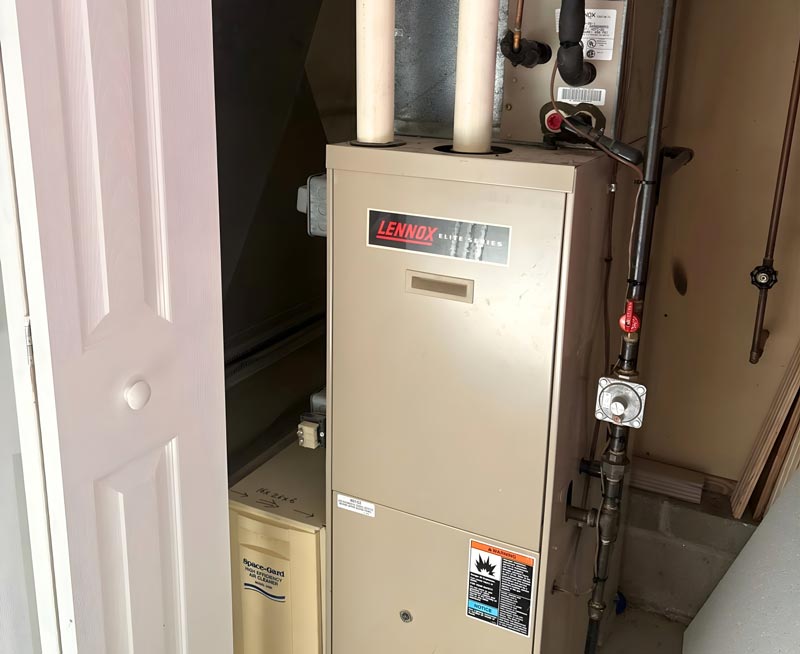
Your furnace most likely smells like burning at startup because of dust burning off, a clogged filter, an overheating blower motor, loose wiring, damaged wire insulation, or a worn component such as a failing limit switch. A brief dusty smell during the first cold snap of fall is usually harmless. A smell that lingers or smells like melting plastic is not. In our service calls throughout Pittsburgh, we see this every October, from older homes in Bloomfield and Lawrenceville to newer builds in the South Hills. If the odor does not fade, professional furnace repair in Pittsburgh, PA is the safest next step.
Key Points
- Dust burn-off: A brief burning smell at first startup of the season is common and usually clears within an hour.
- Airflow problems: Dirty filters and blocked vents can cause overheating and burning odors.
- Electrical issues: Loose connections, damaged insulation, and failing motors can create a hot, electrical smell.
- Safety first: A persistent burning smell or a rotten-egg odor requires immediate professional attention.
- Prevention: Annual maintenance catches most of these problems before the heating season starts.
Common Causes for Burning Smells in Furnaces
When your furnace gives off a burning smell, it’s important to identify the cause quickly. Strange odors often signal an underlying issue.
The most common reason is dust on the furnace components. After months of sitting idle through a humid Pittsburgh summer, dust settles on the burners and heat exchanger. When the system fires up for the first time, the dust burns off, creating a temporary smell. Homes with pets or recent renovations tend to collect more dust, so the smell may be stronger.
Overheating parts are another possible cause. A struggling motor or electrical component can produce a sharper burning scent. A malfunction in the wiring or its insulation can also create burning odors. Ignoring these signs can lead to bigger problems and, in some cases, a fire hazard.
How Dust Buildup Affects Your Furnace Performance
Dust buildup can seriously hurt your furnace’s performance. Over time, dust collects on filters, burners, and heat exchangers. This restricts airflow and lowers efficiency.
A clogged filter forces the furnace to work harder, raising energy bills and causing premature wear. When dust settles on vital components, it can also contribute to overheating. As the furnace struggles to reach the set temperature, it may give off burning odors.
Regular air filter replacement is one of the simplest ways to prevent this problem. Pairing it with a professional tune-up each fall keeps burners and heat exchangers clean before the cold weather arrives.
What Electrical Issues Might Cause a Burning Odor?
A burning odor can indicate electrical problems that require immediate attention. Ignoring the smell can lead to more serious damage. Based on what we see in Pittsburgh properties, these electrical issues are the most common:
- Overheated components: When electrical parts get too hot, their insulation can burn, creating a distinct smell.
- Short circuits: Faulty wiring or connections can short-circuit, leading to overheating and potential fire hazards.
- Failing motors: Worn or damaged blower motors may struggle to run, overheat, and give off unusual odors.
- Loose connections: Wires that are not secured create resistance, which generates heat at the connection point.
A licensed technician should always handle electrical diagnosis. Working on furnace wiring without training puts both you and your home at risk.
The Impact of Faulty Wiring or Components
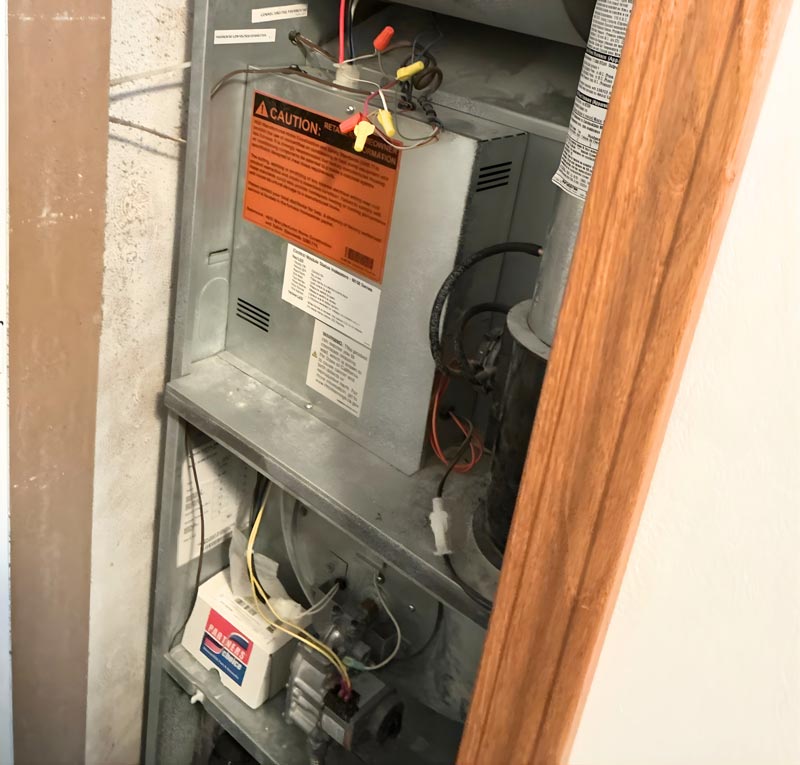
A burning smell at startup can signal faulty wiring or worn components. Many homes in older Pittsburgh neighborhoods still run furnaces wired decades ago. Over time, vibration and heat loosen connections and break down insulation.
Damaged insulation can expose wires and cause short circuits. Incorrect wiring from a past repair can also make components behave unpredictably. When parts malfunction, they can generate excessive heat. This shortens the furnace’s lifespan and creates serious safety risks.
A professional inspection catches these problems before they escalate. If your furnace is old and the problems keep recurring, installing or replacing it may be the safer long-term choice.
Why Overheating Can Lead to Burning Smells
Overheating is one of the most common sources of burning smells. It often starts with restricted airflow from dirty filters or blocked vents. As the furnace struggles to push air through, it builds up extra heat. That heat can burn dust and debris on the heating components.
A malfunctioning blower motor or limit switch can also cause overheating. The limit switch is a safety device that shuts the burners off when the furnace gets too hot. When it fails, the furnace can overheat without shutting down. Ignoring these signs can lead to system failure or a fire. Our technicians test the limit switch and blower motor during every professional furnace maintenance visit, so a failing part is usually caught early.
When to Call a Professional for Help
Some burning smells call for a professional right away. If the smell persists for more than an hour after startup, it likely indicates a more serious issue. Grinding, popping, or squealing noises, along with a smell, may signal mechanical problems. A sudden spike in energy bills can also mean your furnace is struggling. In any of these cases, turn the system off and avoid opening the furnace panels yourself.
If you ever smell rotten eggs, leave your home and call your gas utility immediately. That odor can indicate a gas leak. At Spurk AC, Furnace & Boiler Repair, our licensed technicians can find the source of any furnace odor and fix it safely.
No More Burning Questions This Heating Season
Most burning smells at startup are caused by dust, but electrical problems and overheating components warrant serious attention. Spurk AC, Furnace & Boiler Repair helps Pittsburgh homeowners keep their furnaces safe and reliable through every winter. If a strange smell won’t go away, schedule your furnace inspection and let our team take a look.