
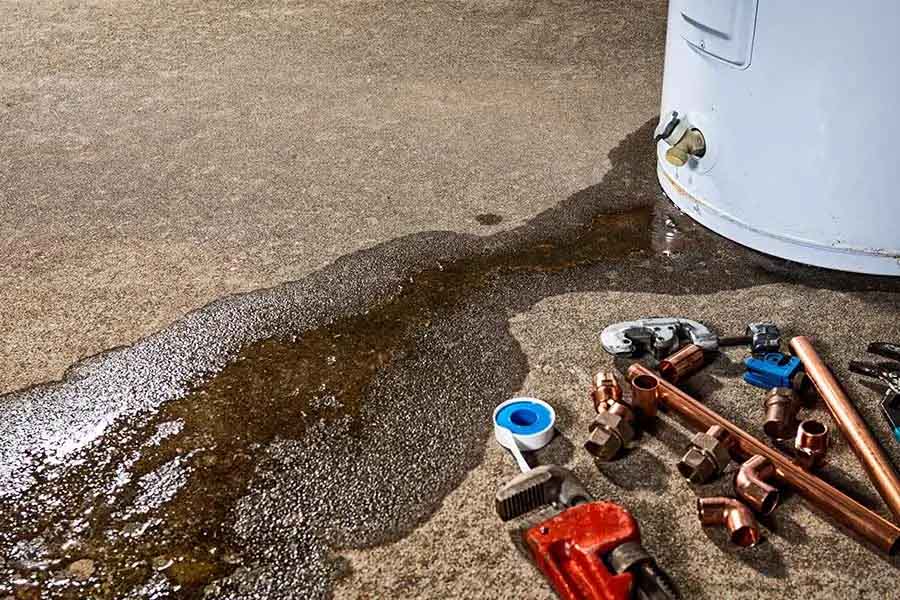
A water heater is one of those appliances that gets little attention until something goes wrong. It runs quietly in a utility room or basement corner, delivering hot water on demand day after day, and most Pittsburgh homeowners give it little thought until the morning arrives when the shower runs cold or they notice a puddle spreading across the floor beneath the unit. By the time a water heater makes itself known through a symptom that is impossible to ignore, the problem has often been developing for weeks or months.
In our service calls throughout Pittsburgh and the surrounding communities, from the South Hills neighborhoods of Mt. Lebanon and Bethel Park to the established residential areas of Squirrel Hill and Shadyside, water heater issues account for a consistent share of the plumbing calls we respond to across all seasons. The region’s mineral-rich water supply and the temperature extremes that Pittsburgh winters and summers place on residential plumbing systems both accelerate the wear patterns that lead to water heater failures. Understanding the six most common problems Pittsburgh homeowners encounter, and recognizing the early signs of each, gives households the opportunity to address issues before they escalate into a full system failure or water damage event.
- Sediment Buildup Reducing Efficiency and Capacity
Pittsburgh’s water supply carries dissolved minerals, primarily calcium and magnesium, that precipitate out of solution and accumulate as sediment at the bottom of a water heater tank over time. This is a gradual process that begins from the day the unit is installed and accelerates as the unit ages. In tank-style water heaters, that sediment layer sits between the heating element or burner and the water above it, acting as an insulating barrier that forces the unit to run longer and consume more energy to heat the same volume of water.
The symptoms of significant sediment accumulation include a popping, rumbling, or cracking sound from the tank during heating cycles, which is caused by water trapped beneath the sediment layer being heated to the point of vaporization. Hot water output may also decrease as the sediment layer thickens and displaces water volume in the tank. Energy bills may rise as the unit runs less efficiently. And in advanced cases, the sustained heat exposure to the tank bottom caused by the insulating sediment layer accelerates corrosion and can shorten the service life of the unit considerably.
Annual flushing of the tank removes accumulated sediment before it reaches a level that affects performance and accelerates wear. A technician performing routine water heater maintenance will evaluate sediment accumulation, assess whether flushing is sufficient or whether the unit’s condition warrants further evaluation, and advise on the appropriate service interval given the local water mineral content and the age of the equipment.
- A Failing Anode Rod
The anode rod is one of the most important and least discussed components in a conventional tank water heater. It is a metal rod, typically made of magnesium or aluminum, suspended inside the tank and designed to corrode preferentially in place of the steel tank walls. Through an electrochemical process, the anode rod attracts the corrosive elements in the water and sacrifices itself so that the tank itself does not corrode. When the anode rod is depleted and no longer functional, tank corrosion accelerates rapidly.
Most water heater manufacturers recommend inspecting the anode rod every two to three years and replacing it when it has been depleted to a fraction of its original diameter. In practice, this maintenance step is one of the most frequently skipped in residential water heater care, and many Pittsburgh homeowners discover that the anode rod in their unit has been fully depleted for years by the time a technician has the opportunity to evaluate it.
A depleted anode rod does not immediately cause a visible problem, which is part of why it goes unaddressed. The consequences accumulate invisibly inside the tank as corrosion progresses through the steel walls. By the time rust-colored hot water, metallic odors, or active tank leakage appear, the tank itself has often been compromised beyond what repair can address, and replacement becomes the only practical path forward.
- Temperature and Pressure Relief Valve Issues
Every tank water heater is equipped with a temperature and pressure relief valve, commonly called a TPR valve, which is a critical safety component. Its function is to open and discharge water if the temperature or pressure inside the tank exceeds safe limits, preventing the kind of catastrophic failure that an over-pressurized tank can produce. A TPR valve that is functioning correctly is one that opens when it should and reseats reliably when pressure and temperature return to normal levels.
Problems with TPR valves present in two distinct ways. A valve that discharges water periodically, either in a visible stream from the discharge pipe or as moisture around the valve body, may be responding to legitimate over-pressure or over-temperature conditions in the system, or it may be a valve that is no longer reseating properly after each discharge cycle. Either situation warrants professional evaluation.
A valve that has never discharged and has never been tested may have a seized or corroded mechanism that will not open when called upon. TPR valves should be tested periodically as part of routine water heater maintenance to confirm they are operational. A valve that does not lift freely during testing should be replaced immediately. In Pittsburgh homes where water heaters are more than ten years old and the TPR valve has never been serviced, having a technician evaluate the valve condition is a straightforward safety step that is consistently worth taking.
- Inconsistent or Insufficient Hot Water
A water heater that is no longer delivering the hot water volume or temperature consistency the household depends on is one of the more disruptive problems a homeowner can experience, and it is also one of the problems with the widest range of potential causes. The appropriate diagnostic approach depends on the type of water heater involved and the specific nature of the shortfall.
In tank-style gas water heaters, a failing thermocouple or thermopile can cause the pilot light to go out repeatedly or prevent the main burner from igniting reliably, producing intermittent hot water or no hot water at all. A deteriorating dip tube, which is the plastic tube that directs incoming cold water to the bottom of the tank, can break and allow cold water to mix with the heated water at the top of the tank, reducing the effective hot water volume the unit can deliver.
In electric water heaters, a failed heating element is the most common cause of reduced or absent hot water. Most electric tank heaters have two elements, upper and lower, and the failure of either one reduces the unit’s capacity and recovery rate. Element failure is relatively straightforward to diagnose and address when caught early through professional water heater repair, and it is considerably less disruptive and expensive than dealing with a unit that has been allowed to deteriorate to the point of tank failure.
For Pittsburgh households where demand has grown since the water heater was originally sized, such as through an addition, increased occupancy, or the addition of a soaking tub or multiple shower heads, the existing unit may simply no longer be adequately sized for current usage. In those situations, the most practical resolution may be upgrading to a larger capacity unit or transitioning to a tankless water heater that can meet demand without the constraints of a storage tank.
- Leaks at Connections, Valves, and the Tank Itself
Water heater leaks range in severity from minor drips at fittings that are straightforward to address to active tank leakage that requires immediate replacement. The location of the leak provides the most important diagnostic information, and identifying where the water is originating from is the first step in determining the appropriate response.
Leaks at the supply and return connections are commonly caused by corrosion at the nipple fittings where the water lines connect to the tank, or by deteriorated pipe joint compound or thread sealant on those connections. These fittings are under constant exposure to moisture and temperature cycling and can be among the first connection points to develop leakage as a unit ages. In most cases, replacing the corroded fittings and connections resolves the leak without requiring work on the tank itself.
Leaks at the TPR valve discharge pipe may indicate a valve that is releasing periodically due to over-pressure or over-temperature conditions, a valve that is no longer reseating properly, or a valve whose discharge line has developed a leak separate from the valve itself. Each of these causes requires a different response and professional evaluation to distinguish between them.
A leak originating at the base of the tank, or visible corrosion and mineral staining on the tank body itself, almost always indicates that the tank has been compromised internally. Once the steel walls of a water heater tank are breached, the leak will progress rather than stabilize, and water heater replacement is typically the only reliable resolution. Attempting to repair an actively leaking tank body is rarely practical or long-lasting, and the risk of the situation worsening rapidly makes prompt action the right approach.
- An Aging Unit Approaching the End of Its Service Life
The average service life of a conventional tank water heater is eight to twelve years, with well-maintained units in areas with favorable water chemistry occasionally lasting longer. In Pittsburgh, where the regional water supply characteristics and the temperature demands of cold winters and warm summers place steady wear on residential water heating equipment, units toward the upper end of that range deserve proactive evaluation rather than continued operation until failure.
An aging water heater that has not been regularly maintained is carrying the accumulated effects of years of sediment buildup, anode rod depletion, and component wear. It is operating less efficiently than it did when new, potentially delivering reduced hot water capacity, and working under the increasing risk of a tank failure that produces significant water damage to the surrounding area. In Pittsburgh homes where the water heater is in a finished basement or a utility room adjacent to living space, a tank failure that goes undetected for even a short period can produce costly damage to flooring, walls, and stored belongings.
The most practical approach to an aging water heater is a professional evaluation that assesses the current condition of the unit, identifies any active concerns, and provides an honest comparison of the expected cost and reliability of continued service versus replacement with a new unit. A technician can help determine whether the remaining useful life of the existing unit justifies continued investment or whether proactive replacement before failure is the more economical and lower-risk path.
For Pittsburgh homeowners considering replacement, the evaluation is also an opportunity to assess whether the household’s hot water needs, energy efficiency goals, or available space make a tankless water heater or a heat pump water heater a better long-term fit than a direct replacement of the existing tank-style unit.
Protecting Your Pittsburgh Home’s Hot Water Supply
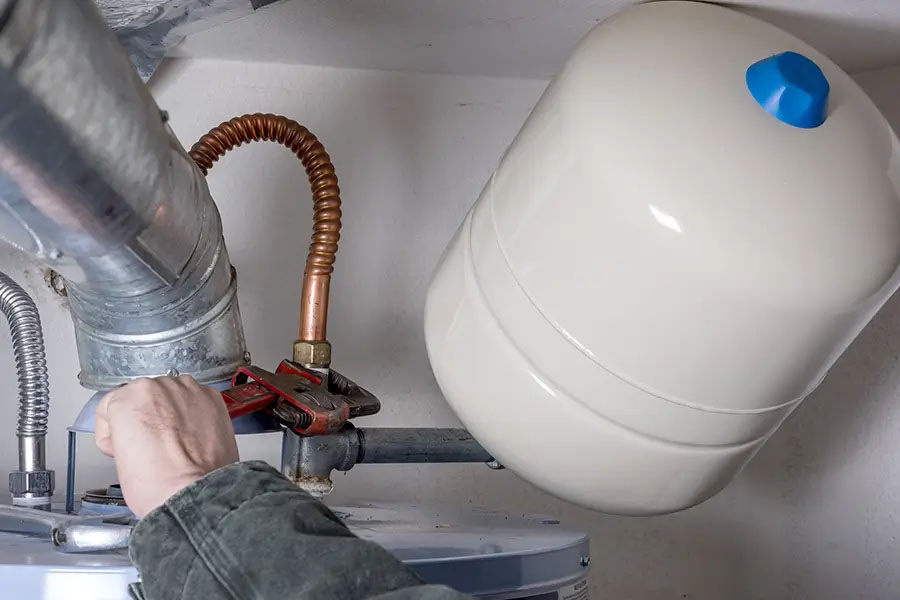
The six problems covered in this article share a common thread: each one is more manageable and less expensive to address when identified and acted on early than when allowed to progress to the point of system failure or water damage. Routine professional attention to water heater condition, combined with awareness of the symptoms that indicate a developing problem, gives Pittsburgh homeowners the best opportunity to stay ahead of issues rather than responding to them after the fact.
At Spurk HVAC, we serve Pittsburgh and the surrounding communities with professional water heater diagnostics, repair, and replacement. Our licensed technicians assess the condition of your equipment honestly and present your options clearly so you can make a confident, informed decision. To schedule a water heater inspection or discuss a concern about your current unit, contact our team today and let us help you protect one of the most essential systems in your home.