
There is a particular kind of frustration that comes with an air conditioner that is clearly running but failing to deliver the comfort it should. The system is on, the vents are blowing, the thermostat is set where it always has been, and yet the house feels warm and stuffy. For Wexford homeowners dealing with this situation, the problem is rarely a mystery once a qualified technician takes a systematic look at the system and the conditions surrounding it.
In our service calls throughout Wexford and the communities along Perry Highway and through the Warrendale and North Park areas, this is one of the most common complaints we hear during July and August. Western Pennsylvania’s combination of high summer humidity and afternoon heat puts residential cooling systems under sustained pressure, and several underlying issues tend to reveal themselves under those conditions that might go unnoticed during milder weather. Understanding what is most likely driving the problem is the first step toward resolving it.
- The Refrigerant Charge Is Low
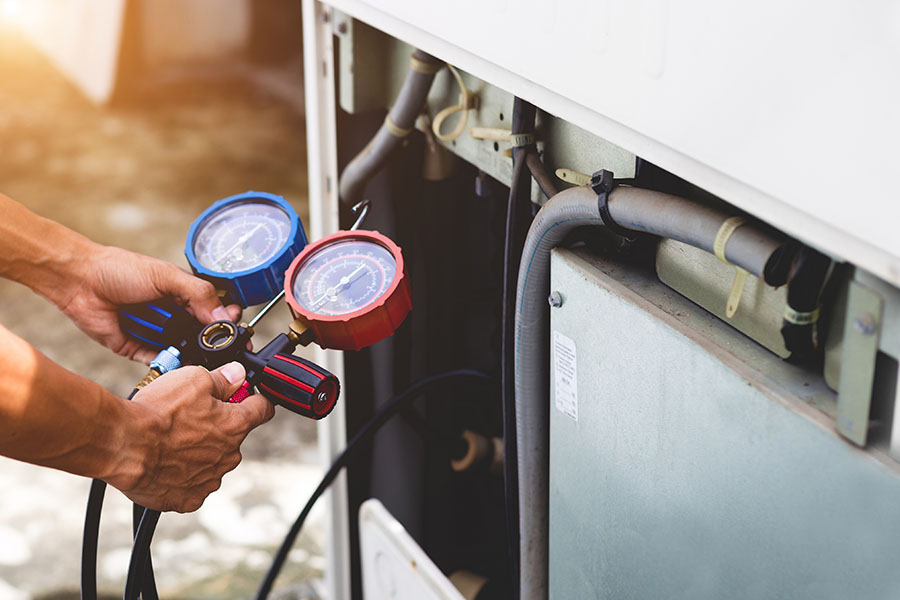
Refrigerant is the substance that makes the heat exchange process possible. It absorbs heat from the indoor air at the evaporator coil, carries it outside, and releases it through the condenser coil. When the refrigerant charge drops below the level the system was designed to operate at, the system’s capacity to absorb and transfer heat is reduced, and the indoor temperature climbs as a result.
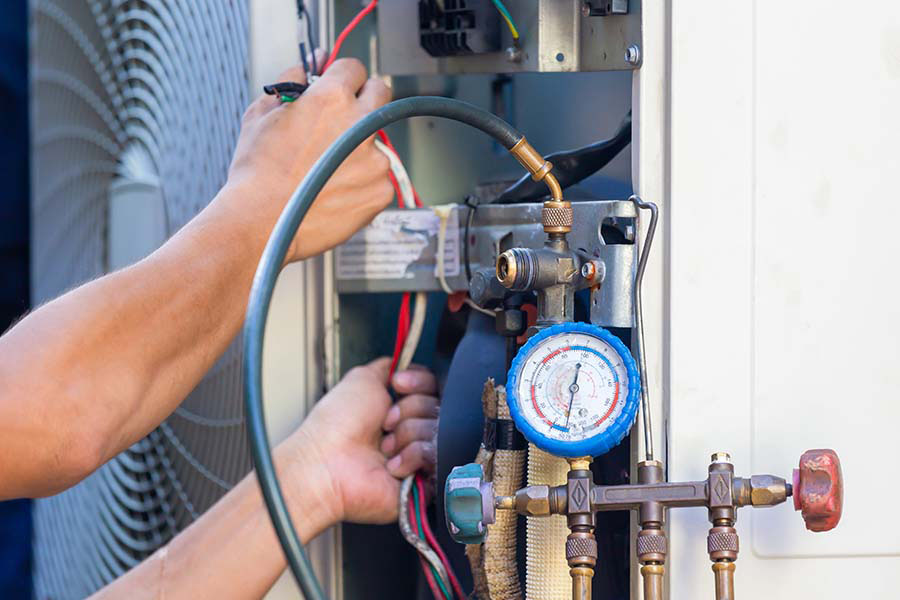
Refrigerant does not deplete under normal operation. The only reason the charge decreases is because refrigerant is escaping somewhere in the sealed refrigerant circuit through a crack, pinhole, or failed joint. Running the system without locating and repairing the leak first means the same problem will recur after any recharge. A technician will measure system pressures, identify the charge deficit, find and repair the leak, and restore the correct refrigerant level before confirming system performance.
Low refrigerant also causes the evaporator coil to run colder than it should, which can cause ice to form on the coil and refrigerant lines. Ice on the coil blocks airflow and shuts down cooling output, which leaves the house warm while the system appears to be running normally. If you have noticed ice on the lines connected to your indoor unit or outdoor unit, that is a strong indicator that refrigerant and airflow conditions both need professional evaluation.
- The Condenser Coil Is Dirty or Obstructed
The outdoor condenser unit is responsible for releasing the heat your system has pulled from the indoor air. To do that effectively, the condenser coil needs clean fin surfaces and unrestricted airflow on all sides. When the coil becomes coated with dirt, pollen, cottonwood, or debris, its ability to transfer heat to the outdoor air is reduced, and the system compensates by running longer and working harder without fully recovering the indoor temperature.
In Wexford, where many residential lots have mature landscaping and outdoor units surrounded by ornamental plantings, airflow restriction around the condenser is a common finding. Beyond vegetation, the coil fins themselves accumulate debris throughout the spring and summer. By midsummer, a coil that was clean at the beginning of the season may be meaningfully fouled, particularly in wooded or high-pollen environments near North Park and the Warrendale hillsides.
Professional AC coil cleaning removes accumulated debris from both the condenser and evaporator coil surfaces, restoring the heat transfer efficiency the system was designed to deliver. This service alone often produces a noticeable improvement in cooling performance in homes where coil fouling has been developing over one or more seasons.
- The Air Filter Is Overloaded
A heavily loaded air filter restricts the volume of air that moves across the evaporator coil, which directly reduces the amount of heat the system can pull from the indoor air during each run cycle. The system runs longer to compensate, but with restricted airflow it cannot fully reach the thermostat setpoint, and the house remains warmer than it should.
Filter condition is one of the most frequently overlooked variables in residential AC performance. A filter that was installed at the beginning of the season may be significantly loaded by July, particularly in households with pets, older ductwork, or high occupancy. During peak cooling season, when the system runs for extended periods each day, filter loading accelerates faster than during moderate weather when the system cycles infrequently.
Checking the filter monthly during summer and replacing it as soon as significant loading is visible is a straightforward habit that has a direct impact on comfort. Consistent attention to AC and furnace air filter replacement through the cooling season removes one of the most common contributors to inadequate cooling from the equation entirely.
- The Home Has Significant Air Leaks or Poor Insulation
An air conditioner can only condition the air that stays inside the home. When conditioned air escapes through gaps around windows, doors, recessed lighting, attic hatches, or penetrations in the building envelope, the system must run continuously to replace what is being lost. In homes where the air leakage rate is high, the system may never fully catch up on a hot afternoon regardless of how well it is functioning mechanically.
Poor attic insulation compounds this problem significantly. Heat accumulates in an underinsulated attic throughout the day as the roof absorbs solar radiation, and that heat radiates downward into the living space continuously. In Wexford, where many homes in established neighborhoods along Ingomar Road and through the Wildwood area were built before current energy code requirements, inadequate attic insulation is a common finding that contributes directly to high indoor temperatures during peak summer days.
A home energy audit identifies where the most significant air leakage and insulation deficiencies are occurring and prioritizes the improvements that will have the greatest impact on cooling performance. In many Wexford homes, sealing and insulation upgrades reduce the effective cooling load enough that the existing AC system can maintain comfort that it previously struggled to achieve.
- The Ductwork Is Leaking Conditioned Air
In forced-air systems, the duct network is the delivery mechanism that carries cooled air from the air handler to every room in the home. When ducts develop gaps, cracks, or failed seals at connections and joints, a portion of that conditioned air escapes into attics, crawl spaces, wall cavities, and other unconditioned spaces before it reaches the living area. The air handler is producing cooled air, but not all of it arrives where it is needed.
Duct leakage is one of the more invisible contributors to inadequate home cooling because the escaping air goes somewhere homeowners rarely observe. Based on what we see in Wexford properties, particularly in homes where the original ductwork has never been inspected or sealed, leakage rates of 20 percent or more of total conditioned air volume are not unusual. That leakage translates directly into a home that feels warmer than it should given the system’s apparent operation.
HVAC ductwork repair performed by a qualified technician locates and seals leaks throughout the duct system, restoring the delivery efficiency the system was designed to provide. In homes where duct leakage has been significant, the improvement in room-by-room comfort after sealing is often noticeable immediately.
- The System Is the Wrong Size for the Home
An air conditioning system that is not correctly sized for the home it serves will always struggle to maintain comfort under peak demand conditions, regardless of how well it has been maintained. Both undersizing and oversizing create problems, though they manifest differently.
An undersized system runs continuously during hot weather because it simply does not have sufficient capacity to overcome the cooling load the home presents. Wexford homes that have had additions built, sunrooms enclosed, or basement spaces finished since the original system was installed may have a cooling load that now exceeds what the existing equipment was sized to handle. On mild days the system manages adequately, but on the hottest days of the summer the gap between capacity and demand becomes apparent.
An oversized system short-cycles, reaching the thermostat setpoint quickly and shutting off before it has adequately dehumidified the indoor air. The result is a house that reaches the temperature setpoint but feels clammy and uncomfortable because the humidity has not been addressed. Occupants respond by lowering the thermostat, which keeps the system running in shorter cycles that still never fully manage the moisture load.
If the system is more than ten to twelve years old, was installed without a proper load calculation, or if the home has changed meaningfully since installation, a technician can evaluate whether the current equipment is correctly matched to the home’s actual cooling requirements. Where it is not, a properly sized AC installation and replacement resolves the performance shortfall in a way that no amount of maintenance on the existing unit can replicate.
- Humidity Is Overwhelming the System
Wexford summers are defined as much by humidity as by heat. The region sits close enough to the Ohio Valley and Lake Erie moisture tracks that relative humidity regularly climbs into the 70 to 80 percent range during July and August, and that humidity makes indoor air feel considerably warmer than the thermometer indicates. A home at 76 degrees with 70 percent relative humidity feels noticeably warmer and more uncomfortable than the same temperature at 50 percent humidity.
A properly functioning air conditioner removes moisture from the indoor air as part of the cooling process, but in some homes the humidity load exceeds what the AC system can manage on its own. This is particularly common in homes with basement moisture intrusion, crawl space vapor issues, or significant air leakage that continuously introduces humid outdoor air into the conditioned space. When the humidity load is genuinely beyond the system’s dehumidification capacity, occupants feel warm even when the thermostat setpoint is being maintained.
In these situations, targeted humidity management works alongside the air conditioning system to address what the AC alone cannot resolve. A whole-home dehumidifier allows the air conditioner to maintain comfort at a higher temperature setpoint by reducing the humidity component of perceived warmth, which reduces system runtime and delivers more consistent comfort through the hottest and most humid stretches of the Wexford summer.
Staying Comfortable in Your Wexford Home This Summer
A home that feels hot despite a running air conditioner is almost always experiencing one or more of the issues described above, and in many Wexford homes two or three of these factors are present simultaneously. The encouraging reality is that all of them are correctable once properly identified. What they share is that accurate diagnosis by a licensed technician produces a much more targeted and effective resolution than guesswork or repeated refrigerant top-offs without finding the root cause.
At Spurk HVAC, we have been helping Wexford homeowners diagnose and resolve cooling performance issues since 2018. Our licensed technicians work through a complete evaluation of both the equipment and the conditions affecting it, and we explain our findings and recommendations clearly before any work begins. To schedule a diagnostic visit or seasonal maintenance appointment, contact our team today and let us help you get ahead of the problem before the next heat wave arrives.