
The last thing any Pittsburgh homeowner wants on a hot, humid July afternoon is a broken air conditioner. By the time summer arrives in full force, HVAC companies are fielding emergency calls around the clock, lead times for service stretch out, and repair costs climb. The most reliable way to avoid that situation is also the simplest: schedule professional maintenance before the season begins.
Spring is the ideal window. Temperatures are mild, your system hasn’t yet been asked to carry a full cooling load, and technicians have availability that disappears quickly once the heat settles in. In our service calls across the Pittsburgh area, the systems that hold up best through summer are almost always the ones that received professional attention in April or May, before the strain began.
Why AC Maintenance Matters
The U.S. Department of Energy is direct on this point: neglecting regular HVAC maintenance leads to equipment degradation and increased energy consumption. A system that hasn’t been serviced runs harder to achieve the same results, costs more to operate, and is more likely to fail at the moment it’s working hardest.
Routine AC maintenance is not about fixing what’s broken. It’s about confirming that everything is operating correctly, catching developing issues before they become failures, and keeping the system running at the efficiency level it was designed for. Over the course of a Pittsburgh summer, that efficiency difference shows up on your utility bills every month.
What a Professional AC Tune-Up Covers
A thorough maintenance visit examines every major component in your system. Here is what a qualified technician should be checking during a comprehensive AC tune-up:
Air filter inspection and replacement:
A clean filter is one of the most impactful factors in system performance. Restricted airflow from a dirty filter reduces efficiency, increases operating costs, and puts unnecessary strain on the blower motor and other components. Filter condition should be assessed at every visit.
Evaporator and condenser coil cleaning:
These two coils work together to remove heat and moisture from your indoor air and expel it outside. When coils accumulate dirt, their ability to transfer heat degrades, which reduces cooling capacity and efficiency. Coil condition is particularly important in Pittsburgh’s humid summers, where the evaporator coil is managing both temperature and moisture simultaneously.
Condenser fan motor testing:
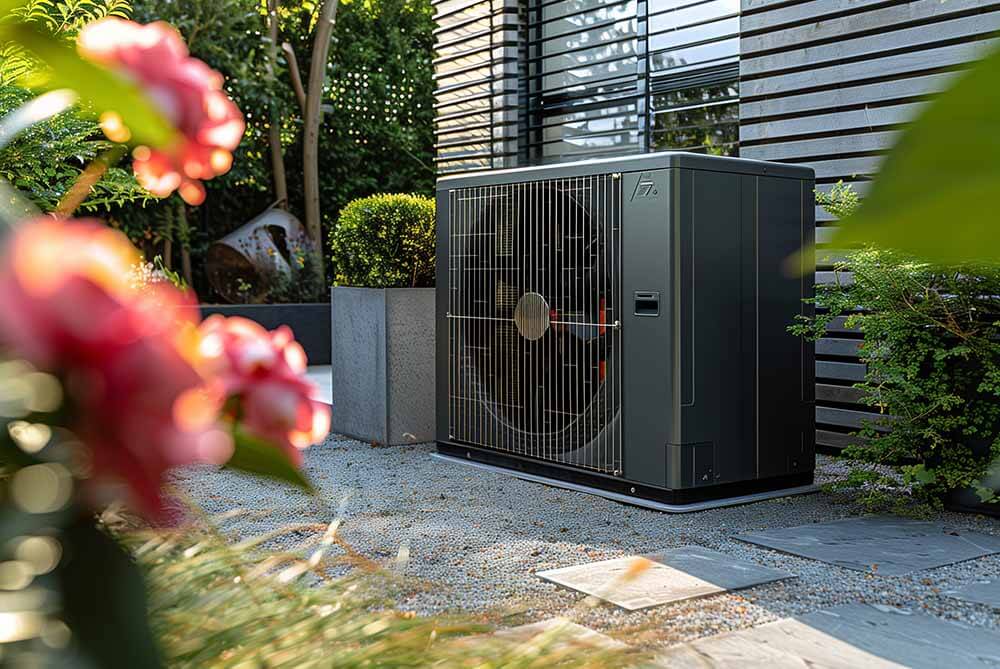
Unless your home uses a heat pump, the outdoor unit has been dormant through winter. Testing the condenser fan motor confirms it is operating within manufacturer specifications before the system is asked to run consistently through warm weather.
Condensate drain and trap inspection:
A blocked condensate drain is one of the more common sources of property damage we encounter. When the drain line is clogged, water backs up into the drain pan, increasing indoor humidity and potentially causing water damage to walls, flooring, and ceilings. Drain lines should flow freely and maintain a proper pitch to a floor drain or condensate pump.
Capacitor testing:
Capacitor failure is one of the leading causes of air conditioner breakdowns during summer. Testing this component annually and replacing it when readings fall outside of spec is a straightforward way to prevent a failure on the hottest day of the year.
Electrical connections and safety devices:
Inspecting wiring connections, breakers, and contactors confirms the system is operating safely. Corrosion and wear in electrical components can develop gradually and go unnoticed until they cause a more significant problem. Catching them during a routine visit is far less disruptive than diagnosing them during an emergency call.
Compressor operation test:
The compressor is the core of your outdoor unit and one of the most expensive components in the system. Annual testing confirms it is operating correctly and provides a baseline for identifying changes in performance over time.
The Value of Consistent Annual Maintenance
A single maintenance visit delivers real value, but the full benefit of professional maintenance compounds over time. Technicians who service your system year after year develop familiarity with its condition and history, which makes it easier to identify subtle changes that might indicate a developing problem.
Working in homes throughout Pittsburgh, Cranberry Township, Wexford, and the surrounding communities, we regularly find that systems receiving consistent annual service outlast comparable equipment that was maintained sporadically. The components last longer, efficiency holds closer to the original rated performance, and the likelihood of an unexpected mid-season failure drops significantly.
For homeowners interested in combining spring AC maintenance with fall heating service, our Comfort Club Membership provides two 21-point safety inspections per year along with reduced service fees, a 15% discount on repairs, priority scheduling, and additional benefits that make year-round system care more straightforward and cost-effective.
Don’t Wait Until the Heat Arrives
Spring maintenance appointments fill up as temperatures begin to climb. The homeowners who schedule early have more flexibility in timing, more technician availability, and the confidence of knowing their system has been checked before it’s needed most.
Whether your system is relatively new or approaching the end of its service life, consistent maintenance is the single most reliable thing you can do to protect its performance and longevity. If a tune-up does reveal an issue that warrants attention, addressing it in the spring on your schedule is a very different experience from managing an AC repair during a heat wave.
At Spurk HVAC, we have been helping Pittsburgh-area homeowners prepare their systems for summer since 2018. Schedule your AC tune-up today and head into the season with confidence.