
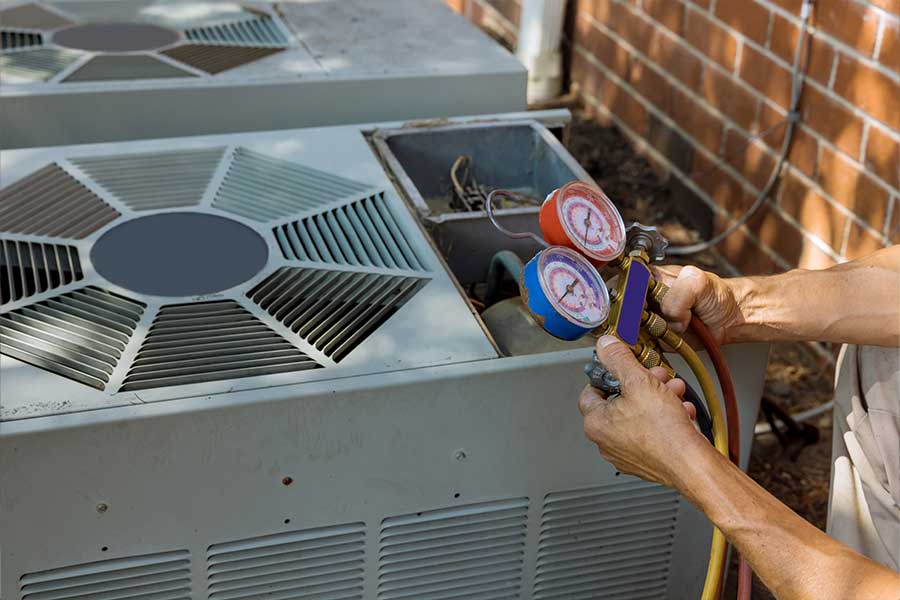
Refrigerant leaks, contamination, or an incorrect charge are among the most common reasons a heat pump in Wexford stops heating or cooling effectively. These issues show up as lukewarm air, ice on the coils, rising energy bills, or unusual noises, and they require a licensed technician to diagnose, repair the leak, and recharge the system to the manufacturer’s specification.
How Does a Heat Pump Use Refrigerant to Heat and Cool a Wexford Home?
A heat pump works year round, using refrigerant to absorb heat from the outside air and move it indoors during the winter, then reversing that process to cool your home in the summer. That versatility is what makes a single system capable of handling both jobs.
Every heat pump has an outdoor unit, which houses the compressor, and an indoor unit, which contains the air handler, connected by refrigerant lines. Proper airflow, the correct refrigerant charge, and healthy electrical components all have to work together for the system to run efficiently. Understanding these core parts makes it easier to recognize when something is off and a repair is needed.
Common Refrigerant Problems That Lead to Heat Pump Repair
Refrigerant is what allows a heat pump to move heat in either direction, so problems with it tend to affect performance quickly. The most common issues we see include:
- Refrigerant leaks, where a small leak causes a gradual loss of refrigerant over time, reducing efficiency and heating or cooling capacity.
- Refrigerant contamination, where dirt, moisture, or other impurities damage internal components and clog the system.
- Improper refrigerant charge, where either too much or too little refrigerant prevents the heat pump from functioning correctly.
- Refrigerant type mismatch, where using the wrong refrigerant for the system causes compatibility issues and can lead to system failure.
Because these problems often start small and worsen gradually, catching them early with a qualified heat pump repair visit protects both your comfort and your system’s long term performance.
What Are the Signs of a Refrigerant Leak in a Heat Pump?
If your heat pump isn’t heating or cooling your Wexford home the way it used to, refrigerant is one of the first things worth checking. Air coming from the vents that feels lukewarm instead of properly heated or cooled is a common early sign, along with ice buildup on the indoor or outdoor coils, which tends to happen once refrigerant levels drop below normal.
A noticeably higher energy bill can also point to a refrigerant issue, since a low charge forces the system to work harder to reach the same temperature. Hissing or bubbling sounds near the unit are another indicator worth having checked right away. If you’re seeing any of these signs, our AC and heat pump repair team in Wexford can pinpoint the cause and get your system back to normal operation.
How Are Refrigerant Problems Diagnosed and Repaired?
Diagnosing a refrigerant issue starts with a thorough visual inspection of the system, followed by checking refrigerant pressures against the manufacturer’s specifications. From there, a technician tests for leaks using an electronic leak detector or a UV dye and blacklight system to pinpoint the exact source.
Once the leak is located, the repair process involves recovering the remaining refrigerant, repairing the leak itself, and recharging the system to the correct level for your specific equipment. Our technicians are fully licensed and trained on current refrigerant handling standards, so your heat pump is restored to full working condition rather than just topped off temporarily.
Why Does Regular Heat Pump Maintenance Matter in Wexford?
Refrigerant issues are far easier to catch during a scheduled visit than during a breakdown in the middle of a cold snap or a humid summer stretch. During an annual heat pump maintenance visit, a technician checks refrigerant levels, cleans the coils, and verifies that electrical components are functioning correctly.
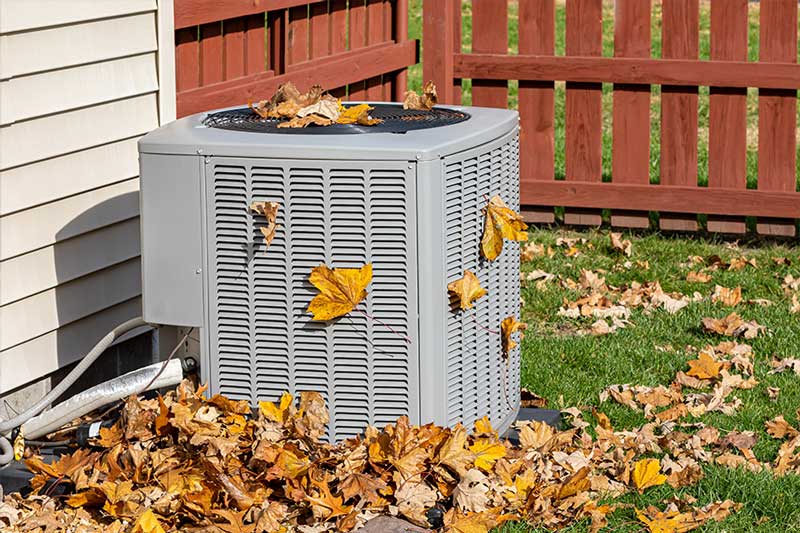
Coils in particular collect dirt and debris over time, which reduces heat transfer and forces the system to work harder. A coil cleaning service as part of routine maintenance helps prevent the kind of gradual efficiency loss that often gets mistaken for a refrigerant problem. Skipping maintenance tends to shorten a heat pump’s lifespan and drive up utility costs, while consistent care keeps the system running efficiently for years.
Reliable Heat Pump Performance for Your Wexford Home
A properly functioning heat pump depends on refrigerant staying at the right level and free of contamination, which is exactly what a trained technician checks for during both repairs and routine maintenance. Spurk AC, Furnace & Boiler Repair has helped Wexford homeowners diagnose and resolve refrigerant issues for more than 20 years, and our technicians are equipped to get your system back to full efficiency. Schedule your heat pump repair today and keep your home comfortable through every season.
Frequently Asked Questions
What does it mean if my heat pump has low refrigerant?
Low refrigerant almost always means there’s a leak somewhere in the system, since heat pumps are sealed and don’t use up refrigerant through normal operation. A technician needs to locate and repair the leak before recharging the system, rather than simply adding more refrigerant.
How much does it cost to repair a heat pump refrigerant leak?
Cost depends on where the leak is located and how much refrigerant needs to be recharged afterward. A technician can provide an accurate estimate once they’ve inspected your system and identified the source of the leak.
Can I add refrigerant to my heat pump myself?
No, handling refrigerant requires EPA certification and specialized equipment, so this should always be done by a licensed technician. Adding refrigerant without repairing an underlying leak also wastes money and continues releasing refrigerant into the atmosphere.
How often should heat pump refrigerant levels be checked?
Refrigerant levels should be checked at least once a year as part of routine heat pump maintenance. Homes that rely heavily on their heat pump for both heating and cooling may benefit from more frequent checks.
What happens if a refrigerant leak isn’t repaired?
An unrepaired refrigerant leak gets worse over time, leading to reduced efficiency, higher energy bills, and eventually compressor damage if the system runs too low on refrigerant for too long. Addressing a leak early is almost always less expensive than dealing with the damage it can cause later.