
Installing central air in a Pittsburgh home typically costs between $3,500 and $15,000 depending on system type, ductwork condition, and home size, with larger homes or new ductwork pushing well past $20,000. The biggest ways to control that cost are choosing the right system for your home’s actual needs and getting a proper load calculation before you buy anything.
Understanding the Real Cost of Air Conditioning

No one wants to spend money on a new air conditioner. It’s an appliance, just like your refrigerator, dishwasher, or dryer, but with a price tag that puts it in a different category entirely. Your air conditioner, and your furnace, are often the most expensive appliances in your home. The good news is there are real ways to save and make sure you’re getting the best possible return on that investment. As of 2026, installing central air conditioning, including the unit itself, typically ranges from around $3,500 to $15,000 on average, with larger homes, multiple zones, or extensive new ductwork pushing well past $20,000. Part of that increase reflects the industry’s shift to newer, lower impact refrigerants, which has added modestly to equipment costs across the board. The price tag varies widely depending on the type of system you need, the condition of your existing air ducts, your existing duct design, your electrical setup, the type of fuel available, and more.
What Factors Affect the Cost to Install Central Air?
The price of the air conditioning unit itself is only one piece of the total cost. It may be possible that you need air ducts installed or modifications made to your current ducts, and you’ll also need a qualified professional to perform the work. If you’re ready to get a real number for your home, AC installation in Pittsburgh starts with an in-home evaluation rather than a guess over the phone.
Pre-Installation Evaluation

A Manual J load calculation is the first step in a proper installation. Simply put, Manual J is a process developed by the Air Conditioning Contractors of America to accurately assess how much heating and cooling your home actually needs. Before Manual J became standard practice, most contractors and homeowners relied on a traditional rule of thumb, which often resulted in HVAC choices that weren’t as efficient or cost effective as they could have been. In many older homes here in the Pittsburgh area, we still see an astounding number of units that are grossly oversized or vastly undersized for the space they’re meant to serve. An accurate load calculation also makes choosing a new system much easier, since it lets you narrow down your options to whatever offers the best efficiency and performance for your specific home.
Ductwork and Design

After the Manual J load calculation, your contractor should check the systems an air conditioner relies on, especially ductwork, to confirm they can actually handle central air. Existing ducts sometimes can’t manage the airflow of a modern system, and your home may lack the space to run a refrigerant line to the exterior or room for a properly sized coil or vents. Any upgrades or modifications needed to accommodate a new system will likely increase the total installation cost, but they help you avoid high energy bills and rooms that never quite feel right.
Choosing the Right Equipment
Once your home’s performance and support systems have been evaluated, it’s time to select an air conditioning unit. Depending on the size and structure of your home, you’ll generally choose from a few main types.
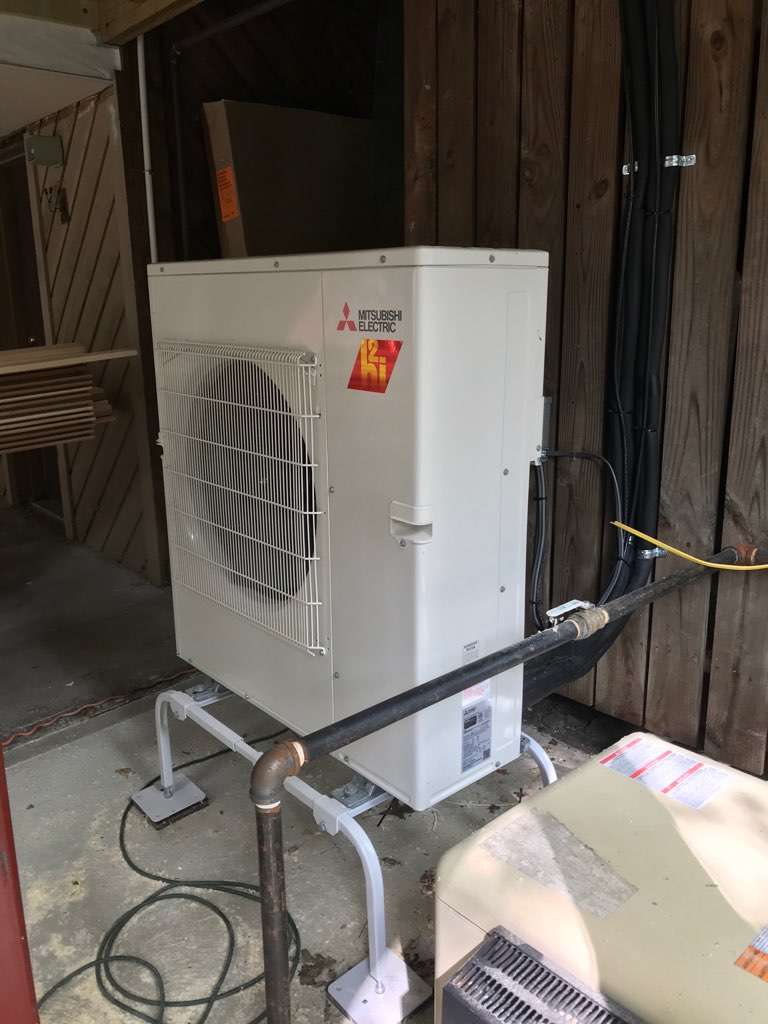
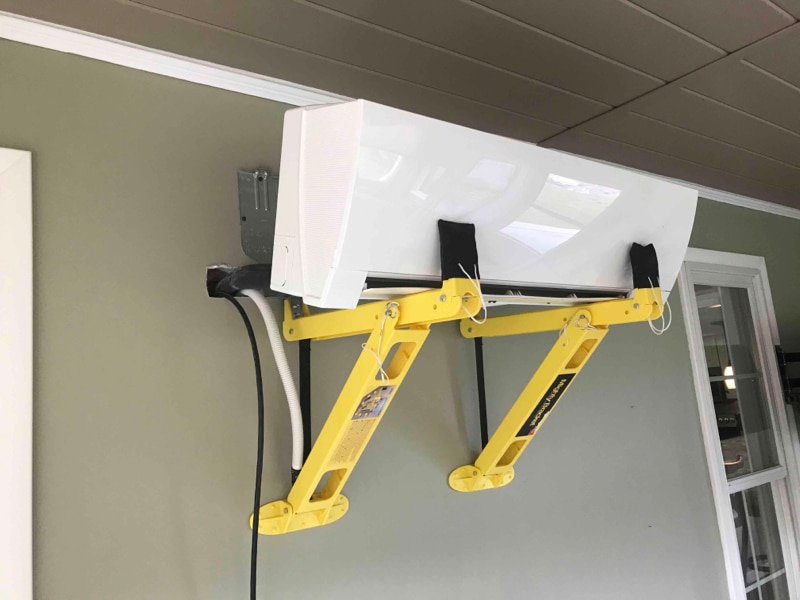
Ductless Systems
Often called ductless mini-splits or ductless heat pumps, these systems have three main elements: the condensing unit, the evaporator coil, and the air handler. The condensing unit sits outside and looks like a large metal box with a fan, while the evaporator coil and air handler live inside. Ductless mini split installation tends to be most economical in homes that already have a furnace, and these systems are generally quiet, efficient, and affordable to maintain.

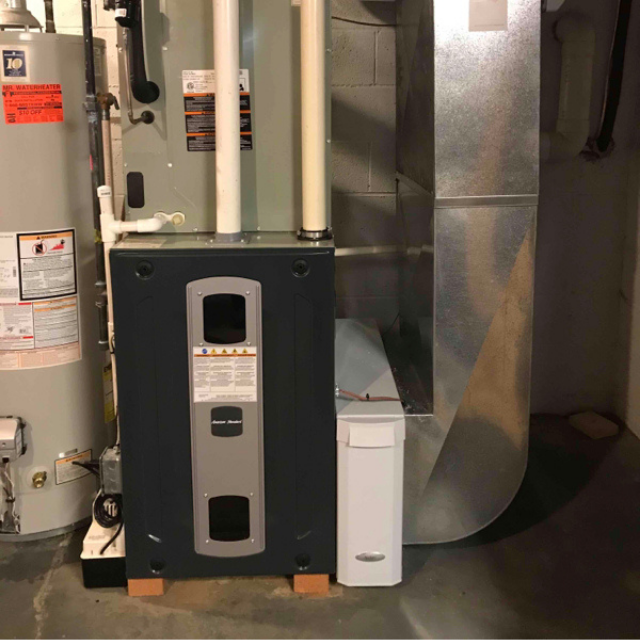
Standard Central System
The most common setup in our area, a standard central system consists of an outdoor condenser unit paired with an indoor furnace.
Heat Pumps
A heat pump acts as both an air conditioner and a furnace in one system. Heat pump installation can be an efficient option, especially when paired with an existing gas furnace in what’s called a hybrid system. Standalone heat pumps tend to work best in milder climates, since the unit extracts hot air from your home and sends it outside in summer, then pulls outdoor heat inside during winter. In a hybrid setup, the paired furnace kicks in automatically once the weather gets cold enough that it becomes the more efficient choice.
How Size Affects Cost
In addition to system type, cost varies by size. An air conditioner’s capacity to cool is measured in tons, and residential systems generally range from 1.5 to 5 tons. Bigger isn’t automatically better. Your unit’s size should be determined by the load calculation mentioned earlier, not a guess based on square footage. It’s also worth not choosing a unit based solely on its SEER2 rating. A high SEER2 system costs more upfront but will still waste energy if it’s installed improperly.
Installation and Labor
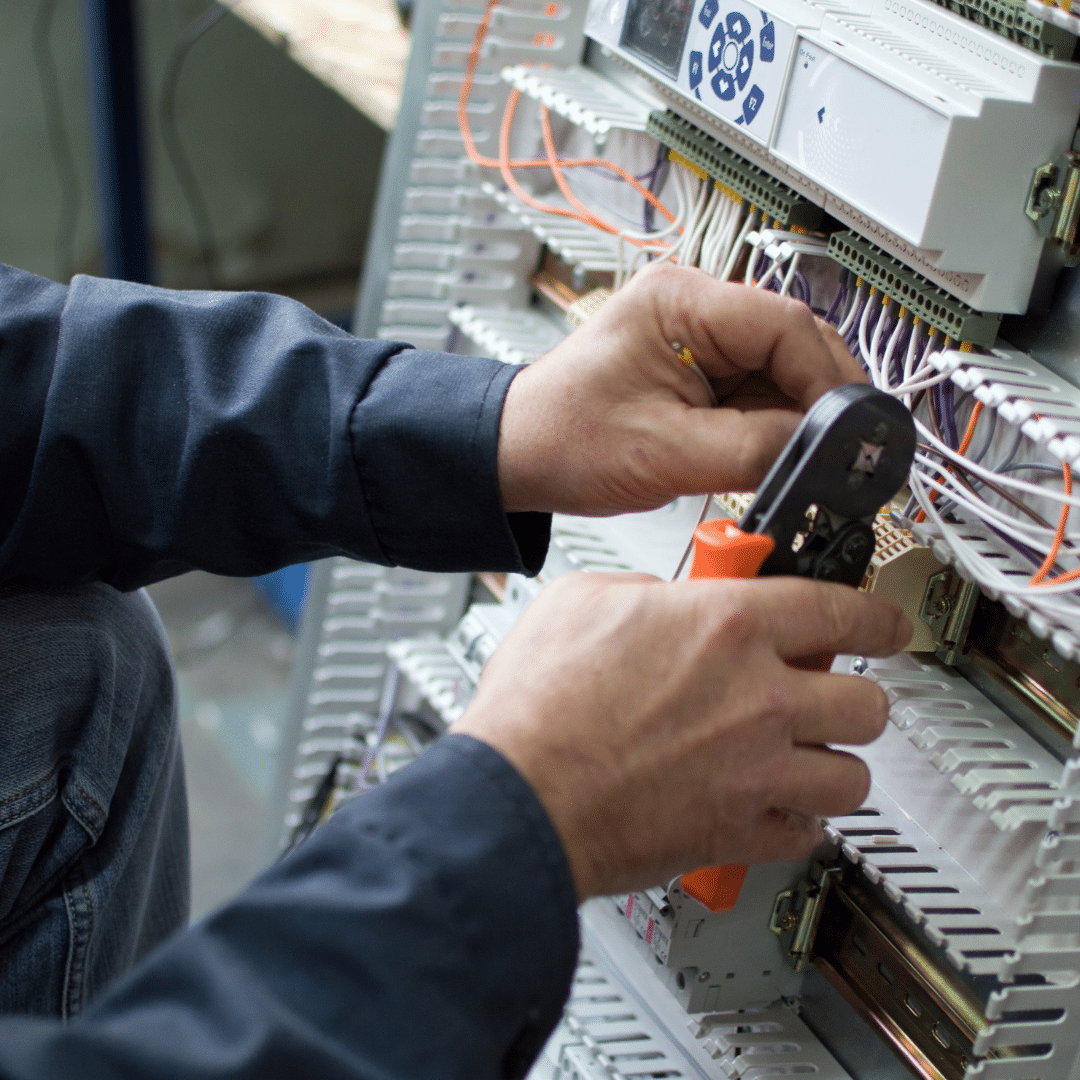
An HVAC contractor’s size and location affect the cost to install central air, and we’d strongly caution against getting too hung up on chasing the lowest bid. There’s a reason the old saying about good, fast, and cheap rarely allowing for all three still holds up. Finding a professional who does the job right the first time is worth the extra time and expense. To find a high quality HVAC contractor, read online reviews and ask friends for referrals, search for contractors through the Air Conditioning Contractors of America, compare estimates from at least three companies, and ask plenty of questions about qualifications and standards before committing to anyone.
How Can You Control Central Air Installation Costs?
Examine Your Cooling Needs
If you’re an empty nester or mostly home in the evenings, a ductless mini-split might make more sense than a full central system. These setups combine an outdoor compressor and condenser with indoor blower units that can be installed on almost any exterior wall. If ductless isn’t the right fit, ask about the smart air conditioning technology available today or schedule a free consultation to talk through your options.
Time It Right
HVAC contractors are consistently busiest during the hottest and coldest months of the year. Scheduling your installation in the shoulder seasons, spring and fall, often means faster turnaround, since crews aren’t stretched as thin. Equipment lead times can still fluctuate depending on the specific model and the ongoing industry shift to new refrigerant types, so ask your contractor for a realistic timeline before you commit to a start date.
Look for Equipment Rebates and Incentives
Local governments, utility companies, and manufacturers all promote high efficiency air conditioners through financial incentives from time to time. The federal tax credit that used to apply to residential HVAC purchases expired at the end of 2025, so it’s no longer available for a 2026 installation, but state and utility rebate programs are still active in many areas and generally still require ENERGY STAR certification to qualify. It’s worth checking what’s currently available in your area before finalizing your purchase.
Getting the Most From Your Pittsburgh AC Installation
The cost of a new air conditioner can feel like a lot to take in all at once, but a proper load calculation, the right equipment for your specific home, and a contractor who does the job correctly the first time all go a long way toward protecting that investment. Since 2018, Spurk AC, Furnace & Boiler Repair has helped Pittsburgh-area homeowners navigate exactly this decision. When you’re ready to talk through your options or schedule service, contact our team today for a free consultation.
Frequently Asked Questions About AC Installation Costs
How much does it cost to install central air conditioning?
Central air installation typically costs between $3,500 and $15,000 depending on system type, home size, and ductwork condition, with larger homes or new ductwork pushing costs well past $20,000. A proper in-home evaluation is the only way to get an accurate number for your specific situation.
What is a Manual J load calculation and why does it matter?
A Manual J load calculation is a standardized process for determining exactly how much heating and cooling a home needs, developed by the Air Conditioning Contractors of America. Skipping this step often leads to a system that’s the wrong size for the home, which wastes energy and shortens the equipment’s useful life.
Is a ductless mini-split cheaper than central air?
It depends on the home. Ductless systems tend to be more economical in homes that already have a furnace or that don’t have existing ductwork to tie into, while central air often makes more sense for homes already set up with ducts. A contractor can compare both options against your specific setup.
Are there still tax credits for installing a new air conditioner?
The federal tax credit that used to apply to residential AC installations expired at the end of 2025 and is not available for equipment installed in 2026. State and utility rebate programs are still active in many areas, and most still require ENERGY STAR certified equipment to qualify.
When is the best time of year to install central air?
Spring and fall tend to offer the fastest turnaround, since HVAC contractors are busiest during the peak summer and winter months. Scheduling outside of peak season can also make it easier to get your preferred equipment without a long wait.