
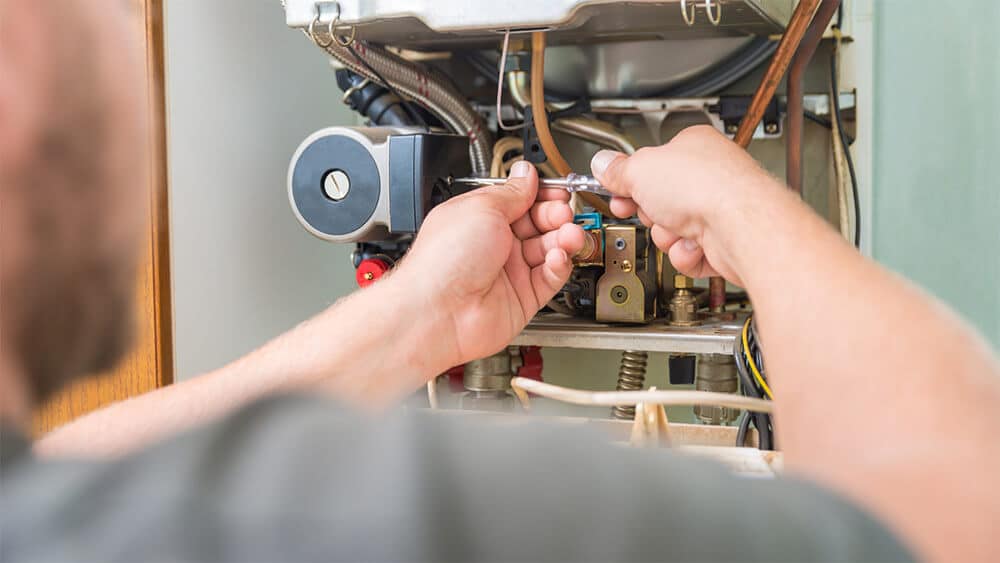
A furnace gas valve controls how much natural gas or propane flows into your furnace to create heat, based on signals from the thermostat. It ignites the flame, regulates temperature, and includes safety features to prevent leaks. When it fails, a Cranberry Township home can lose heat entirely or face a genuine safety hazard.
What Is a Furnace Gas Valve?
The furnace gas valve is the heart of your home’s heating system. Its primary job is to regulate the flow of natural gas or propane into the furnace, ignite the flame, and carefully manage temperature to meet your home’s heating needs. When a furnace gas valve malfunctions, it doesn’t just make the system less efficient, it also raises real safety concerns, including the potential for a gas leak. In our service calls throughout Cranberry Township, from newer developments off Freedom Road to older homes nearer the Route 19 corridor, gas valve issues are one of the more common reasons a furnace stops producing heat during a cold snap.
How Does a Furnace Gas Valve Work?
A furnace gas valve controls the flow of gas into the furnace based on signals it receives from the thermostat, making sure the right amount of gas is delivered for the heat you’ve requested. Safety features are built in to help prevent gas leaks and other hazards, and in some cases, modern valves can modulate gas flow for more efficient, more comfortable heating throughout the house. There are primarily two types of gas valves in use today.
Single Stage Gas Valve
A single-stage gas valve, common in older furnace models, operates with just two settings, on and off, using a solenoid to control gas flow. When it activates, it releases heat at full capacity, which can lead to excessive energy consumption and a problem known as short cycling, where the furnace turns on and off too frequently and disrupts overall heating efficiency.
Two Stage Gas Valve
A two-stage gas valve is the more modern, more efficient option, and it’s what we generally recommend for Cranberry Township homes. It offers a high fire and a low fire setting, automatically switching between the two based on thermostat signals, which avoids the energy spikes and short cycling common with single-stage valves. If you’re due for a furnace installation or replacement, upgrading to a two-stage valve is worth discussing with your technician.
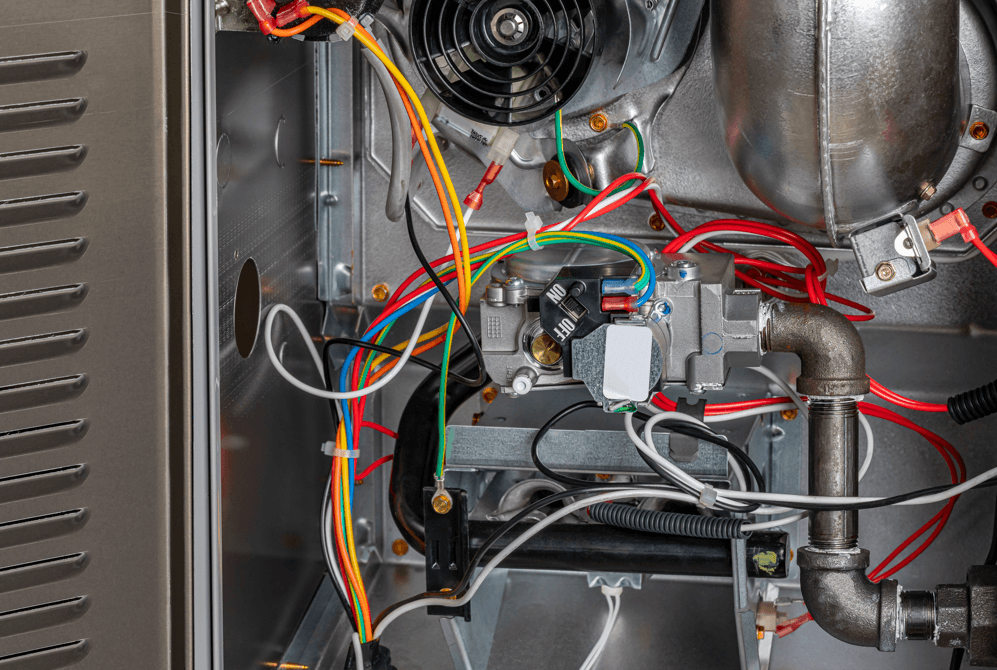
Furnace Gas Valve Problems in Cranberry Township Homes
A furnace gas valve is essential to heating your home, but when it develops a problem, the consequences can range from a costly repair to a genuine safety risk for your family. A faulty or broken gas valve can lead to a range of problems, including:
- Gas leaks
- Carbon monoxide poisoning
- Insufficient heating
- Short cycling
- Safety shutoff
- Pilot light problems
- Spikes in your heating bill
Regular maintenance and inspection through a routine furnace maintenance visit go a long way toward catching these issues early, but once a problem shows up, it needs a qualified technician right away. Safety should always come first with any gas powered appliance.
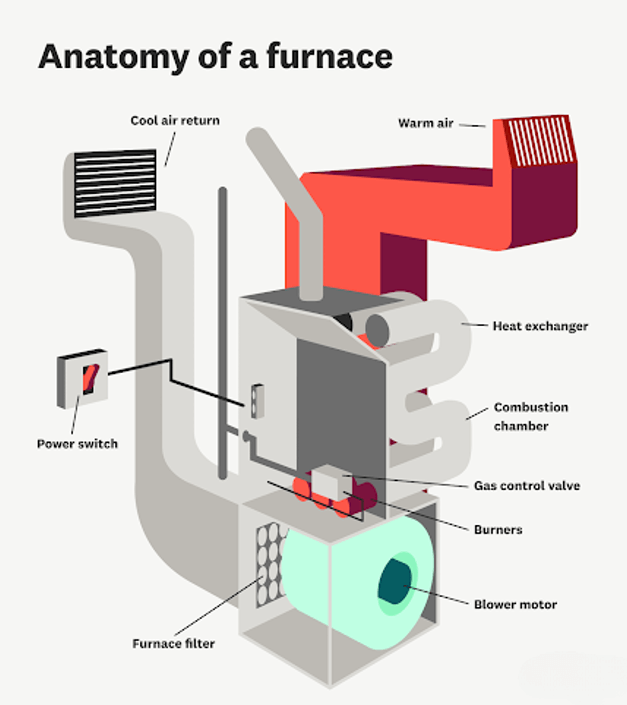
Staying Ahead of Gas Valve Issues
For homeowners who want peace of mind without having to remember to schedule service every year, we offer a seasonal maintenance plan that keeps your furnace, including its gas valve and other critical components, on a consistent inspection schedule. Cranberry Township winters can turn cold fast, and a furnace that’s been checked before the season starts is far less likely to leave you without heat when you need it most.
Trusted Furnace Repair for Cranberry Township Homes
Working on a component as precise as a furnace gas valve takes real expertise. Our trained HVAC professionals bring more than 20 years of combined experience to every furnace repair in Cranberry Township, and we carry a complete range of services to keep your system working safely all winter long. If you notice your furnace gas valve isn’t operating properly, don’t wait, contact our team today and we’ll get a technician out to inspect and resolve the issue, day or night, with 24 hour emergency service when you need it most.
Frequently Asked Questions About Furnace Gas Valves
What are the signs of a bad furnace gas valve?
Common signs include a furnace that won’t produce heat, short cycling, a pilot light that won’t stay lit, a noticeable rise in your heating bill, or a smell of gas near the unit. Any of these symptoms, especially a gas smell, should be treated as a reason to shut off the system and call a technician right away.
Is a two stage gas valve worth the upgrade?
For most homes, yes. A two stage gas valve delivers more even heat, avoids the energy spikes that come with single-stage models, and reduces the short cycling that adds wear to your system. The higher upfront cost is usually offset over time by better efficiency and fewer repairs.
How much does it cost to replace a furnace gas valve?
Cost varies depending on the valve type and furnace model, since a single-stage replacement is generally less expensive than upgrading to a two-stage valve. A technician can diagnose the exact issue and provide an accurate quote before any work begins.
Can a bad gas valve cause a carbon monoxide leak?
Yes, a malfunctioning gas valve can contribute to improper combustion, which increases the risk of carbon monoxide entering your home. This is one of the main reasons gas valve issues should never be ignored, and why a working carbon monoxide detector is essential in any home with gas heat.
How often should a furnace gas valve be inspected?
A furnace gas valve should be checked during your furnace’s annual maintenance visit, ideally before the heating season begins. Regular inspection catches wear and minor issues long before they turn into a safety hazard or a complete loss of heat.