
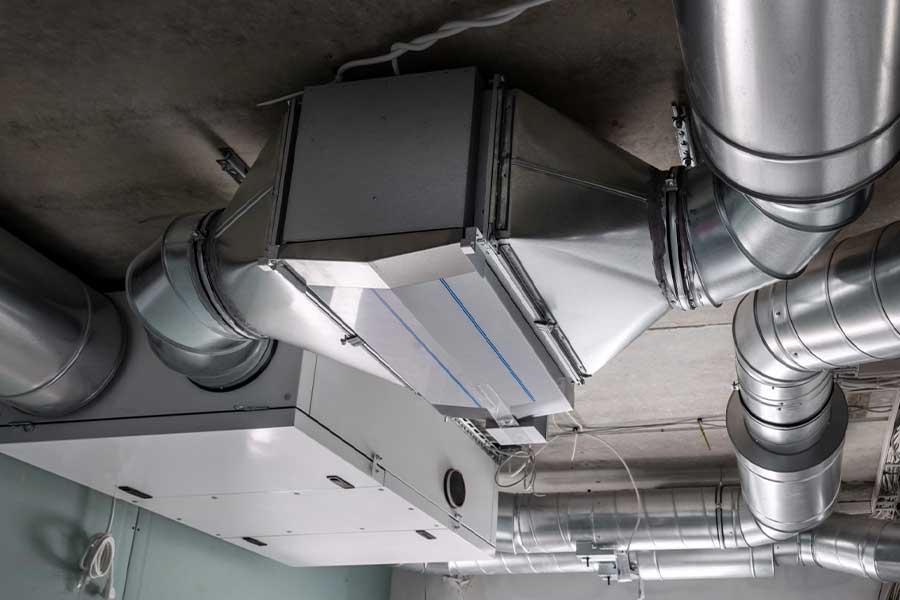
The seven commercial ventilation requirements that Sewickley restaurant and retail owners should know are local code compliance, proper outdoor airflow, kitchen exhaust systems, fresh-air intake, health and safety standards, routine maintenance, and a correctly selected system. Sewickley Village is full of character, and many shops and restaurants along Beaver Street operate in older brick buildings that were never designed for modern ventilation loads. In our service calls throughout Sewickley, we often find storefronts relying on rooftop or split systems that handle both cooling and ventilation. When those systems fall behind, our team provides AC repair in Sewickley, PA, along with full ventilation assessments.
Key Points
- Codes: Pennsylvania’s Uniform Construction Code adopts the International Mechanical Code, which sets ventilation requirements for commercial spaces.
- Airflow: Required outdoor air depends on occupancy and floor area, so restaurants usually need more than retail shops.
- Kitchen exhaust: Commercial cooking requires hoods and exhaust systems that remove heat, smoke, and grease.
- Fresh air: Makeup air replaces the air that exhaust fans remove and helps maintain balanced building pressure.
- Maintenance: Routine service and documentation support both system performance and inspections.
Understanding Local Ventilation Regulations in Sewickley, PA
Understanding local ventilation regulations is an important part of running a restaurant or retail space in Sewickley, PA. These rules exist to protect the health and comfort of customers and employees.
Codes set specific requirements for air quality, exhaust systems, and overall airflow. Following them helps you avoid fines, failed inspections, and costly retrofits. Food service businesses are also subject to inspections by the Allegheny County Health Department.
Because requirements can change, it’s wise to work with local authorities and an experienced HVAC contractor. A qualified contractor can guide you through the permitting and inspection process and help you meet the required specifications. Good ventilation also improves the customer experience, which encourages repeat visits.
Essential Airflow Standards for Restaurants and Retail Spaces
Airflow standards help keep restaurants and retail spaces comfortable. The right balance of fresh air and temperature control improves customer satisfaction and employee productivity.
Required outdoor air rates are calculated from the number of occupants and the size of the space. A busy dining room needs far more fresh air than a quiet boutique. Your system should also adapt to changing occupancy, such as a packed Friday night or a slow weekday afternoon.
Vent placement matters too. Well-placed supply and return vents prevent stagnant air and promote even circulation. Adding energy recovery ventilators can bring in fresh air while recovering heating and cooling energy that would otherwise be lost.
Importance of Proper Exhaust Systems in Commercial Kitchens
Proper exhaust systems are essential for a safe and efficient commercial kitchen. They remove heat, smoke, and grease from cooking areas, which keeps the kitchen safer for staff and more pleasant for guests.
Without a reliable exhaust system, air quality suffers quickly. Grease buildup in hoods and ducts also creates a serious fire hazard. Commercial kitchen exhaust systems are generally designed and maintained to NFPA 96 fire safety standards. Exhaust systems also help manage humidity, which protects equipment and extends its lifespan.
Regular commercial HVAC maintenance keeps the rest of your system working in step with your kitchen exhaust.
The Role of Fresh Air Intake in Customer Comfort
Fresh air intake works hand in hand with exhaust. When kitchen fans pull air out, makeup air must replace it. Without enough makeup air, doors become hard to open, drafts pull in from outside, and odors drift into the dining room.
A balanced intake system makes your space feel fresher the moment customers walk in. It reduces stuffiness and odors and helps control humidity during busy hours. Based on what we see in Sewickley properties, humid summer air rising off the Ohio River makes humidity control especially important. Comfortable customers tend to stay longer and come back more often.
Compliance With Health and Safety Codes in Ventilation
Ventilation plays a direct role in meeting health and safety standards. OSHA guidelines regulate workplace air quality, while local health authorities inspect food service operations.
Good compliance starts with proper airflow and humidity control, since both affect air quality. Monitoring carbon dioxide levels can also show whether your space is getting enough fresh air. Keeping records of maintenance and repairs helps demonstrate compliance when an inspector visits.
Regular inspections reduce the risk of mold, poor air quality, and other hazards. Staying proactive protects your customers, your staff, and your reputation.
Regular Maintenance Tips for Effective Ventilation Systems
Routine maintenance keeps ventilation systems running smoothly and helps you avoid costly repairs. A solid maintenance program includes these steps:
- Routine inspections: Our technicians check key components and catch small issues before they become expensive problems.
- Filter service: Filters should be checked monthly and replaced as needed to protect airflow and reduce strain.
- Ductwork checks: Leaks, blockages, and worn sections waste energy and lower air quality.
- Rooftop unit care: Many Sewickley businesses rely on rooftop equipment that needs regular attention.
Our commercial rooftop HVAC services cover the units that handle cooling, heating, and fresh air for many local storefronts.
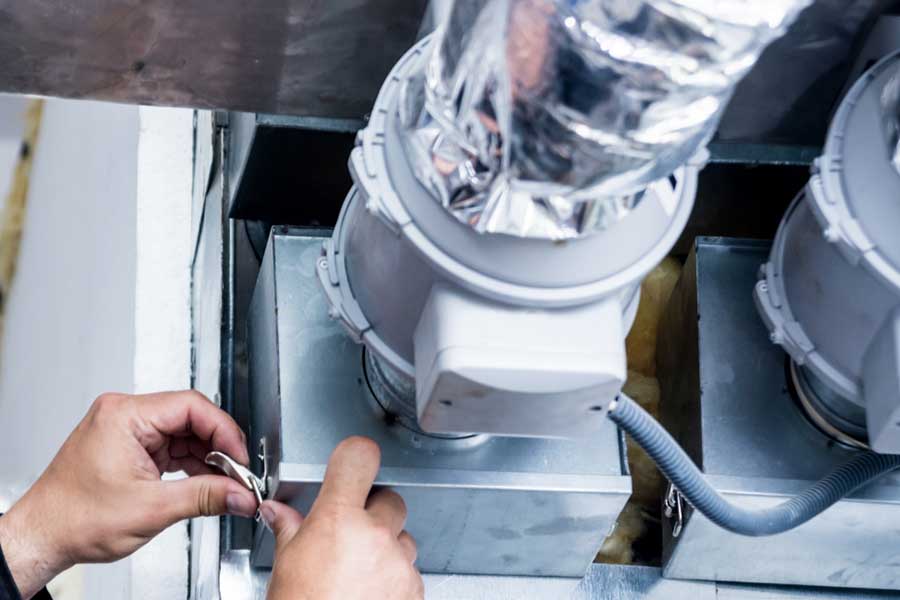
How to Choose the Right Ventilation System for Your Business
Choosing the right ventilation system starts with your specific needs. Consider the size of your space, the type of activities you host, and your typical number of occupants. A restaurant with a full kitchen has very different requirements from a clothing boutique.
Energy efficiency is another key factor. A system that balances performance with energy savings can lower your long-term operating costs. Finally, the system must meet local codes. Consulting with the HVAC professionals at Spurk AC, Furnace & Boiler Repair gives you clear, no-pressure guidance for your situation.
Clearing the Air for Sewickley Businesses
Proper ventilation keeps your customers comfortable, your staff safe, and your business compliant. Spurk AC, Furnace & Boiler Repair helps restaurant and retail owners across Sewickley design, maintain, and repair the systems that keep their spaces fresh and inviting. When you’re ready to review your setup, contact our team today.