

Carbon monoxide is a colorless, odorless gas produced when fuel burns, and it directly harms indoor air quality by replacing the oxygen your body needs. In Cranberry Township homes, the most common sources are aging furnaces, boilers, and gas appliances that are not maintained or vented properly, which is why regular inspection matters.
What Causes Carbon Monoxide in a Home?
Carbon monoxide can enter a Cranberry Township home from several common household sources. Unvented kerosene or gas space heaters, leaking chimneys or furnace flues, and back drafting from furnaces, water heaters, wood stoves, or fireplaces are among the most frequent causes identified by federal air quality researchers. Gas stoves can also contribute when ventilation is poor. Over time, appliances that power a home’s heating and cooking systems wear down or drift out of proper adjustment, and once that happens, the risk of a CO leak rises. Working in homes across Cranberry Township, especially older properties along the Route 19 corridor, we routinely find furnaces and boilers that have gone years without a full inspection, which is exactly the gap that leads to a CO problem. If it has been a while since your system was checked, furnace repair in Cranberry Township is one of the fastest ways to rule out a leak.
How Does Carbon Monoxide Affect Indoor Air Quality?
Once carbon monoxide enters a home’s airflow, its molecules take the place of the oxygen molecules your body relies on. Breathing air with elevated CO levels reduces how much oxygen actually reaches your bloodstream, and at high enough concentrations or with prolonged exposure, this leads to carbon monoxide poisoning, which can be fatal. Because CO has no color and no smell, a homeowner often has no warning sign beyond a working detector or symptoms like headache, dizziness, and fatigue, which is part of why it’s considered one of the more serious indoor air quality threats a home can face.
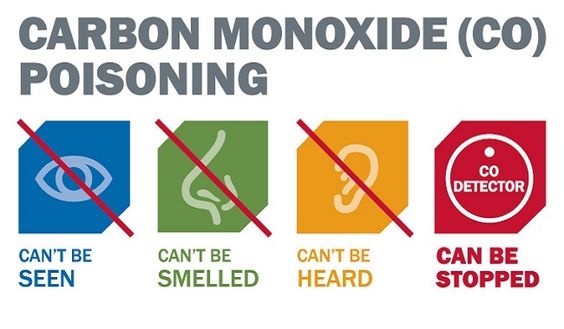
What Causes Carbon Monoxide Poisoning?
There are many ways to be exposed to carbon monoxide, but in a typical home setting, you can be exposed to carbon monoxide through big appliances such as your furnaces, boilers, and more.
The EPA (The United States Environmental Protection Agency) explains that sources of CO include:
- unvented kerosene and gas space heaters
- leaking chimneys and furnaces
- back-drafting from furnaces, gas water heaters, wood stoves, and fireplaces
- gas stoves
Over time, in-home appliances get worn down or do not operate properly. Without proper care, this can cause real problems and impact the air quality of your home.
Keeping Cranberry Township Homes Safe from Carbon Monoxide
Regular professional maintenance on a home’s larger fuel burning appliances is the most reliable way to prevent a CO problem before it starts. A trained technician checks combustion, venting, and the condition of the heat exchanger during a furnace or boiler maintenance visit, catching the kind of wear that leads to a leak long before it becomes dangerous. Cranberry Township sees genuinely cold winters, and homes here run their furnaces and boilers hard for months at a stretch, especially in the newer developments off Freedom Road and around North Boundary Park, which makes an annual check even more important than it might be in a milder climate.
Improving Indoor Air Quality Beyond Carbon Monoxide
Preventing a CO leak is only part of protecting a home’s air. Comprehensive indoor air quality solutions address broader pollutants, humidity, and ventilation issues that can affect a family’s health alongside combustion byproducts like carbon monoxide. For homes dealing with dust, allergens, or general air quality concerns on top of appliance safety, a whole house air purifier installation can filter out pollutants that a CO detector alone will never catch, giving a home cleaner air on every level, not just protection from a single gas.

Protecting Cranberry Township Families from Carbon Monoxide
Spurk AC, Furnace & Boiler Repair has served Cranberry Township homeowners since 2018, helping keep furnaces, boilers, and gas appliances running safely. We are an American Standard Customer Care Dealer and a Mitsubishi Diamond Contractor, and our licensed, insured technicians service all makes and models. If it has been more than a year since your system was inspected, or if something feels off with your heating equipment, we’re glad to schedule a carbon monoxide safety inspection today.
Frequently Asked Questions About Carbon Monoxide and Indoor Air Quality
What are the symptoms of carbon monoxide poisoning?
Early carbon monoxide poisoning symptoms include headache, dizziness, weakness, nausea, and confusion, which are easy to mistake for the flu or general fatigue. As exposure continues, symptoms can worsen to loss of consciousness, and prolonged high level exposure can be fatal, which is why a working CO detector is essential in every home.
What household appliances can leak carbon monoxide?
Furnaces, boilers, gas water heaters, wood stoves, fireplaces, and gas stoves can all leak carbon monoxide when they are not properly vented or maintained. Unvented kerosene and gas space heaters carry a similar risk, and any appliance that burns fuel deserves regular professional attention to stay safe.
How often should a furnace be serviced to prevent carbon monoxide leaks?
A furnace should be professionally serviced at least once a year, ideally before the heating season starts. That visit typically includes checking the heat exchanger, venting, and combustion, since wear in any of these areas is a common way a furnace begins producing carbon monoxide.
Can carbon monoxide affect indoor air quality even without an appliance malfunction?
Yes, even a properly functioning appliance can contribute to indoor air quality issues if a home’s ventilation is poor or if flues and chimneys are partially blocked. Backdrafting can pull combustion gases into living spaces even when the appliance itself is working correctly, which is why venting matters as much as the equipment.
Do I need a carbon monoxide detector if I have a gas furnace?
Yes, a carbon monoxide detector is essential in any home with a gas furnace, boiler, water heater, or other fuel burning appliance. Detectors provide an early warning that human senses cannot, since carbon monoxide has no color or smell, and placing one on every level of the home is standard safety practice.