
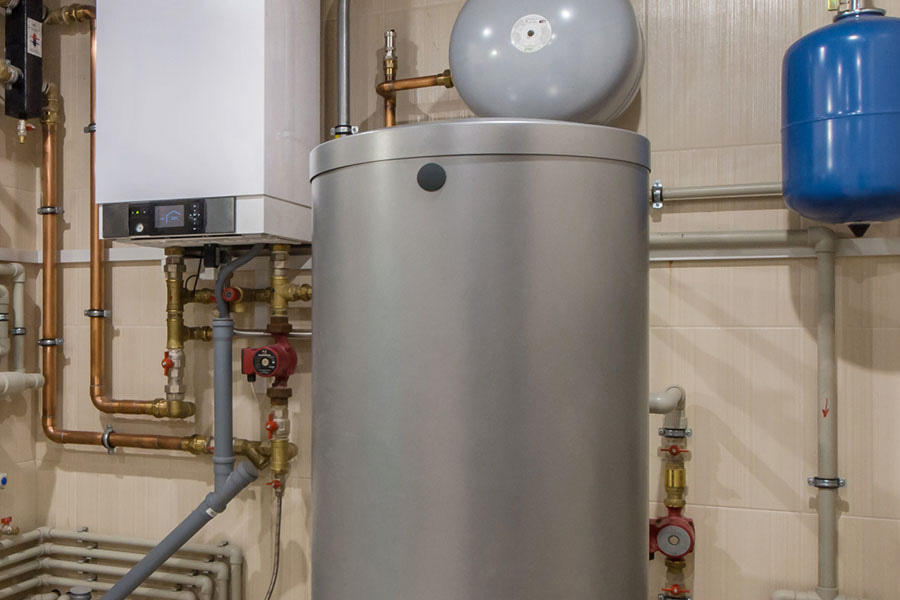
A boiler that is running but failing to heat the home adequately is a frustrating and often puzzling situation for homeowners. The system appears to be operating, the pilot light or ignition is active, and yet certain rooms or zones are not reaching the temperature the thermostat is calling for. In Cranberry Township, where winters along the Route 228 corridor can arrive quickly and drop temperatures well below freezing for extended periods, a boiler that is underperforming is not a problem that can wait for a convenient service window.
In our service calls throughout Cranberry Township and the surrounding Butler County communities, boiler heating problems surface in consistent patterns across different equipment types, ages, and configurations. Whether the system uses hot water or steam distribution, gas or oil firing, or serves a single zone or multiple independently controlled areas of the home, the root causes of inadequate heat output tend to fall into a handful of categories that a qualified technician can identify and address through a systematic diagnostic process.
Understanding which of the five most common causes applies to a given situation is the first step toward resolving it effectively and restoring reliable heat before the season deepens.
- Trapped Air in the Hydronic Distribution System
In a hot water boiler system, heat is distributed through the home via water that circulates through pipes and radiators or radiant floor circuits. Air that becomes trapped in that distribution system occupies space that should be filled with water, creating pockets where circulation stops and heat delivery fails. Radiators or zones with trapped air feel cold or only partially warm at the top while the bottom of the radiator may still be receiving some heat, because air rises to the highest point in the circuit and blocks water circulation above it.
Air enters hydronic systems through several pathways. Water that is introduced into the system during makeup water events carries dissolved oxygen that comes out of solution as the water heats. Repairs or modifications to the piping system that exposed the circuit to air can leave pockets that were not fully purged. Over time, even a well-sealed system can accumulate air through normal processes that, without a functioning automatic air eliminator, requires periodic manual purging to address.
Bleeding air from a hydronic system is a systematic process that requires knowledge of the system’s layout and the correct sequence for purging each zone. A technician performing boiler repair will identify which zones or radiators are air-bound, bleed them in the correct order, and verify that circulation has been restored to every part of the system. In systems where air accumulation recurs frequently, evaluating the makeup water rate and the condition of the automatic air eliminators identifies the source of the ongoing air introduction and addresses it at the root rather than managing the symptom repeatedly.
- A Failing or Underperforming Circulator Pump
Hot water boiler systems depend on one or more circulator pumps to move heated water from the boiler through the distribution piping and back again. When a circulator pump fails or its performance degrades due to bearing wear, impeller damage, or electrical problems, the water circulation rate through the system drops below what the heating load requires. The boiler may be producing adequately heated water, but that water is not moving through the distribution system at the rate needed to transfer its heat to the living spaces.
The symptoms of a circulator pump problem vary depending on whether the pump has failed completely or is operating at reduced capacity. A pump that has seized entirely produces no heat delivery in the zone it serves, which may present as a single zone that is completely cold while the rest of the system functions normally in a multi-zone installation. A pump that is operating at reduced flow rate produces heat delivery that is slower than normal, leaving the home consistently a few degrees below the thermostat set point even after extended run time.
In Cranberry Township homes where boiler systems have been in service for ten or more years without professional attention, circulator pump wear is one of the most common findings during a heating season diagnostic visit. The seasonal demand pattern of a boiler system, which may sit largely idle through the summer and then be asked to run continuously during the coldest weeks of a western Pennsylvania winter, is a pattern that stresses pump bearings and seals in ways that manifest as performance degradation at the beginning of each heating season.
A technician can assess circulator pump performance through flow rate measurement and electrical testing, confirm whether the pump is operating within its design parameters, and recommend repair or replacement based on the findings and the age of the equipment.
- Scale and Sediment Accumulation in the Heat Exchanger
The boiler’s heat exchanger is the component where combustion heat is transferred to the water in the distribution system. When the water-side surfaces of the heat exchanger accumulate mineral scale deposits from hard water, or when corrosion products and sediment from the distribution piping collect in the boiler sections, the heat transfer efficiency of the unit is reduced. The boiler consumes the same amount of fuel but delivers less usable heat to the distribution system because the scale layer between the combustion side and the water side insulates against efficient heat transfer.
In Cranberry Township, where the regional water supply carries meaningful dissolved mineral content, scale accumulation in boiler heat exchangers is an accelerated process compared to areas with softer water. Systems that do not have water treatment in place and that have been in service for many years without chemical cleaning or descaling are particularly susceptible to significant heat exchanger fouling.
Beyond the efficiency impact, scale accumulation concentrates heat in localized areas of the heat exchanger where the scale is thickest, which can cause overheating of the metal surfaces and accelerate deterioration of the heat exchanger itself. Addressing scale accumulation through professional cleaning and implementing a water treatment program to slow future accumulation is the appropriate response to this finding. In boiler systems where scale accumulation has progressed to the point of significant heat exchanger damage, the conversation shifts to whether the unit can be rehabilitated through cleaning or whether boiler replacement is the more reliable and economical path forward.
- Gas Valve, Ignition, or Burner Problems
A boiler that fires intermittently, fails to maintain a consistent flame, or does not reach its operating temperature within a normal time frame after a heat call may have a problem with the gas train, ignition system, or burner assembly. These components work together to produce the consistent, controlled combustion that heats the water in the system. When any one of them is degraded or failing, the combustion process becomes irregular, and the boiler’s heat output drops below what the distribution system needs to maintain comfort in the home.
A gas valve that is not opening fully due to internal wear or dirt accumulation reduces the gas supply to the burner, producing a flame that is smaller than designed and a heat output that is proportionally reduced. An ignition system that is slow to light or that requires multiple attempts produces delayed heat delivery at the start of each heat call and places stress on the igniter components themselves. Burner heads that are fouled with combustion residue or dirt produce incomplete combustion, which reduces heat output, increases carbon monoxide production, and can produce the yellow or orange flame coloration that indicates the combustion process is not occurring as designed.
These are findings that a qualified technician identifies during a systematic combustion analysis that measures flame characteristics, gas pressure at the manifold, and flue gas composition. Annual boiler maintenance that includes cleaning and inspecting the burner assembly, testing gas train components, and verifying ignition system performance is the most reliable approach to catching these conditions before they produce a mid-season heating failure. In Cranberry Township homes where the boiler has not been professionally serviced in multiple seasons, combustion-related findings are among the most consistent results of a first thorough inspection.
- Zone Control Failures Affecting Specific Areas of the Home
Multi-zone boiler systems divide the home into independently controlled heating circuits, each with its own thermostat, zone valve or circulator, and set point. This configuration allows different areas of the home to be maintained at different temperatures, which is one of the more significant practical advantages hydronic heating systems offer over forced-air alternatives. When a zone control component fails, the zone it serves stops receiving heat independently of what the rest of the system is doing.
Zone valves are the most common single point of failure in a zoned hydronic system. These motorized valves open when their zone’s thermostat calls for heat and close when the set point is reached, directing water circulation into and out of that zone’s circuit. A zone valve that has seized in the closed position blocks all water flow to that zone regardless of what the thermostat requests. A valve that has seized partially open allows some circulation but not enough to meet the zone’s heating load. A valve whose end switch has failed may not signal the boiler to fire even when the valve is open, leaving the zone circulating water that is not being reheated at the boiler.
Thermostat problems in a multi-zone system can mimic zone valve failures because the two components are part of the same control loop. A thermostat that is not calling for heat when it should, whether due to a dead battery, a calibration drift, a wiring fault, or a failed sensing element, produces the same symptom as a zone valve that is not opening: a zone that is not heating. A technician diagnosing a zone that is not heating will evaluate both the thermostat and the zone valve, as well as the wiring between them, to identify which component has failed and address it directly.
Getting Your Cranberry Township Home Heating System Back on Track
Each of the five causes described in this article is identifiable through a systematic diagnostic process and addressable through targeted professional repair. What they share is that none of them improve on their own, and all of them are more straightforward and less expensive to resolve when they are caught early rather than after the problem has been allowed to worsen through weeks of inadequate heating performance.
At Spurk HVAC, we have been diagnosing and servicing boiler systems in Cranberry Township and across the Butler County corridor for over 20 years. Our licensed technicians approach every boiler diagnostic call with a systematic evaluation of combustion performance, distribution system function, and zone controls, and we explain our findings clearly before any work begins. To schedule a boiler diagnostic visit or discuss a heating concern with your current system, contact our team today and let us restore reliable heat to your home before the season demands it.