
Low water pressure in a Pittsburgh home usually traces back to one of five causes, pipe leaks, aging or corroded plumbing, a faulty pressure regulator, clogged fixtures, or municipal supply issues. Identifying which cause applies to your home is the first step toward a lasting fix rather than a temporary workaround.
Low water pressure is one of those problems that starts as a minor annoyance and gradually becomes a daily frustration. A weak shower, a faucet that trickles, or a sink that takes forever to fill can all point to something going on beneath the surface of your home’s plumbing. For homeowners across Pittsburgh, from neighborhoods like Shadyside and Squirrel Hill to older properties in the North Side, the causes tend to fall into a handful of recurring categories. Our team provides AC repair services in Pittsburgh along with water heater and plumbing services, and we can help diagnose the root cause accurately before recommending a fix.
Common Plumbing Issues Causing Low Water Pressure
Several internal plumbing conditions can quietly chip away at water pressure over time. In our service calls throughout Pittsburgh, these are the issues we encounter most often.
- Pipe leaks. Even minor leaks divert water away from where it needs to go, causing a measurable drop in pressure throughout the home.
- Aging or corroded pipes. Older Pittsburgh homes with galvanized steel plumbing are particularly vulnerable. As pipes corrode from the inside, their internal diameters narrow, reducing flow.
- Faulty pressure regulator. A malfunctioning regulator can cause pressure to fluctuate unpredictably or drop below an acceptable range.
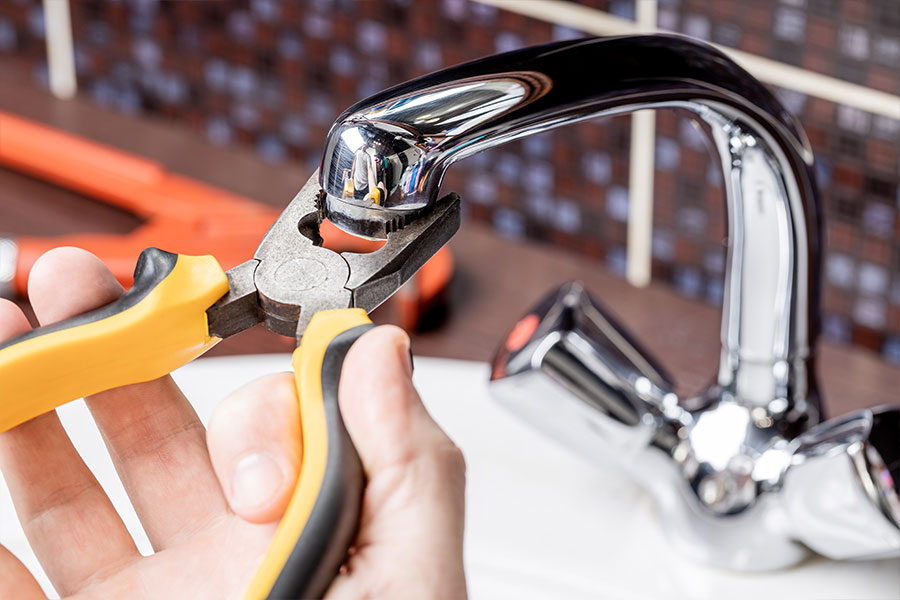
- Clogged aerators and showerheads. Mineral deposits build up over time and restrict flow at the fixture level, which is sometimes mistaken for a whole house pressure problem.
Each of these conditions requires a different approach to correct. A professional inspection is the most reliable way to identify which issue, or combination of issues, is responsible.
What Should Pittsburgh Homeowners Know About Sediment Buildup in Pipes?
Sediment accumulation is a slow moving problem that often goes unnoticed until the pressure drop becomes significant. Over time, minerals in the water supply settle inside pipes and water heating equipment, gradually narrowing the passages through which water flows. This is especially common in older homes where pipes have had decades to accumulate buildup, in properties with hard water where mineral content is higher, and in water heaters that haven’t been flushed regularly as part of a maintenance schedule.
The symptoms are fairly consistent. Homeowners typically notice reduced flow at multiple fixtures, not just one, and the drop tends to worsen gradually rather than appearing suddenly. Working in homes across Pittsburgh’s older residential corridors, we frequently find that sediment buildup inside the water heater is a contributing factor that gets overlooked. A water heater repair visit that includes flushing the tank is one of the more straightforward ways to protect both pressure and equipment longevity. If buildup has advanced significantly, a professional assessment will clarify whether flushing is sufficient or whether a more involved solution is needed.
How Do Water Leaks Affect Your Home’s Water Pressure?
A leak does not have to be visible to affect water pressure. Hidden leaks inside walls, under floors, or along the main supply line divert water before it ever reaches your fixtures, resulting in reduced pressure throughout the home. Leaks typically make themselves known through a few consistent signs, an unexplained increase in your water bill without any change in usage habits, weak or inconsistent pressure at multiple fixtures simultaneously, water stains or soft spots in drywall suggesting moisture accumulation behind surfaces, and the sound of running water when all fixtures are turned off.
Beyond the pressure impact, undetected leaks cause ongoing structural damage. Moisture intrusion leads to mold growth, deterioration of building materials, and eventually more expensive remediation work. Licensed technicians can accurately locate and diagnose leaks using proper diagnostic tools, which is far more reliable than a visual inspection alone, and addressing leaks promptly protects both your water pressure and your home’s broader integrity.
The Impact of Municipal Water Supply Problems
Not every water pressure issue originates inside the home. Pittsburgh’s water infrastructure, like that of many older American cities, includes aging pipes and distribution systems that can introduce pressure variability at the neighborhood level. Three municipal factors are worth understanding. Aging infrastructure means deteriorating municipal pipes can develop leaks or partial blockages, reducing pressure before water ever reaches the property line. Peak demand periods, particularly during hot summers along the Monongahela and Allegheny river valleys, can cause measurable pressure drops across entire service areas as citywide demand rises. Safety related pressure reductions can also occur when contamination concerns arise, since municipalities may intentionally reduce line pressure as a precautionary measure.
If pressure issues in your home correspond with neighborhood wide complaints or follow a seasonal pattern, a municipal cause is worth investigating with your local water authority. If the problem appears isolated to your property instead, an internal cause is the more likely explanation.
Solutions to Restore Your Water Pressure in Pittsburgh
Restoring water pressure depends entirely on the cause, and there is no single fix that works in every situation, which is why a proper diagnosis matters before any work begins. The most common solutions, matched to their underlying cause, include leak detection and repair, pressure regulator replacement, water heater flushing to remove sediment, pipe replacement for homes with severely corroded or undersized plumbing, pressure booster installation when incoming supply pressure is inherently low, and simple fixture cleaning for localized buildup at aerators and showerheads.
If aging equipment is contributing to the problem, our water heater replacement and installation services are available to Pittsburgh homeowners dealing with pressure and performance issues tied to an older unit.
Protecting Your Pittsburgh Home’s Plumbing Long-Term
Low water pressure is rarely something that resolves on its own. Whether the cause is internal plumbing, aging equipment, or municipal supply issues, the underlying condition typically progresses without intervention. Routine inspections are one of the most practical ways to stay ahead of these problems, since catching a developing leak, a corroding pipe, or sediment accumulation early significantly reduces the cost and complexity of the repair.
Homes old enough to have galvanized plumbing often have aging heating equipment as well, so if you’re already looking into your home’s pipes, it can be worth having your furnace checked at the same time. Our furnace repair team in Pittsburgh can take a look while you’re addressing plumbing concerns.
Spurk AC, Furnace & Boiler Repair brings more than 20 years of experience to residential service calls across the Pittsburgh area. We diagnose accurately, explain clearly, and complete every job with respect for your home and your time. If your home has been struggling with low water pressure, contact our team today to schedule an assessment and get to the bottom of the issue.
Frequently Asked Questions
Why is my water pressure suddenly low?
A sudden drop in water pressure usually points to a new leak, a failed pressure regulator, or a municipal supply issue rather than gradual sediment buildup. A professional inspection can quickly narrow down which of these is responsible.
Can low water pressure damage my plumbing?
Low water pressure itself doesn’t usually cause damage, but the underlying causes, like corroded pipes or hidden leaks, can lead to more serious problems over time if left unaddressed. Diagnosing the root cause protects both your pressure and your plumbing system.
How do I know if my water heater is causing low pressure?
Sediment buildup inside a water heater tank restricts flow and can reduce pressure, especially for hot water. If pressure drops mainly on the hot water side, or your water heater is several years old and hasn’t been flushed recently, it’s a likely contributor.
Is low water pressure covered by homeowners insurance?
Low water pressure itself typically isn’t covered, but damage caused by a hidden leak, such as water damage or mold, may be covered depending on your policy. Check with your insurance provider about coverage specifics for your situation.
How much does it cost to fix low water pressure?
Cost depends entirely on the cause, ranging from a simple fixture cleaning to a pressure regulator replacement or more involved pipe repair. A professional diagnosis is the best way to get an accurate estimate for your specific situation.