

A boiler heats a Pittsburgh home by warming water or generating steam in a central unit, then circulating that heat through pipes to radiators or baseboards throughout the house. It’s one of the most reliable heating systems for our region’s cold winters. For homeowners researching how boilers work in Pittsburgh homes, the basics come down to four simple components working together, and understanding them helps you spot problems early.
What Is a Boiler and How Does It Heat a Pittsburgh Home
A boiler is a type of central heating system that uses hot water or steam, rather than heated air, to warm a building. It can run on gas, oil, propane, or electricity, depending on what’s available and most cost effective for the home. Boilers have a reputation for being efficient and dependable, and with consistent care, a boiler can heat a home for many years while keeping energy costs manageable. In our service calls throughout Pittsburgh, from older homes near Squirrel Hill with original radiator systems still in place to newer builds in the North Hills, we see boilers holding up well decade after decade when they’re properly maintained, and when a replacement is due, boiler installation is usually a straightforward job for our team.
How Do Boilers Work?

A boiler heating system relies on four main components working together. The boiler itself is the central unit, powered by a fuel source, and it’s where water is heated or steam is generated. Pipes carry that heated water or steam from the boiler to heat exchangers placed throughout the house. The heat exchangers, often radiators or baseboard units, release that warmth into each room. Controls, including thermostats, pressure valves, and circulator pumps, regulate the temperature and flow so the whole system runs safely and efficiently. When one of these components starts to fail, a homeowner usually notices uneven heating, strange noises, or a spike in the utility bill well before a full breakdown happens, which is exactly when it’s worth having a technician take a look.
Why Boilers Are a Great Fit for Pittsburgh Winters

A boiler makes sense for a lot of Pittsburgh homes, and there are a few clear reasons why. Winters here can turn harsh fast, especially when a cold front rolls down off Lake Erie and settles over the region, and a boiler holds up reliably through that kind of sustained cold. Because boilers heat water or steam rather than air, they tend to deliver steadier, more even warmth through a house during long cold stretches than some forced air systems manage. Pennsylvania is also the second largest natural gas producer in the country, behind only Texas, which keeps fuel readily available and helps make a gas fired boiler a practical, cost effective choice for heating a Pittsburgh home through the winter.
How Often Should a Boiler Be Serviced?
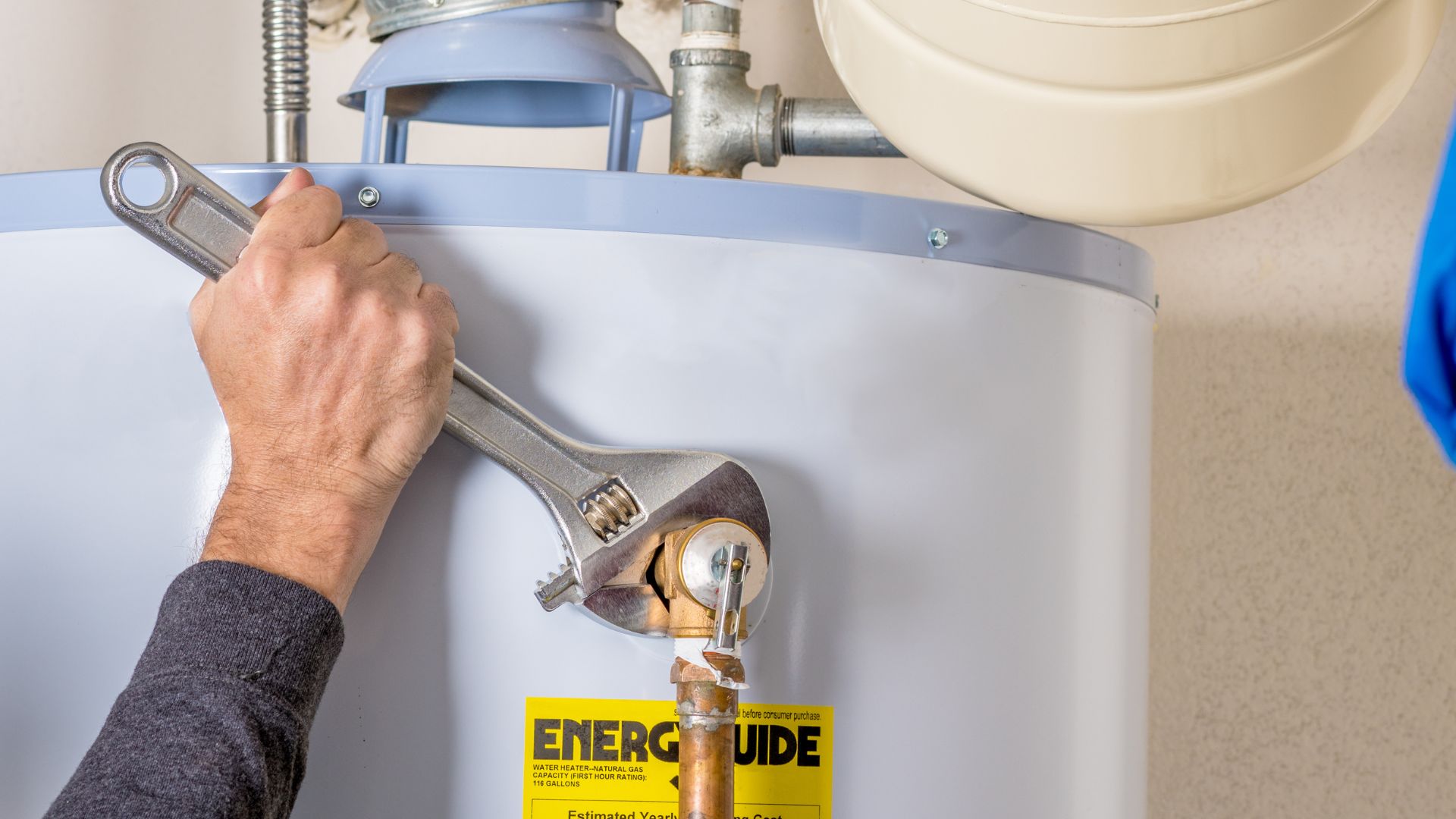
A boiler should be professionally serviced once or twice a year to stay safe and efficient. During a service visit, a technician inspects the key components, including the heating elements, burners, and controls, to confirm everything is working as it should. The technician also cleans the interior and exterior of the unit to clear away dirt and debris that can affect performance, and tests the pressure gauge and safety valves to make sure the system is operating within safe limits. Skipping this kind of boiler maintenance is one of the most common reasons we get called out for a boiler that’s underperforming or breaking down earlier than it should.
For homeowners who want that maintenance handled automatically, we offer a Comfort Club Membership starting at fifteen dollars a month that keeps your boiler on a consistent, professional service schedule. You can view more details about our seasonal maintenance plan options at any time.
What Are Signs a Boiler Needs Repair
A few warning signs tend to show up before a boiler fails completely. Uneven heat from room to room, a boiler that cycles on and off more than usual, unusual banging or whistling sounds, or a noticeable jump in the gas or electric bill are all reasons to have the system checked. Catching these signs early with professional boiler repair usually costs far less than waiting until the system fails on the coldest night of the year.
Keeping Pittsburgh Homes Warm With a Well Maintained Boiler
Boilers remain one of the most reliable ways to heat a home through a Pittsburgh winter, especially when they’re installed correctly and kept on a regular service schedule. A well maintained boiler runs efficiently, keeps energy bills in check, and can heat a home for decades without major issues. Since 2018, Spurk AC, Furnace & Boiler Repair has worked on boiler systems throughout the Pittsburgh area, and if your system is overdue for a checkup or acting up, we’re glad to schedule your boiler inspection today.
Frequently Asked Questions About Boilers in Pittsburgh
How long does a boiler last?
A well maintained boiler typically lasts fifteen to twenty years, and some systems run even longer with consistent professional service. Regular inspections and cleaning are the biggest factors in reaching the higher end of that range, since a neglected boiler tends to develop problems well before its expected lifespan runs out.
How often should a boiler be serviced?
A boiler should be serviced once or twice a year, ideally before the heating season begins. That service should include inspecting the burners and controls, testing safety valves and pressure gauges, and cleaning the system to remove dirt and debris that can reduce efficiency over time.
Are boilers a good fit for older Pittsburgh homes?
Yes, boilers work especially well in many of Pittsburgh’s older homes, since a large number were originally built with radiator systems already in place. Upgrading an existing boiler is often more straightforward than converting a home to forced air, and it preserves the steady, even heat these homes were designed around.
What is the difference between a boiler and a furnace?
A boiler heats water or generates steam and distributes that heat through pipes and radiators, while a furnace heats air and pushes it through ductwork with a blower. Both can heat a home effectively, but the choice often comes down to the home’s existing setup and personal comfort preference.
How much does boiler repair cost?
Boiler repair costs vary widely depending on the issue, ranging from a minor valve or thermostat fix to a more involved repair on the heat exchanger or burner assembly. The best way to get an accurate number is a professional inspection, since guessing at a price without seeing the system rarely holds up.